
Hello Abroad
This Weblog is for Foreingers
Hello Abroad
This Weblog is for Foreingersدرباره من
 از اونهام که می گم آدم بایست حرف خودشو بزنه، اما یاد گرفتم که هر حرفی رو تو جاش بزنم، اینجا، هرچی می خوام رو می گم
ادامه...
از اونهام که می گم آدم بایست حرف خودشو بزنه، اما یاد گرفتم که هر حرفی رو تو جاش بزنم، اینجا، هرچی می خوام رو می گم
ادامه...
ابزارهای جاسوسی اسرائیل
اسناد بازیابی شده لانه جاسوسی نشان میدهد که ماموران امریکایی
با شناسایی اشخاص مستعد و با قابلیت خدمت به امریکا در ساختار حکومتی، به
ارتقاء جایگاه آنها کمک می کرده اند تا با استفاده از آنها، عملکرد مجموعه
تحت امر را در مسیر منافع امریکا هدایت کنند. از سوی دیگر، آنها با
شناسایی نیروهای خادم باهوش و فرهیخته در خدمت ایران، دست نیروهای مستعد را
از رسیدن به مراکز حکومتی کوتاه میکرده اند و هر کسی را به نوعی سعی
میکردند گمراه کنند. بخش اعظمی از اسناد جاسوسی آمریکا در صحرای طبس توسط
بنی صدر (رئیس جمهور مخلوع ایران در اوایل انقلاب) نابود شده است و این
گواه از امتداد تحرکات آنها دارد.
این مورد خیلی عام تر از چالش گذاری ها در مسیر مسائل حیاتی مثل جریان آب و فاضلاب کشور بود.
هرکسی به نحوی
اگر
کسی داشت در زمینه تولید خوراکی وارد میشد او را در تولید شکلات بی کیفیت
(آب شکر با طعم و رنگ جذاب) که قابلیت رقابت با سایرین نداشته نباشد سوق
میدادند. میدیدی طرف، کلی شکلات تولید میکرد که در بهترین حالت فقط
بتواند آن را دسته بندی کند، ولی حتی خودش نتواند و نخواهد که آن را بخورد.
آمریکایی
ها از سال 1330، در تحریم آنچه که نیاز کشور را برآورده میکرد، واضح بود
چنان گران و غیرقابل دسترس کرده بودند که یکی در حد اینکه بگوییم سرش کلاه
رفته است همه زندگیش را باید میگذاشت تا جنس مورد نیاز کشور را بخرد.
در
نتیجه اعمال این تغییرات در مسیر حکومت، هرکس که دلسوز و خادم بود به نحوی
با یک حرکت در مسیر به سمت فقر سوق داده شده و طوری زمین گیر میشد که در
همان یک نقطه داستان حضورش در جامعه خاتمه پیدا کند.
کشاورزی و منابع طبیعی ایران در اولویت جاسوسی
با
مطالعه اسناد لانه جاسوسی که امروز کتاب است و سایر مکتوبات که خود اعضای
سازمان جاسوسی منتشر میکنند، میتوان ضمن پی بردن به مشخصات یک وزیر تراز
سیا برای خدمت به امریکا، از دغدغهها و دیدگاههای مطلوب امریکا در قبال
کشاورزی ایران مطلع شد.
کشاورزی و منابع طبیعی ایران از پر
اهمیتترین بخشهای تحت رصد جاسوسان و گزارشگران آمریکایی مستقر در سفارت
این کشور در تهران بوده، اما در عین حال، مطلوبترین اشخاص برای قرار گرفتن
در راس این بخش مهم اقتصادی، یا باید از سطحیترین افراد با شخصیتی اهل
نمایش یک نفره (توصیف کارشناس امریکایی در اسناد) باشند و یا در صورت
توانمندی، میبایست بیش از ایرانی بودن، وفادار به امریکا و جاسوس باشند.
نمونه
ای در اسناد با روحیه نسبتا پررنگ ملی گرایی موجود، بر حس امریکا دوستی و
یا اطمینان از وفاداری آنها تمرکز دارد که در همان سطرهای نخست اطلاعات
بیوگرافیک آنها (با عبارات تقریبا مشابه) قابل مشاهده است:
گزارش احمدی 1
زمان و مکان: ۴ ژانویه ۱۹۶۸ _ ۱۴ دی ۱۳۴۶ _ دفتر کار در محل اقامت سفیر
مذاکره کنندگان: دکتر احمد احمدی، معاون وزارت منابع طبیعی با ویلیام هلسث، دبیر اول سفارت
موضوع: ملاقات با شاه و انتصاب احمدی
بعدازظهر
روز ۴ ژانویه، احمدی به عنوان معاونت وزیر در امور پارلمانی و معاونت حیات
وحش و آبزیان وزارت جدیدالتأسیس منابع طبیعی به حضور شاه معرفی شد. وی گفت
وزارت فقط چهار معاون خواهد داشت و در حال حاضر سه تن از آنها تعیین شده
اند. همسر احمدی با حالت شوخی گفت که "شوهرش معاون حیوانات وحشی شده است".
احمدی
از فارغ التحصیلان کرنل است. به نظر میرسد مردی بی تکبر و چهل ساله باشد.
دو دختر دارد، که یکی کلاس ششم و دیگری کلاس چهارم است. استیو استفانید او
را به خوبی میشناسد، و با ارسال یادداشت، از استیو خواسته شده است
اطلاعات مفید خود درباره احمدی، منجمله ارزیابی از کارکردهای این شخص،
بخصوص در شغل جدیدش را به ما بدهد.
جاسوسان گماشته دشمن در دولت ایران
دربار
ایران، هرگاه میخواستند سفرای آمریکا و انگلیس را از نکتهای مطلع کرده و
یا از موضوعی گلایه کنند، یکی از مقامات مشهورتر به خبرچینی را به کاخ
دعوت و در حضور او موضوع را مطرح میکردند و اطمینان داشتند که بدون اینکه
مستقیما از آن وزیر یا مقام بخواهند، او بلافاصله موضوع را به سفارت مورد
نظر منتقل خواهد کرد.
در یادداشتهای اسدالله علَم، وزیر دربار
محمدرضا شاه پهلوی، نیز چند بار به این امر اشاره و ابراز ناخرسندی شده که
البته گلایهها در مورد مراجعه مقامات به سفارت امریکاست و مشهور است که
زحمت اطلاع رسانی به سفیر انگلیس بر عهده خودش بود و همانگونه در یادداشت
هایش پیداست، کمتر اتهامی در این زمینه به سفارت انگلیس وارد میکند.
شاید از نظر برخی بازگو کردن این مطالب مربوط به گذشته باشد، در حالیکه اینطور نیست.
آنها
که کامپیوترهای شخصی را در این سطح روانه بازارهای جهانی کردند از سی سال
قبل با پیچیدگی حضور در سطح بین الملل و اشباع کاربران رایانه های شخصی از
اطلاعات آگاهی داشتند. همانطور که برای جنگ دوازده روزه آمریکا با ایران
(از 23 خرداد 1404) ۲۲ سال تمرین داشتند. همانطور که برای این جنگ، اسرائیل
۳۵ سال در حال برنامهریزی بوده است.
در همان سالهای دهه چهل
شمسی نیز فقط اینطور نبوده است که اگر شاه ایران میخواست خبری به آمریکا یا
انگلیس بدهد حتما در حضور جاسوس آنها قبلاً صورت گرفته باشد. در همان
سالها آنها، ظریف، تمرین ابزارهای جاسوسی و کپی برداری را که قابل شناسایی
هم نباشند متناسب با محیط جاسوس تعریف میکردند که شناسایی هم نشود. برخی
از این ابزارها هنوز قابلیت استفاده دارند، بدون اینکه کسی نگران قیمت و
هزینه آنها پس از سالها جنگ و درگیری و تغییر نرخ ارز باشد. یعنی چند نسل
جامعه شاغل ایرانی تغییر کرده است و ابزار جاسوسی کاربردی هنوز همان جنس
شصت سال پیش است.
امروز، ابزارهای دیگر هم متناسب با شرایط طراحی میشوند، ولی قبلی ها هم خوب و باکیفیت بوده اند.
مثلا
در محیط تصفیه خانه آب و فاضلاب چیزی که در حد ستایش باید یافت شود سنگهای
درشت گرانول شده در ابعاد مختلف است. آنها این ابزارهای جاسوسی را متناسب
با شکل سنگها تعریف میکردند و هر سنگی با سنگ دیگر از نظر شکل ظاهری
متفاوت برای جاسوس، ولی از نظر هرکس دیگری مشابه با سایر سنگها بود.
اینطوری حتی اگر جاسوسی شخص لو برود آنچه که کپی برداری میکند بین سنگها گم
شده، تا روزی که خود جاسوس بخواهد آنها را خارج کند. اینطوری حتی اگر یکی
دو سنگ را بین سایر سنگها بعنوان سند پیدا کنیم هیچ اطمینان نداریم که سنگ
سوم و چهارم هم در کار بوده است یا خیر. ضمن اینکه باید درنظر داشت که
جاسوس شاغل به مکان قبل خود بازمیگردد و دست ما خالی از سند و دست او در
امور داخلی کشور است.
______________
The
recovered documents from the spy den show that American agents helped
to elevate the status of talented individuals who could serve America in
the government structure, using them to guide the performance of the
group under their command in the direction of American interests. On the
other hand, by identifying intelligent and educated servants in the
service of Iran, they prevented talented individuals from reaching
government centers and tried to mislead everyone in some way. A large
part of American spy documents were destroyed in the Tabas desert by
Bani Sadr (the deposed president of Iran at the beginning of the
revolution), and this is evidence of their continued activities.
This was much more common than challenges to vital issues such as the country's water and sewage system.
Anyone
who was involved in food production was somehow led to produce
low-quality chocolate (sugar water with an attractive taste and color)
that could not compete with others. You could see that the other side
was producing a lot of chocolate that at best he could only sort, but he
could not and did not want to eat.
Since 1330 (1950/3/22),
the Americans had clearly made what met the country's needs so expensive
and inaccessible by embargoing it that one, to the extent of saying
that he had been fooled, had to spend his whole life to buy the goods
the country needed.
As a result of these changes in the path
of government, anyone who was compassionate and helpful was somehow
pushed towards poverty with one move on the path and was so grounded
that his story of presence in society ended at that very point.
Iran's Agriculture and Natural Resources as a Priority for Espionage
By
studying the documents of the spy den, which are now books, and other
documents published by members of the spy organization themselves, one
can learn about the characteristics of a CIA-level minister to serve
America, as well as America's concerns and favorable views towards
Iranian agriculture.
Iran's agriculture and natural
resources have been among the most important sectors monitored by
American spies and reporters based at the country's embassy in Tehran,
but at the same time, the most desirable individuals to be at the helm
of this important economic sector must either be the most superficial
individuals with a one-man show personality (the description of the
American expert in the documents) or, if capable, must be more loyal to
America and a spy than being Iranian.
An example of the
relatively nationalistic spirit of the documents available focuses on
their sense of Americanism or assurance of loyalty, which can be seen in
the very first lines of their biographical information (in almost
identical terms):
Ahmadi Report 1
Time and Place: January 4, 1968 _ January 14, 1346_ Office at the Ambassador's Residence
Negotiators: Dr. Ahmad Ahmadi, Deputy Minister of Natural Resources with William Halseth, First Secretary of the Embassy
Subject: Meeting with the Shah and Ahmadi's Appointment
On
the afternoon of January 4, Ahmadi was introduced to the Shah as Deputy
Minister for Parliamentary Affairs and Deputy Minister for Wildlife and
Aquatic Life in the newly established Ministry of Natural Resources. He
said that the ministry would have only four deputies, and that three of
them had already been appointed. Ahmadi's wife jokingly said that "her
husband has become Deputy Minister for Wildlife."
Ahmadi is a
Cornell graduate. He appears to be a modest man of about forty. He has
two daughters, one in sixth grade and the other in fourth grade. Steve
Stephanid knows him well, and by sending a note, Steve has been asked to
give us useful information about Ahmadi, including an assessment of
this person's performance, especially in his new job.
Enemy spies in the Iranian government
Whenever
they wanted to inform the American and British ambassadors about
something or complain about an issue, they would invite one of the
officials known as informants to the palace and raise the issue in his
presence, confident that without directly asking that minister or
official, he would immediately transfer the issue to the embassy in
question.
In the notes of Asadollah Alam, the minister of
the court of Mohammad Reza Shah Pahlavi, this matter is also mentioned
several times and expressed dissatisfaction. Of course, the complaints
are about the officials' visits to the American embassy, and it is
known that it was his own responsibility to inform the British
ambassador, and as is evident in his notes, he rarely makes accusations
in this regard to the British embassy.
Some may think that recounting these matters is a thing of the past, but it is not.
Those
who launched personal computers to the global market at this level were
aware of the complexity of international presence and the saturation of
personal computer users with information thirty years ago. Just as they
had 22 years of practice for the 12-day war between the United States
and Iran (from 23 Khordad 1404). Just as Israel had been planning for
this war for 35 years.
In the same years of the 1340s, it
was not only the case that if the Shah of Iran wanted to give news to
the United States or England, it would have been done in the presence of
their spies. In those years, they, subtletly, were practicing spying and
copying tools that were not identifiable and suited to the spying
environment so that they would not be identified. Some of these tools
are still usable, without anyone worrying about their price and cost
after years of war and conflict and exchange rate changes. In other
words, several generations of Iranian working society have changed, and
practical spy tools are still the same as they were sixty years ago.
Today,
other tools are also designed to suit the conditions, but the previous
ones were also good and of high quality. For example, in the environment
of a water and sewage treatment plant, something that should be praised
is large granulated stones of different sizes. They defined these spy
tools according to the shape of the stones, and each stone was similar
to another stone in terms of appearance. The difference was for the spy,
but for everyone else it was the same as the other stones. In this way,
even if a person's espionage is exposed, what he copies is lost between
the stones, until the day the spy himself wants to take them out. In
this way, even if we find one or two stones among the other stones as
evidence, we have no certainty whether the third and fourth stones were
also in use. In addition, it should be kept in mind that the working spy
returns to his previous place and our hands are empty of the evidence
and his hands are in the internal affairs of the country.
نه شیر شتر، نه دیدار عرب
سمت کوه های هزار مسجد یک روستایی هست به اسم «شتر پا». در کنار این روستا مکانی هست به نام «عرب آباد». با توجه به عنوان میتوانید حدس بزنید که روی سخن به ضرب المثل نه شیر شتر میرود و این دو مکان هم عجیب به آن قرابت دارند.
این ضرب المثل میتوانست معنای باطنی داشته باشد، ولی مخصوصا بعد از جنگ ایران و عراق معنای ظاهری آن به کار برده شد. یعنی خوش به حال آنهایی که قبل از جنگ با هم وصلت کردند. پس از جنگ ایران و عراق از سال 59 ضرب المثل ها به شدت اقوام ایرانی را تخریب کردند.
نمونه آن را میتوان در همین مکان شترپا و عرب آباد یافت. یعنی در جایی که انتظار داری شتری ببینی که اسمش شتر پاست و روستای عرب آباد آن انتظار داری عربی ببینی، یافت نمیشوند.
حالا با توجه به آبادی ها میتوان تصور کرد که عربی که توانایی پرورش شتر داشته است آن مکان را با گله شترها آباد کرده است و نام روستای خود را عرب آباد گذاشته و منطقه کناری آن شده است شتر پا. امروزه، برعکس شده است. از روستای عرب آباد خبری نیست و به جای آن یک دامپروری بزرگ پرورش گاو زده اند و از شیر شتر خبری نیست. روستای کناری آن که شترپا هست از نام خود خجالت زده است و نمیداند که با جابجایی حروف چطور حقارت وجود شتر را در گذشته این روستا یدک بکشد. نهایتا گله ای گوسفند دارند، که شکر خدا امید دارند با ویلا شدن سرتاسر روستا همین یک گله هم دود شود.
این درحالیست که شیر شتر یکی از بهترین و مقوی ترین شیرهاست و اگر نوع دوکوهانه آن استفاده میشده است، الآن نسلش منقرض شده است. شتر دو کوهان تحمل دمای منفی سی درجه تا سی درجه را دارد، و مناسب آب و هوای سرد کوهستانی مشهد بوده است.
امروز نه خبری از دمای -30 تا +30 در این منطقه هست و افزایش دما داشته ایم و نه خبری از شتر!
طوری نسل امروز شتر را به اعراب و کویر ارتباط میدهد که در مخیله اش هم خطور نمیکند که روزگاری مشهد، توس و روستاهای اطراف کشفرود به پرورش شتر مشغول بوده اند و این ها سرما و برف و کولاک را تحمل میکرده اند و مناسب پرورش در این مناطق بوده اند.
______________________
Towards the mountains of Hezar Masjid there is a village called "Shotor Pa". Next to this village is a place called "Arab Abad". Given the title, you can guess that the proverb is referring to the proverb "No Camel Milk" and these two places are strangely related to it.
This proverb could have had an esoteric meaning, but especially after the Iran-Iraq war, its apparent meaning was used. That is, fortunate are those who married before the war. After the Iran-Iraq war in 1970, proverbs severely destroyed Iranian people.
An example of it can be found in the same place Shatar Pa and Arab Abad. That is, where you expect to see a camel whose name is Shotor Pa and the village of Arab Abad, you do not expect to see an Arab.
Now, considering the settlements, it can be imagined that an Arab who had the ability to raise camels populated that place with a herd of camels and named his village Arab Abad and the area next to it became Shatar Pa. Today, it is the opposite. There is no news about the village of Arababad, and instead of it, they have built a large cattle ranch and there is no news about camel milk. The village next to it, which is called "Camel Leg", is ashamed of its name and does not know how to carry the humiliation of the camel's existence in the past of this village by changing the letters. Finally, they have a flock of sheep, which, thank God, they hope that this flock will also disappear when the entire village becomes a villa.
Meanwhile, camel milk is one of the best and most nutritious milks, and if its two-humped type was used, its breed is now extinct. The two-humped camel can withstand temperatures of minus thirty degrees to thirty degrees, and it was suitable for the cold mountainous climate of Mashhad.
Today, there is no news of temperatures of -30 to +30 in this area, and we have had an increase in temperature and no news of camels!
Today's generation associates camels with Arabs and the desert in such a way that it never even occurs to them that once upon a time, Mashhad, Toos, and the villages surrounding Kashafrud were engaged in raising camels, and that they could withstand cold, snow, and blizzards and were suitable for raising in these areas.
اینترنتی که در اختیار ما نیست
خبر فوت پسر کاظم صدیقی (محمد مهدی صدیقی) به ثانیه ای در تمامی خبرگزاری ها به سرعت در حال پخش هست (با انتشار صدها عکس متنوع). در همین یک هفته اخیر، حدود بیش از 125 زمین لرزه ثبت شده داریم که تا 4 ریشتر هم بوده اند. این آنقدر خبرساز نبود که فرزند کاظم صدیقی امام جمعه تهران خبرساز شد! مردم از زلزله ترسیده اند و کسی این ترس و هول و ولا برایش مهم نبوده است.
در این هفته، سه هزار کارگر پارس جنوبی راهپیمایی عظیمی شکل دادند و کلا نهایتش چهار پنج خبرگزاری در این چند روز به آن پرداختند (فقط 21 عکس برجسته از راهپیمایی گرفته شده است). گو اینکه این هم خبر مهمی نبوده است. باقی پخش اخبار راهپیمایی توسط خود شرکت کنندگان در راهپیمایی بود که هر کدام میتوانستند یک پست تو اینترنت گذاشته باشند.
به نظر خبرگزاری ها جذاب ترین خبر فوت فرزند صدیقی بوده است. بقیه اخبار را خود مردم باید پوشش بدهند. خبرگزاری ها لازم نیست درباره زمین لرزه ها و راهپیمایی مردم خبر را بنویسند.
بسا سخن که از حمله مسلحانه کشنده تر است. افرادی که دانسته اتهام فساد اقتصادی را به فرزند کاظم صدیقی زدند نیت نابودی کاظم صدیقی و فرزندش را داشتند. آنها که نادانسته این حرف را تکرار کردند هم در این نتیجه موثر هستند. پسر کاظم صدیقی از بیماری قلبی و کبدی رنج میبرد. بازداشتش هم کردند. پس از بازداشت هم ول کن نبودند.
امروز در شرایطی هستیم که به خاطر افزایش عمق جاسوسی و فتنه ها در رنجیم.
کاظم صدیقی امام جمعه تهران نمیتوانست در قضایای فتنه 88 سکوت کند. او سخنرانی کرد و سخنرانی او موثر هم واقع شد. پس از آن، امروز شاهدیم که چطور برای فرزند یک پدر زدند و سوزاندند و ادامه دادند.
برخی عادت کرده اند اخبار را از منبع غلط بگیرند و بلافاصله تکرار کنند.
_____________________
The news of the death of Kazem Sedighi's son (Mohammad Mehdi Sedighi) is spreading rapidly in all news agencies (with hundreds of various photos published). In the last week alone, we have recorded more than 125 earthquakes, some of which were up to 4 on the Richter scale. This was not newsworthy enough that the son of Kazem Sedighi, the Friday prayer leader of Tehran, became newsworthy! People are afraid of earthquakes, and no one cared about this fear and panic.
This week, three thousand workers in South Pars formed a huge march, and in total, four or five news agencies covered it in the past few days (only 21 outstanding photos were taken from the march). Although this was not important news either. The rest of the news about the march was broadcast by the participants in the march themselves, each of whom could have posted a post on the Internet.
In the opinion of the news agencies, the most interesting news was about Seddighi's son. The rest of the news should be covered by the people themselves. News agencies do not need to write about earthquakes and people's marches.
Perhaps words are more deadly than armed attacks. The people who knowingly accused Kazem Seddiqi's son of economic corruption intended to destroy Kazem Seddiqi and his son. Those who unknowingly repeated this statement are also effective in this result. Kazem Seddiqi's son suffers from heart and liver disease. They arrested him. They did not let up after the arrest.
Today we are in a situation where we are suffering due to the increasing depth of espionage and sedition.
Kazem Seddiqi, the Friday prayer leader of Tehran, could not remain silent on the issues of the sedition of 2009. He gave a speech and his speech was effective. After that, today we witness how they beat and burned a father's son and continued.
Some have become accustomed to getting news from the wrong source and immediately repeating it.
کمبود فضای سبز و معیشت مردم نتیجه خودخواهی بانک ها
کاشتن گیاه و درخت به این معناست که یا فضا را سبز میکند یا هوا را تصفیه میکند یا گیاهانی برای ما دارد که ثمر میدهد.
اخیرا به این نکته پی برده ام جایی که بانکی شعبه نداره وضع درختکاری و فضای سبزش میتونه رو به وخامت بره و بدتر بشه، مخصوصا با این خشکسالی ها و تغییر اقلیم اخیر. در عوض جایی که شعبه بانکی هست میتونیم امید داشته باشیم که یک درختی آنجا ماندگار بشه. در نتیجه، درختان ارس 2000 ساله به بالا که تک افتاده اند چقدر بدبختند که بانکی زیرشان شعبه نداره.
یک چند روزه ویدئوی تجمع سه هزار نفری کارگران پارس جنوبی دست به دست میشه. این ویدئو توسط رسانه های اصلاح طلب و دشمن پوشش داده نشده و آنها بیشتر در این رابطه سکوت کرده اند.
من روی نقشه نگاه کردم از پارس جنوبی تا عسلویه که منطقه وسیعی هم هست بانک ها بیشتر خودپرداز آنجا دارند تا شعبه بانکی. یعنی یک خانم پولداری و یک آقای پولداری به اسم رئیس و مدیر شعبه از ماشین آخرین مدلش پیاده نمیشه تا بره تو شعبه و اطرافش باید امنیتش تامین بشه. در نتیجه آن، صدای کارگران آنجا که شنیده نمیشه هیچ به فضای سبز اطراف و آبادانیش هم اهمیتی داده نمیشه.
الآن همین شهر توس. چرا انقدر رسیدگی به بوم پارک کشفرود کش دار و زمان بر شده؟ چون تعداد شعب بانک ها برای تمایل به سرمایه گذاری در آن کم هست. فقط یک شعبه بانک جای میدان هفت خان گذاشته اند. میتوانیم امیدوار باشیم که از آرامگاه فردوسی که جاذبه گردشگری بین المللی هست تا میدان هفت خان این شعبه بانک هست فضای سبزش رو به بهبود خواهد بود، ولی بقیه باغ ها و فضاهای سبز باید امیدشان به باران و آسمان باشد. اتفاقا یک چند شهرک صنعتی توس و فردوسی هم اطراف شهر توس را گرفته اند که هیچ کدام شعبه بانکی ندارند. نتیجه میگیریم افزایش آلودگی هوا، گرمایش هوا و کاهش نزولات آسمانی به خاطر کمبود فضای سبز و تصفیه آب و مشکلات زیست محیطی رخ خواهند داد. هر قدر اینها بیشتر شود تعداد کارگران نیازمند هم بیشتر میشود.
در عوض جاهایی مثل بوستان چهل بازه مشهد، هرچند برای نمایش آب سطحی منطقه را ببندند، ولی چون بانک هایی مثل بانک ملی حضور پیدا کرده اند سرسبزتر از سایر نقاط است. همان جا پارک بانک ملی هم داریم.
تهران را نگاه کنیم. یک شورای هماهنگی بانک خصوصی و دولتی جای میرداماد داره. همانجا پارک آب و آتش، کمی آنطرف تر پارک ساعی، پارک های روبروی سفارت خانه های روسیه و انگلیس، باغ های سفارت اینها و بالاتر از آن پل طبیعت داره. تعداد پارک ها و فضای سبز اطراف این شعبه بانک از شمارش خارج است و میتوانیم پیشبینی کنیم تعداد زیادی هم شعبه بانک و علاقه به سرمایه گذاری در زمینه فضای سبز، آنجا وجود داشته باشد.
_______________
Planting plants and trees means either greening the space or purifying the air or providing us with plants that bear fruit.
I have recently realized that where there is no bank branch, the state of tree planting and green space can deteriorate and get worse, especially with these recent droughts and climate change. Instead, where there is a bank branch, we can hope that a tree will remain there. As a result, the 2,000-year-old juniper trees that have fallen alone are so unfortunate that there is no bank branch under them.
For a few days, a video of a gathering of three thousand workers in South Pars has been circulating. This video has not been covered by the reformist and enemy media, and they have been mostly silent about it.
I looked at the map and from South Pars to Assaluyeh, which is also a vast area, there are more banks there with ATMs than bank branches. That is, a wealthy lady and a wealthy gentleman in the name of the branch manager and director cannot get out of their latest model car to go to the branch and its surroundings must be secured. As a result, the voices of workers cannot be heard there, and no attention is paid to the surrounding green space and its development.
Now, this same city of Tus. Why has it taken so long and so much effort to take care of the Kashafrud Park ecosystem? Because the number of bank branches is too small to be willing to invest in it. Only one bank branch has been set up in Haft Khan Square. We can hope that the green space from Ferdowsi's Mausoleum, which is an international tourist attraction, to Haft Khan Square, where this bank branch is located, will improve, but the rest of the gardens and green spaces must hope for rain and sky. Incidentally, a few Toos and Ferdowsi industrial estates have also taken over the city of Toos, none of which have bank branches. We conclude that increased air pollution, air warming, and decreased precipitation will occur due to the lack of green space and water purification, and environmental problems. The more these increase, the more workers in need.
Instead, places like Chehelbazeh Park in Mashhad, although they close the area to show surface water, are greener than other places because banks like Bank Melli have been present there. We also have Bank Melli Park there.
Let's look at Tehran. A private and public bank coordination council is located in Mirdamad. There is Ab-o-Atash Park, a little further on is Sae'i Park, parks in front of the Russian and British embassies, the gardens of these embassies, and above that is Tabiat Bridge. The number of parks and green spaces around this bank branch is beyond counting, and we can predict that there will be a large number of bank branches and interest in investing in green spaces there.
دین داران ایران زرتشت تا امروز
پروفسور مری بویس، استاد ادیان و زبان های ایران باستان چنین بازگو می کند: «در نتیجه آمیخته شدن کیش مسیحیت با اساطیر یونانی، این یقین در اروپا پیدا شده بود که شرک، از ویژگی های روزهای کودکی نسل آدمی است و ملل متمدن، یکتا پرست هستند. گذشته از این، مسیحیان پروتستان کیشی که اکثریت پژوهشگرانِ زرتشتی گری را در دامن خود پرورانده بود- به هرگونه آداب و رسومی، حتی در مورد خدای یگانه، با بدبینی می نگریستند. پس پذیرفتن زرتشتی گریِ رایج و کوشش در پی بردن به تعالیم آن به وسیله سنت موجود و زنده، خارج از ظرفیت و حوصله و توانایی کشش شعور پژوهشگران غربی بود.»به نظر این پروفسور پژوهشگران غربی توانایی پذیرش زرتشت را نداشتند؛ نه میخواستند و نه می توانستند، اما مردم با فرهنگ و دانشمند ایران که انتخاب های عاقلانه برای زندگی شان داشتند، زرتشت را تکریم کردند و آیین او را استحکام بخشیدند. اساس تعالیم زرتشت را یکتاپرستی تشکیل می دهد وسه اصل «پندار نیک» ، «گفتار نیک» و «کردار نیک» از آن استخراج شده است. نمود آن را در آثار به جای مانده در تخت جمشید میتوان یافت.
تخت جمشید
در هنگام ورود به بنای تخت جمشید پلکانی با پله های عریض و کم ارتفاع، گویی برای شما آغوش گشوده است. مجموع پله ها در هر سو ۱۱۱ پله است که از سنگ های بزرگ و گاه از دامنه کوه رحمت و به طور یکپارچه تراشیده اند. با بالا رفتن از آن در واقع به روی سکویی پای نهاده اید که بالغ بر ۱۲۵۰۰۰ متر مربع یعنی بیش از ۱۲ هکتار مساحت دارد. این سکو که مجموعه بنا ها را بر روی خود جا داده، از یکسو بر کوه رحمت تکیه زده و از سه سوی دیگر مرودشت را می نگرد. این سکوی چهار ضلعی، به عنوان پایه ای مسطح برای بناها در نظر گرفته شده و بین ۵/۵ تا ۱۸ متر در نقاط مختلف از سطح دشت اطراف خود ارتفاع می گیرد. سکو و تمام ساختمان های روی آن به سوی جنوب غربی متمایل هستند یا در اصطلاح رو به قبله هستند. این شیوه ساخت که در اغلب بناهای باستانی مشاهده می شود برای بهره مندی بیشتر از نور آفتاب می باشد. به طوری که مدت زمان تابش نور آفتاب به داخل ساختمان افزوده شده و هر چهار ضلع ساختمان ساعاتی از پرتو خورشید بهره مند خواهد شد.
شیر و خورشید
در تخت جمشید، نقشنگاره ای از یک پادشاه هخامنشی وجود دارد که با یک خنجر، شکم یک شیر را پاره کرده و خنجری دیگر را در سر او فرو کرده. اگر به دقت نگاه کنیم، در خواهیم یافت که اسناد و شواهد تاریخی گویای آن است که نماد شیر و خورشید ریشه غیرایرانی دارد و حتی میتوان گفت ریشه آن ضد ایرانی است؛ چون این نماد پادشاهی روم بوده است.
سه اصل دین زرتشت به مذاق ایرانیان خوش آمد. آنگونه نبود که قبل از زرتشت، ایرانیان بی دین باشند. آنها همواره یکتاپرستی را داشتند، اما زرتشت با تکیه بر اخلاق و اندیشه صحیح به روح دانشجوی ایرانی نزدیک تر بود. ایرانیان چنین دینی را میخواستند و همواره بر این آیین زندگی میکردند. آیینی که خلاف عقل و رای هوشمندانه نباشد. ایرانیان ابزارهای قدرت خود را با دانش فراهم میکردند. آنها برای رسیدن به دانش، کوشش میکردند و همواره برای رسیدن به پندار نیک و اندیشه صحیح میکوشیدند. آنها پادشاهان خود را نیز بر این دین و آیین میخواستند و اگر جز این در پادشاهان میدیدند ساکت نمی نشستند و برای رهایی خود از دست پادشاه بی دین تلاش میکردند. نمونه آن در زمان ضحاک ماردوش که پادشاه وقت، مغز و اندیشه جوانان را نابود کرده و روز به روز به فساد در اندیشه جوانان مردم ایرانی می افزود. داستان ضحاک ماردوش در شاهنامه آمده است و از افتخارات ایرانی آن است که نگذاشتند تا اندیشه و مغز جوانانشان خوراک پادشاهی بی دین شود.
ضحاک ماردوش
پادشاهی ضحاک، پنجمین داستان پادشاهان و پنجمین پادشاهی در میان پیشدادیان در شاهنامه فردوسی است که دوران هزار ساله پادشاهی ضحاک را داستان میکند. داستان او را به عنوان تکمیل کننده مطالب بالا مطرح میکنم:
ضحاک در شاهنامه فردوسی پادشاه ستمگری است که با شیطان معامله میکند و فریب او را میخورد. در کتاب شاهنامه در چند بخش منظوم این داستان آمده است:
بخش یک - پادشاهی ضحاک تازی هزار سال بود.
بخش دو- ارمایل و گرمایل و رهانیدن قربانیان مارهای مغزخوار روییده بر دوش ضحاک
بخش سه- کابوس ضحاک و پیشبینی موبدان بر برآمدن فریدون
بخش چهار- زاده شدن فریدون، کشته شدن پدرش و پرورش او با شیر گاو برمایه
بخش پنج - کشته شدن گاو برمایه
و الی آخر
نمونه دیگر رفتار جمعی ایرانیان در مبارزه با پادشاهان بی دین در دوره ساسانی بوده است که با تبعیض، مردم عامه ایرانی از حداقل اندیشه ورزی که کسب دانش کاتبان دربار هم دور بودند و فقط طبقه ای درباری میتوانست علم بیاموزد. در آن زمان دین داران ایرانی به آیین اسلام که اصلی ترین بند آن اندیشه ورزی و تاکید بر برابری بود روی آوردند. البته، آنان نه با اسلام عمر که کتابخانه های ایرانی را آتش زد، گرویدند. آنان در وهله اول میخواستند پادشاهانی که حتی اجازه تحصیل به کودکانشان نمیدادند در سلسله ساسانی نابود شوند و در وهله دوم به آیین تشیع که ارزش کتاب و عقل و اندیشه را بالاتر از هرچیز میدانست روی آوردند.
این روحیه نیک خواهی که از زمان زرتشت و از قبل از آن در ایرانیان وجود داشت، باعث میشد همیشه دشمنانی که در واقع بدخواهان جهان بوده اند علیه مردم ایران شمشیر بکشند: نبرد روم باستان با مردم ایران باستان، نزاع اسکند مقدونی و آتش زدن تخت جمشید و کتابخانه ما؛ بزرگترین کتابسوزی تاریخ، نبردهای استعمارگرانه انگلیس در دوران اخیر، تلاش برای نفوذ نرم در بین جوانان و ضعیف و بدبخت کردن مردم ایران در جنگ های جهانی اول و دوم.
همواره ایرانیان با سپاهیانی از غرب که طرفداران بدی بوده اند مبارزه میکردند. آنگاه که پیروز میشدند گستره عدالت جهانی بیشتر میشد و جهان ثبات و آرامش می یافت. چنان که در پادشاهی کوروش کبیر رخ داد. آنگاه که ایرانیان شکست میخوردند در جهان رخنه ای در گستره عدالت رخ میداد. نه فقط ایرانیان آسیب میدیدند که مردم کل جهان ضرر میکردند؛ چرا که پرچم عدالت خواهی و نیک خواهی در ایران برافراشته شده بوده و هست. امروز هم ایرانیان نیک خواه به دور از تبعیض های نژادی عدالت و صلح را برای مردم فلسطین و مسلمانان مظلوم جهان مثل شیعیان بحرین و عربستان و آزادی و کرامت را برای مردم سودان میخواهند، اما دشمنان ایران که امروز دستشان از خاک و جان ایرانی دور مانده است تلاش میکنند در تمام پهنه جهان بی عدالتی و خون ریزی و کشتار مظلومان را ادامه دهند تا سرمایه های زمینی مثل طلا و الماس به خانه هایشان ببرند. بزرگترین دشمنان ایران امروز، رژیم صهیونیستی است که الماس مردم سودان را با ریختن خون آنها میدزدد و بزرگترین صادر کننده الماس جهان شده است. در برحه حساسی از تاریخ زندگی میکنیم که به نظر می آید یکی از بزرگترین پیروزی های ایران بزرگ در راه است. نبردهای ایرانیان نیک خواه به کرانه های نیل رسیده و رژیم صهیونیست بدخواه تصمیم به رویارویی مستقیم با ایرانیان گرفته است:
ادامه حملات صهیونیست ها بدون بازدارندگی، تلاشهای بین المللی و منطقه ای برای برقراری صلح را تضعیف میکند و منجر به تشدید تنشها و تداوم درگیری میشود.
پیامبر خدا
نام مسجد الاقصی در سوره اسراء آمده است و بنابر روایات، پیامبر اسلام صلی الله علیه و آله از آنجا به معراج رفت. در روایات آمده است که جبرئیل امین، مرکبی به نام "براق" را پیش آورد. حضرت محمد (صلی الله علیه و آله و السلم)، پیامبر خدا، از مکه به مسجد الاقصی منتقل شد. در آنجا پیامبر خدا حضرت ابراهیم (ع) را می بیند. حال یا خداوند توانا آن حضرت را زنده کرده بود یا قالبی مثالی به او داده بوده است.
شیطان پرستی
رژیم صهیونیستی میداند که تا زمانی که مسجدالاقصی در دست مسلمانان است، ادعای حاکمیت کامل بر قدس ناقص خواهد بود. از این رو، سالهاست که تلاش مذبوحانه ای در تخریب این مسجد را دنبال کرده است. تخریب مسجد الاقصی جنایتی است ادامه دار که تلاش جمعی برای افزایش سیطره کفر و نفاق را نشان میدهد. کفر و نفاق قلب آنها را دریده است.
ستاره شش پر نماد شیطان پرستی صهیونیستی
در
بررسی نمادهای متعلق به شیطان گرائی خط ارتباط صهیونیسم و شیطانیسم به
وضوح قابل مشاهده است، می توان به ستاره شش پر ـ که در ماسون ها نیز دیده
می شود ـ، که مهر سلیمان یا ستاره داود، نشان پادشاهان یهودی است اشاره
نمود. مورخان ، هنرمندان و باستان شناسان بر این امر تأکید دارند که ستاره
داوود یک افسانه دروغ صهیونیستی است و در اصل یک شکل مورد استفاده عربی
بوده است که توسط یهودیان به سرقت رفته است. در ضمن نشان کنونی صهیونیستها
دو مثلث به شکل ستاره شش پر است. در شیطان گرائی این نماد، جزء اصلی ترین
نمادهای آنان به شمار می رود. ستاره شش گوشه از شش ضلع که معرّف عدد ۶۶۶ می
باشد.
در ضمن، این عدد در بین شیطان گراها عددی خاص است و
نشان دهنده دجال یا ضد مسیح «Antichrist» می باشد. بر این اساس جریان همسو
فراماسون ها، صهیونیسم و شیطان گراها را در نمادها به خوبی می توان دید. از
این طریق صهیونیست ها یک استفاده ابزاری از این نماد دارند، و آن اینکه هر
کسی را که مخالف سیاست های خود بدانند، ضد مسیح معرفی می کنند و مسیح
واقعی که جهان را نجات خواهد بخشید، را از جانب خود معرفی می کنند. در این
نگاه پیامبر اسلام ـ صلی الله علیه و آله و سلم ـ نیز یک ضد مسیح مطرح می
شود.
___________________
Professor Mary Boyce, a professor of ancient Iranian religions and languages, says: “As a result of the blending of Christianity with Greek mythology, it was certain in Europe that polytheism was a characteristic of the infancy of the human race and that civilized nations were monotheistic. Moreover, Protestant Christians—the religion that had nurtured the majority of Zoroastrian scholars—were skeptical of any customs and traditions, even those of the One God. Therefore, accepting popular Zoroastrianism and attempting to understand its teachings through an existing and living tradition was beyond the capacity, patience, and ability to stretch the intellect of Western scholars.”
In the opinion of this professor, Western scholars were unable to accept Zoroastrianism; they neither wanted to nor could, but the cultured and learned people of Iran, who made wise choices for their lives, honored Zoroastrianism and strengthened his religion. The basis of Zoroastrian teachings is monotheism, and the three principles of "good thought", "good speech" and "good deed" are extracted from it. Its manifestation can be found in the works left in Persepolis.
Persepolis
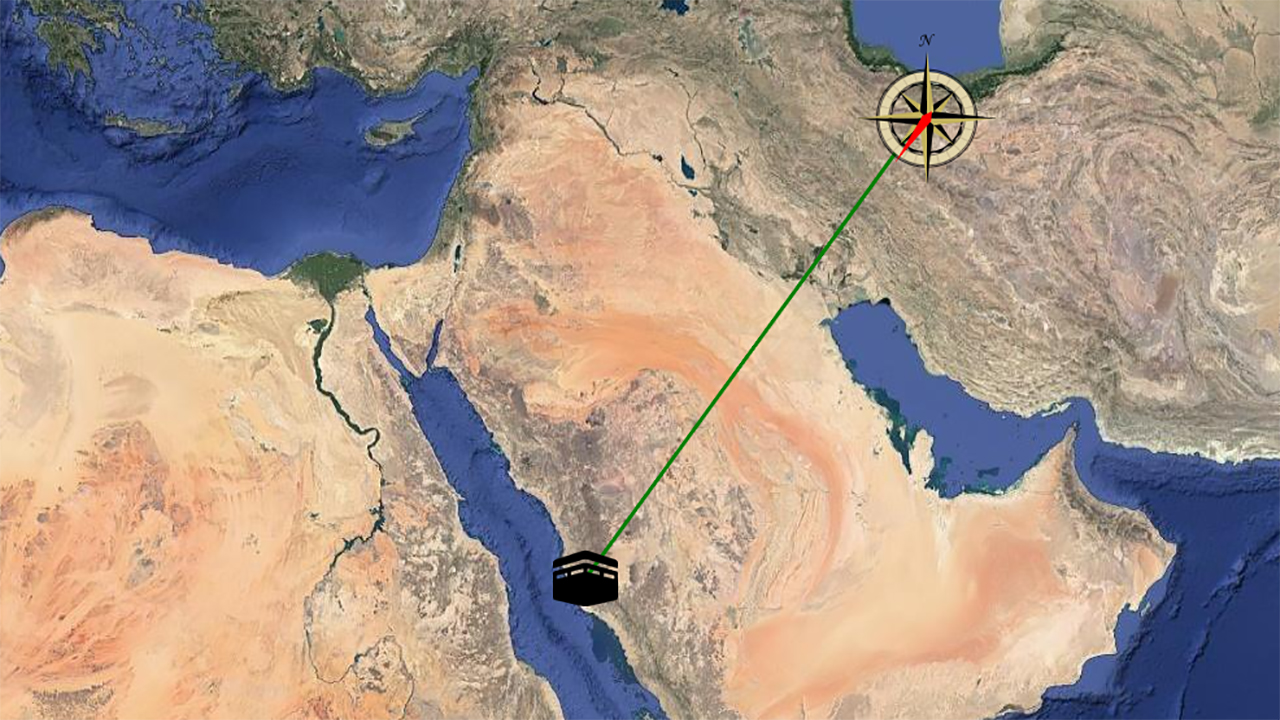
Qibla in southwestern Iran
When entering the Persepolis building, a staircase with wide and low steps seems to open its arms to you. There are 111 steps on each side, which are carved from large stones and sometimes from the slopes of Mount Rahmat and are integrally carved. By climbing it, you have actually stepped onto a platform that covers an area of over 125,000 square meters, or more than 12 hectares. This platform, which houses the complex of buildings, leans on Mount Rahmat on one side and looks at Marvdasht on the other three sides. This quadrangular platform is intended as a flat base for the buildings and rises between 5.5 and 18 meters above the surface of the surrounding plain at different points. The platform and all the buildings on it are inclined towards the southwest or, in the term, facing the Qibla. This construction method, which is observed in most ancient buildings, is to benefit more from sunlight. So that the duration of sunlight entering the building is increased and all four sides of the building will benefit from the sun's rays for some hours.
Lion and Sun
In Persepolis, there is a relief of an Achaemenid king who, with a dagger, ripped open the belly of a lion and plunged another dagger into its head. If we look carefully, we will find that historical documents and evidence indicate that the symbol of the lion and the sun has non-Iranian roots and we can even say that its roots are anti-Iranian; because this was the symbol of the Roman Empire.
The three principles of Zoroastrianism were pleasing to the Iranians. It was not that before Zoroastrianism, Iranians were irreligious. They always had monotheism, but Zoroastrianism was closer to the soul of the Iranian student by relying on morality and correct thinking. Iranians wanted such a religion and always lived by this religion. A religion that was not contrary to reason and intelligent opinion. Iranians provided their tools of power with knowledge. They tried to achieve knowledge and always tried to achieve good ideas and correct thinking. They also wanted their kings to follow this religion and religion, and if they saw anything other than this in kings, they would not sit still and strive to free themselves from the hands of the irreligious king. An example of this was during the time of Zahhak Mardush, who destroyed the minds and thoughts of the youth and increased corruption in the minds of the young Iranian people day by day. The story of Zahhak Mardush is mentioned in the Shahnameh, and one of the Iranian honors is that they did not let the thoughts and minds of their youth become food for an irreligious king.
Zahhak Mardush
The kingdom of Zahhak is the fifth story of kings and the fifth kingdom among the predecessors in Ferdowsi's Shahnameh, which tells the story of the thousand-year reign of Zahhak. I present his story as a complement to the above:
In Ferdowsi's Shahnameh, Zahhak is a tyrant king who makes a deal with the devil and is deceived by him. In the book of Shahnameh, this story is told in several poetic parts:
Part one - Zahhak's reign was a thousand-year hound.
Part two - Ermail and Garmil and the release of the victims of the brain-eating snakes that had grown on Zahhak's shoulders
Part three - Zahhak's nightmare and the prediction of the priests about the rise of Fereydun
Part four - Fereydun's birth, the killing of his father and his raising him with the milk of a cow in the desert
Part five - The killing of a cow in the desert
And so on
Another example of the collective behavior of Iranians in the fight against irreligious kings during the Sasanian period was that, due to discrimination, the common people of Iran were far from even the minimum level of thought, which was far from the acquisition of knowledge by court scribes, and only a court class could learn science. At that time, Iranian religious people turned to Islam, the main clause of which was thought and an emphasis on equality. Of course, they did not convert to the Islam of Omar, who burned Iranian libraries. In the first place, they wanted the kings who did not even allow their children to study to be destroyed in the Sassanid dynasty, and in the second place, they turned to Shiism, which valued books, reason, and thought above all else.
This spirit of benevolence that existed in Iranians since the time of Zoroaster and before that, always caused enemies who were actually ill-wishers of the world to draw swords against the Iranian people: the battle of ancient Rome with the people of ancient Iran, the conflict of Alexander the Great and the burning of Persepolis and our library; the largest book burning in history, the colonial wars of England in recent times, the attempt to softly influence the youth and make the Iranian people weak and miserable in the First and Second World Wars.
Iranians always fought with armies from the West who were supporters of evil. When they were victorious, the scope of global justice increased and the world found stability and peace. As happened in the kingdom of Cyrus the Great. When the Iranians were defeated, a breach in the world spread across the globe. Justice was happening. Not only Iranians were harmed, but people all over the world were harmed; because the flag of justice and benevolence has been and is raised in Iran. Today, benevolent Iranians, far from racial discrimination, want justice and peace for the Palestinian people and oppressed Muslims of the world, such as the Shiites of Bahrain and Saudi Arabia, and freedom and dignity for the people of Sudan. However, Iran's enemies, who today have their hands far from Iranian soil and lives, are trying to continue injustice, bloodshed, and the killing of the oppressed throughout the world in order to take earthly capital such as gold and diamonds to their homes. The greatest enemies of Iran today are the Zionist regime, which steals diamonds from the people of Sudan by shedding their blood and has become the world's largest diamond exporter. We are living in a critical period of history, when it seems that one of the greatest victories of Greater Iran is on the way. The battles of the benevolent Iranians have reached the banks of the Nile, and the malevolent Zionist regime has decided to confront the Iranians directly:
Continuing the Zionist attacks without restraint will undermine international and regional efforts to establish peace and will lead to an escalation of tensions and the continuation of the conflict.
The Prophet of God
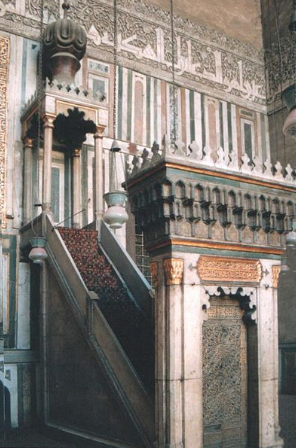
The Mihrab of Al-Aqsa Mosque
The name of Al-Aqsa Mosque is mentioned in Surah Al-Isra, and according to narrations, the Prophet of Islam, peace be upon him, ascended from there. The narrations state that Gabriel, the faithful, brought a chariot called "Buraq". The Prophet of God, Muhammad (peace be upon him and his family), was transferred from Mecca to Al-Aqsa Mosque. There, the Prophet of God saw Prophet Abraham (peace be upon him). Either God Almighty had resurrected that Prophet or had given him an exemplary form.
Satanism
The Zionist regime knows that as long as Al-Aqsa Mosque is in the hands of Muslims, the claim of complete sovereignty over Jerusalem will be incomplete. Therefore, for years, a desperate attempt has been made to destroy this mosque. The destruction of Al-Aqsa Mosque is an ongoing crime that shows a collective effort to increase the dominance of disbelief and hypocrisy. Disbelief and hypocrisy have torn their hearts.
The six-pointed star is a symbol of Zionist Satanism
In examining the symbols belonging to Satanism, the line of connection between Zionism and Satanism is clearly visible. We can point to the six-pointed star - also seen in Masons - which is the Seal of Solomon or the Star of David, the symbol of the Jewish kings. Historians, artists and archaeologists emphasize that the Star of David is a Zionist false legend and was originally an Arabic form that was stolen by the Jews. Meanwhile, the current symbol of the Zionists is two triangles in the shape of a six-pointed star. In Satanism, this symbol is one of their main symbols. The six-pointed star of six sides represents the number 666.
Meanwhile, this number is a special number among Satanists and represents the Antichrist or Antichrist. Accordingly, the parallel flow of Freemasons, Zionism and Satanists can be clearly seen in the symbols. In this way, the Zionists have a tool to use this symbol, and that is, they introduce anyone who they consider to be an opponent of their policies as the Antichrist and introduce the real Christ who will save the world on their behalf. In this view, the Prophet of Islam - may God bless him and grant him peace - is also considered an Antichrist.