
Hello Abroad
This Weblog is for Foreingers
Hello Abroad
This Weblog is for Foreingersدرباره من
 از اونهام که می گم آدم بایست حرف خودشو بزنه، اما یاد گرفتم که هر حرفی رو تو جاش بزنم، اینجا، هرچی می خوام رو می گم
ادامه...
از اونهام که می گم آدم بایست حرف خودشو بزنه، اما یاد گرفتم که هر حرفی رو تو جاش بزنم، اینجا، هرچی می خوام رو می گم
ادامه...
آقا زاده های دیروز و آقازاده های امروز
وقتی انقلاب اسلامی ایران شکل گرفت کارها را بین هسته جوان دولت تقسیم کردند. سن شهید رئیسی آن زمان که انقلاب اسلامی ایران صورت گرفت ۱۴ سال بود. آنهایی که باید به جبهه میرفتند و فرمانده میشدند ۱۹ سال سن و همین حدودها داشتند. آن زمان و کمی بعدها هنوز متوسط سن ازدواج ۱۷ سال بود. اوایل دهه شصت شمسی، برخی به خاطر جبهه و جنگ که عراق به نیابت از آمریکا و انگلیس راه انداخته بود ازدواجشان به تاخیر افتاده بود و برخی که تازه ازدواج کرده بودند شهید شدند.
دهه شصت شمسی سالی بود که از هر خانواده هفت نفره اهوازی یک شهید داشتیم و چندین نفر از افراد شاخص انقلابی را هم شهید کرده بودند، اما همچنان بدنه انقلابی و جوان کارها را بین خود تقسیم میکردند و در راس نظام جمهوری اسلامی ایران میخواستند که کارها به خوبی پیش رود، و مردم به آنها رای میدادند. در آن زمان فرزندان این نسل انقلابی بزرگ میشدند و همزمان از گوشه و کنار شاهد پیشرفت کارهای پدرانشان بودند.
دهه هفتاد دولت نام سازندگی را برای خود انتخاب کرد
در این زمان، پیشرفت و توسعه شهرها و روستاها به یک مدل کلی شکل نگرفته بود و تقریبا شهر با شهر فرق میکرد، ولی هسته اصلی توسعه شهرها هنوز دست نیروهای خادم باهوش بود. بدنه اصلی به یکدیگر اطمینان داشتند. آنها هم دوره ای های خود را خوب میشناختند. میدانستند که اگر کسی که از هفت سالگی شاگردی کارگاه ماشین سازی را کرده و در بیست و یک سالگی دادیار شده او ایده های متفاوتی برای بهبود و توسعه شهری میتوانسته داشته باشد و از راهنمایی های سازنده او استفاده میکردند.
با اینکه در آن زمان از سن پایین ازدواج میکردند و قرار بود هر کس تا ده سال و پانزده سال بعد از آن چند تا بچه داشته باشد. مثل حالا نبود که بچه ها تا بیست و چند سالگی در خانه مجرد میمانند و وقتی هم که ازدواج کردند نهایتش یکی دو بچه به دنیا می آورند. آن زمان پدران ما بین کار و زندگی و خرج بچه ها، یادگیری چند حرفه جدید و آموختن علوم مختلف را هم جا میکردند.
یادگیری علوم ضمن خدمت، بین پدرها، بخصوص، با فرزندان فاصله میانداخت.
هر قدر شغل این هسته انقلابی از تربیت فرزندان فاصله داشت، همانقدر بچه ها از پدرانشان در خانواده محروم بودند. با این حال، ما مثلا میدیدیم که وقتی متروی تهران آمد، میگفتند آن را پسر رفسنجانی که آن زمان رئیس جمهور بوده، انجام داده است؛ او از خارج با خودش مهندسی مترو را آورده است. میگفتیم پسر رفسنجانی مهندسی خوانده و خود رفسنجانی هم در طرح ملی درختکاری، این درخت های کنار خیابان شوسه را کاشته است.
از ارتباط پدرانمان با هسته اصلی جریان توسعه انقلاب آگاه بودیم. هسته اصلی نظام جمهوری اسلامی، پیشرفت و توسعه را میخواست و از بهره برداری مناسب و درست آن، از هیچ تلاشی فروگذار نمیکرد. در مدل توسعه شهری مشهد باید بگویم ما مدل متفاوتی از حضور بخش خصوصی تحت عنوان آستان قدس رضوی داشتیم که در کنار دولت کار میکرد.
با ترورها و فرهنگ سازی های مختلف رفته رفته انقلاب دست یک جریان افتاد: جریانی موسوم به اصلاحات. از عمر 47 سال انقلاب اسلامی، 37 سال دست اصلاح طلب ها بود. هر زمان هم که هدایت آن دست نیروهای انقلابی می افتاد یا شهید میشدند و یا به نوعی از صفحه سیاست حذف میشدند. نمونه آن شهید بهشتی، شهید رجایی و این آخر هم شهید رئیسی.
میشود گفت که آن ده سال هم که جریان انقلاب دست نیروهای انقلابی افتاد شانس و یا فرصتی بود که سالها انتظارش را میکشیدند و برای آن برنامه ریزی میکردند.
جریان اصلاحات بیشتر مطلوب آمریکا و انگلیس بود. میرحسین موسوی، محمد جواد ظریف آمریکایی، عارف آلمانی، خاتمی به انگلیس رفته و برگشته و روحانی از انگلیس برگشته که بقدری پس از هشت سال ریاست جمهوری اش به انگلیس رفت که گفتن این تابعیت انگلیسی دارد: 70 بار به انگلیس سفر کرد.
ظریف، رئیس دیپلماسی وزارت خارجه جریان اصلاحات سکوی هدایت ارتباطات ایرانی ها را با خارجی ها برعهده داشت. او حتی امروز هم که سیاست خارجی آنها شکست خورده موسسه تاسیس کرده و پنهانی کلی ارتباطات با آمریکایی ها شکل داده است. آن ها پس از شهادت شهید رئیسی در بزنگا حضور پیدا کردند و عرق ریختند و حکومت را دست جریان اصلاحاتی سپردند که الآن میخواهند ازش عبور کنند.
حتی در دوره هشت سال ریاست جمهوری روحانی که شاهد بسته و تعطیل شدن کارخانه ها و دانشگاه های غیروابسته به اینها بودیم، ما شاهد انقدر فاصله طبقاتی که امروز هستیم نبودیم. ظرف یکی دو سال فاصله ها تعریف شد:
کسانی که متولد اواخر دهه چهل شمسی و کلا دهه پنجاه بودند، آقازاده هایی میشدند که قرار بود کلی فرد شایسته را زیر دست خودشان نوکر کنند. چهره ظریف در همین دولت پزشکیان مشخص شد: او که همیشه در نوعی پوسته کلامی صحبت میکرد، تا این اواخر شاهد آن نبودیم که چهره ای نیولیبرال پیدا کند و بخواهد هر چه بیشتر نوکران بیشتری داشته باشد.
حتی چهره هاشمی رفسنجانی، پسر رئیس جمهوری سازندگی ایران هم این اواخر بیشتر تغییر کرده و او هم تعداد بیشتری نوکر و کلفت میخواهد.
وقتی حرف از نوکر و کلفت میزنم، منظورم این است که بدون در نظر گرفتن تحصیلات و شایستگی افراد، فقط برای آنها یک جایگاه میخواهد: نوکری. این نوکری شامل عدم حضور نیروها در رئوس کار مثل مدیریت و هدایت امور است؛ نوکری جاسوس از دایره خودی
این ها میشوند آقازاده های نهایتا دهه پنجاهی که آقازاده های دهه شصتی هم به کام خود میکشند.
یعنی کسی که متولد دهه شصت هست، اگر تا حالا موفق به ازدواج نشده و باید ببینیم چرا نشده، او اگر برای استخدامی تلاش کرد به جز مشاغل دون پایه چیزی گیرش نخواهد آمد: آقازاده های دهه پنجاه فاصله طبقاتی شان زیاد شده و کار و تلاش زیاد کرده اند و پدرانی که روزی در این دولت کارکنان آن محسوب میشدند نتوانسته اند این شانس را برای فرزندانشان ایجاد کنند که در مصاحبه آزمون های استخدامی فرزندان آنها قبول شوند. شاید دلیل آن فقر باشد، شاید نداشتن همسر و شاید هم دلیلش میتوانسته جسن سفال گونه آنها در برابر طلای آقازاده های اصلاح طلبی باشد که بیشتر پایشان متمایل است در غرب و جاهای خوش آب و هوا تر باشد.
هر چه هست، فقر چیز خوبی نیست.
من خودم معمولا در آن دسته قرار میگیرم که پست مدیریتی و کارکنان خوب موظف دولتی به آنها داده نمیشه. موقع انتخابات کسانی از من رای جمع میکنند که همدیگر را به اسم فامیل صدا میزنند: خواهر شوهر، برادر زن و اینها.
تو هتل های زنجیره ای که میروم هم همین طور است: همه باهم فامیل هستند و در جایی که من فامیل پیدا نکرده ام، آن شغلی که کمتر بشنود و کمتر ببیند و بیشتر دست ها کار کند را به من میدهند. همان هم برای مدتی و ترجیح میدهند جاسوس از دایره خودی داشته باشند. چون به هر حال، کاغذی ممکن است که در سطل آشغالی انداخته شود که نخواهند من بدانم آن آشغال چه بوده است.
نگاه که میکنم میبینم قبلا هم همین طور بوده است. وقتی مدرسه میرفتم و برای شاگرد اولی با همکلاس های خودم رقابت میکردم، مدیرمان ته فامیلش مشهدی بود. آن هم کلاسم در دانشگاه که حتی با وجود پوشیه پوشیدن شناخته میشد و استاد بهش احترام میگذاشت ته فامیلش مشهدی بود. آن دوستم که یک ترکی مثل پزشکیان فامیلشان شد، فامیلش یکی از روستاهای مشهد به نامش بود و وقتی از او میپرسیدی که مردم این روستا فامیل تو میشوند، انکار میکرد. انکار میکرد که پدرش میتوانسته برای تو شغلی جور کند و بعد از مدتی انکار هم حتی نیاز نمیدید که با تو حرف بزند.
بعد از سی سال مهاجرت از وسط شهر خودمان که از کنار رودی میگذشت، قصد داشتم برگردم جای مادبزرگها و به فامیل خودمان در شهر بالاتر و پایتخت نزدیک تر شوم، ولی آنجا هم در فامیل موضوع برتری مرد بر زن و آقازاده های دهه پنجاهی مطرح بود. موضوع بومی و پنج سال زندگی در شهر مقصد هم مطرح بود. دیدم آنجا هم باید از صفر شروع کنم. ضمن اینکه قیمت زمین ها و خانه ها هم با قیمت خانه ها و زمین های مشهد برابر بودند. دیدم فامیل هم به ما نگاه نمیکند و او اسم دایی دارد، این یکی اسم خاله دارد و آن یکی هم عمه. با اینکه پدر من به همه آنها کمک کرده بود، ولی آنها منتظر محتاج شدن ما بودند. میگفتند که ما تنبل شده ایم و تا حالا این خانه و سرمایه که آنها کسب کرده اند به زحمت و لابلای این دولت ها بوده است و حالا باید بیاییم و سیلی بازار را بخوریم و کار کنیم!
دیدم اینطوری هست که دختر باید بیشتر سیلی بازار را بخورد و به پسر یک بار طلاق گرفته، اگر خانه و ماشین داشته باشند زن میدهند، برگشتم.
برگشتم و جای چند نفر کار کردم. برگشتم، در حالی که آقازاده بودم و شغل بازاری نداشتم و در دستگاه دولتی هم راهم نداده بودند. حتی مثل اجاره نشین های وسط شهری که در یک روستای گردشگری زمین و خانه داشته باشد، نبودیم. باید سر زمینی برمیگشتیم که به مدت چند سال شهردار درستی نداشته و نداره. هربار اسم منطقه ما می آید حرف از مهم است و ضروری است و باید بپردازیم و خواهیم پرداخت و اینها اصلا چه دارند و اینها میزنند.
فامیل هنوز هم می آید و با حرف های اغوا کننده اش از اتصال ما را ترغیب میکند که به شهری برگردیم که ممکن است تعداد بیشتری فامیل در آن تکرار شده باشد. آخرین باری که برگشتم آنجا فقط پنج روز ماندم. هرکسی نهایتش در حد یک روز، حاضر بود کسی که میخواست از نو در آن شهر شروع کند را بپذیرد. احترام هم که اصلا. یک عطسه میکردی زودی برمیگشتند و میگفتن کرونا داری؟ یک نخ از لباست می افتاد نگران گم شدن کارت اعتباریشان میشدند. این در حالی بود که آن زمان که ما مشهد بودیم و هتل های زنجیره ای وسط شهر را به غارت نبرده بودند، ما نقش هتل آنها و خادمان آنها را داشتیم و حتی اگر برای بیست روز خانه خود را رنگ میزدند و میخواستند یک جایی برای ماندن انتخاب کرده باشند به خانه ما می آمدند. برادر کوچک مادر من شش ماه خانه ما بود. پسرش مدرسه جای خانه ما میرفت و آخرش با یکی دو سکه راضی شد یک خانه کمی آنطرف تر در مشهد انتخاب کند و بعد هم با فامیل زنش که به تهران میرفتند حاضر نشد بیشتر ساکن استیجاری مشهد بماند و به بالاتر از اینها فکر میکرد. او مرد بود و پدرش حاضر بود بخشی از خانه را بعنوان مغازه و بخشی را به عنوان محل سکونت پسرش در اختیارش قرار بدهد، بدون اینکه نیاز باشد اجاره بدهد و درآمد هم کسب کند.
اینها به ما میگفتند که تا حالا شانس آورده بوده ایمو حالا باید سیلی بازار را پس از سی-چهل سال بخوریم!
فرق هست بین آقازاده های دیروز و آقازاده های امروز.
_______________________________
When the Islamic Revolution of Iran took place, the tasks were divided among the young core of the government. The age of the martyr Raisi at the time of the Islamic Revolution of Iran was 14 years old. Those who were supposed to go to the front and become commanders were 19 years old and around the same age. At that time and a little later, the average age of marriage was still 17 years old. In the early 1980s, some had their marriages delayed due to the front and the war that Iraq had launched on behalf of the United States and Britain, and some who had just married were martyred.
The 1980s were a year when we had one martyr from every seven-member Ahwazi family, and several prominent revolutionary figures had also been martyred, but the revolutionary and young body still divided the tasks among themselves and at the top of the Islamic Republic of Iran, they wanted things to go well, and the people voted for them. At that time, the children of this revolutionary generation were growing up and at the same time, they were witnessing the progress of their fathers' work from every corner.
The 1990s saw the government choose the name of construction for itself
At this time, the progress and development of cities and villages had not been shaped into a general model, and almost every city differed from city to city, but the core of urban development was still in the hands of intelligent servants. The main body trusted each other. They also knew their peers well. They knew that if someone who had been an apprentice in a machine shop since the age of seven and became a lawyer at the age of twenty-one could have different ideas for urban improvement and development, and they used his constructive guidance.
Although at that time people married at a young age and everyone was supposed to have a few children by the age of ten and fifteen after that. It was not like now when children stayed single at home until they were twenty-something and when they got married, they would eventually give birth to one or two children. At that time, our fathers would balance work and life, and spending on their children, learning a few new professions, and learning various sciences.
Learning sciences while working created a distance between fathers, especially with their children.
The more distant the job of this revolutionary core was from raising children, the more deprived the children were of their fathers in the family. However, we saw, for example, that when the Tehran metro was built, they said that Rafsanjani’s son, who was the president at the time, had built it; he had brought the metro engineering with him from abroad. We said that Rafsanjani’s son had studied engineering and Rafsanjani himself had planted these trees along road in the national tree planting plan.
We were aware of our fathers’ connection to the core of the revolutionary development movement. The core of the Islamic Republic system wanted progress and development and spared no effort in its proper and proper exploitation. In the Mashhad urban development model, I must say that we had a different model of the private sector’s presence under the name of Astan Quds Razavi, which worked alongside the government.
With various assassinations and cultural constructions, the revolution gradually fell into the hands of a movement: a movement called reforms. Of the 47-year life of the Islamic Revolution, 37 years were in the hands of reformists. Whenever the leadership fell into the hands of the revolutionary forces, they were either martyred or somehow removed from the political scene. Examples include Martyr Beheshti, Martyr Rajai, and recently Martyr Raisi.
It can be said that the ten years that the revolutionary movement fell into the hands of the revolutionary forces were a chance or an opportunity that they had been waiting for and planning for for years.
The reform movement was more favorable to the United States and Britain. Mir Hossein Mousavi, Mohammad Javad Zarif, an American, Aref, a German, Khatami, went to England and returned, and Rouhani returned from England, having gone to England after eight years of his presidency, to the point that he has British citizenship: he traveled to England 70 times.
Zarif, the head of diplomacy at the Foreign Ministry, was the platform for guiding Iranians’ relations with foreigners. Even today, when their foreign policy has failed, he has established an institute and secretly formed a general relationship with the Americans. After the martyrdom of Shahid Raisi, they appeared in Bazenga, sweated, and handed over the government to the reform process that they are now trying to pass.
Even during the eight years of Rouhani's presidency, when we witnessed the closure and closure of factories and universities not affiliated with them, we did not witness the class gap that we see today. Within a year or two, the gaps were defined:
Those born in the late 1960s and the 1970s in general, became nobles who were supposed to have a whole bunch of worthy people under their control. Zarif's face became clear in this Pezeshkian government: he, who always spoke in a kind of verbal shell, until recently we did not see him acquire a neoliberal face and want to have as many servants as possible.
Even the face of Hashemi Rafsanjani, the son of the President of Iran's Construction, has changed more recently, and he also wants more servants and scoundrels.
When I talk about servants and maids, I mean that, regardless of the education and qualifications of the individuals, it only wants one position for them: servitude. This servitude includes the absence of forces in the areas of work such as management and guidance; servitude is spying from the inner circle
These are the noblemen of the fifties who are also being exploited by the noblemen of the sixties.
That is, someone born in the sixties, if they have not managed to get married yet and we must see why not, if they try to get a job, they will not get anything except low-level jobs: the noblemen of the fifties have increased their class gap and have worked and tried hard, and the fathers who were once employees of this government have not been able to create the chance for their children to pass the employment test interviews. Maybe the reason for this is poverty, maybe the lack of a wife, and maybe the reason can be Their earthenware nests are more like gold than the gold of the reformist nobles who are more inclined to go to the West and to places with better climates.
Whatever it is, poverty is not a good thing.
I myself usually fall into the category of those who are not given managerial positions and good government employees. During elections, people who call each other by their family names get votes from me: sister-in-law, brother-in-law, and so on.
It's the same in the chain hotels I go to: everyone is related to each other, and where I haven't found a family, they give me the job where I hear less and see less and work more with my hands. That's for a while, and they prefer to have a spy from their own circle. Because anyway, a piece of paper can be thrown in the trash without me knowing what that trash was.
Looking back, I see that it's been the same before. When I was in school and competing with my classmates for the top student, our principal was from Mashhad. My class at university, where he was known even though he wore a veil and was respected by the professor, was from Mashhad. My friend, who was a Turk like the doctors, had a family name in one of the villages in Mashhad, and when you asked him if the people of this village were your family, he would deny it. He would deny that his father could have arranged a job for you, and after a while of denial, he wouldn’t even see the need to talk to you.
After thirty years of emigrating from the middle of our city, which ran along a river, I planned to return to my grandmother’s place and be closer to our family in a higher city and the capital, but there, too, the issue of male superiority over women and the aristocrats of the fifties was a concern in the family. The issue of being a native and living in the destination city for five years was also a concern. I saw that I would have to start from scratch there too. In addition, the prices of land and houses were the same as the prices of houses and land in Mashhad. I saw that the family didn’t even look at us and that one was called an uncle, this one was called an aunt and that one was called an aunt. Even though my father had helped all of them, they were waiting for us to get in need. They said that we were lazy and that up until now this house and capital that they had acquired had been the result of the hard work and suffering of these governments and now we had to come and take the slap in the face of the market and work!
I saw that it was like this that the girl had to take the slap in the face of the market more and the boy was given a wife if he had a house and a car after being divorced once, so I returned.
I returned and worked for a few people. I returned, even though I was a nobleman and didn’t have a job in the market and they hadn’t given me a chance in the government system. We weren’t even like the tenants in the middle of the city who had land and houses in a tourist village. We had to return to a land that had not had a proper mayor for several years and doesn’t have one. Every time our region is mentioned, it is important and necessary and we have to pay and we will pay and what do they have and what do they say.
The family still comes and with its seductive words of connection persuades us to return to a city where there may be more families repeated. The last time I went back, I only stayed there for five days. Everyone was willing to accept someone who wanted to start anew in that city for at least one day. There was no respect at all. If you sneezed, they would soon come back and say, "Do you have coronavirus?" A thread would fall off your clothes and they would worry about losing their credit card. This was while when we were in Mashhad and the chain hotels in the middle of the city had not been looted, we played the role of their hotel and their servants and even if they were painting their house for twenty days and wanted to choose a place to stay, they would come to our house. My mother's younger brother was our house for six months. His son went to school instead of our house, and in the end, with a few coins, he agreed to choose a house a little further away in Mashhad, and then with his wife's family who were going to Tehran, he refused to stay a tenant in Mashhad any longer and was thinking of something higher. He was a man and his father was willing to give him part of the house as a shop and part as a place for his son to live, without having to pay rent and earn an income.
They told us that we had been lucky so far, and now we have to suffer the slap of the market after thirty or forty years!
There is a difference between the nobles of yesterday and the nobles of today.
شهرها در دوره سازندگی چطور توسعه پیدا کردند؟
با پیروزی انقلاب اسلامی ایران، ساختار اداره کشور بهناچار بر دوش نسلی جوان و کمسنوسال قرار گرفت؛ نسلی که همزمان باید انقلاب را تثبیت میکرد، جنگ را اداره میکرد و بنیانهای دولت جدید را میساخت. بسیاری از چهرههایی که بعدها در رأس مدیریت کشور قرار گرفتند، در سالهای ابتدایی انقلاب نوجوان یا جوان بودند. برای نمونه، سن شهید آیتالله رئیسی در زمان پیروزی انقلاب ۱۴ سال بود و بسیاری از فرماندهان جبهه در آغاز جنگی که عراق علیه ایران به راه انداخت، حدود ۱۸ تا ۲۰ سال سن داشتند. این جنگ که به نیابت از آمریکا و انگلیس در مناطق ثروتمند جنوب ایران صورت گرفت، تخریب گسترده ای در سازه ها به بار آورد.
در آن دوره، الگوی زندگی اجتماعی نیز با امروز تفاوت جدی داشت. متوسط سن ازدواج حدود ۱۷ سال بود و در اوایل دهه شصت، بخشی از جوانان بهدلیل حضور در جبهه ازدواج خود را به تعویق انداختند و بسیاری از کسانی که تازه تشکیل خانواده داده بودند، به شهادت رسیدند. دهه شصت، بهویژه در شهرهایی مانند اهواز، دههای بسیار پرهزینه بود؛ تا جایی که در اغلب خانوادهها یک شهید وجود داشت و همزمان چهرههای شاخص انقلابی نیز ترور یا شهید میشدند.
با وجود این فشار سنگین انسانی و اجتماعی، بدنه جوان و انقلابی کشور از هم نگسست. مسئولیتها میان نیروها تقسیم شد، اعتماد دروننسلی بالا بود و ارادهای جدی در رأس نظام برای پیشبرد امور وجود داشت. مردم نیز با رأی خود از این مسیر حمایت میکردند. در همین سالها، فرزندان این نسل در حال رشد بودند و از نزدیک میدیدند که پدرانشان چگونه همزمان با جنگ، کشور را اداره و زیرساختها را ایجاد میکنند.
دهه هفتاد و تولد «دولت سازندگی»
در دهه هفتاد، دولت بهطور رسمی عنوان «سازندگی» را برای خود برگزید. این نامگذاری، بازتاب شرایطی بود که کشور پس از جنگ با آن مواجه بود: نیاز گسترده به بازسازی، توسعه زیرساختها و پاسخ به مطالبات انباشتهشده شهری و روستایی. در این دوره، هنوز یک الگوی واحد و مدون برای توسعه شهرها وجود نداشت و هر شهر متناسب با شرایط تاریخی، اقتصادی و انسانی خود رشد میکرد. با این حال، هسته اصلی توسعه همچنان در اختیار نیروهایی بود که هم سابقه اجرایی داشتند و هم مورد اعتماد یکدیگر بودند.
یکی از ویژگیهای مهم این نسل، چندمهارته بودن و انعطاف شغلی بود. افراد از کودکی وارد کار میشدند، مهارتهای فنی میآموختند و در جوانی ممکن بود وارد حوزههایی کاملاً متفاوت، مانند قضاوت یا مدیریت شوند. تغییر مسیر شغلی در ۱۶ یا ۱۷ سالگی امری طبیعی تلقی میشد. این تجربه زیسته باعث میشد نگاه آنان به توسعه شهری، نگاهی عملی، ترکیبی و مبتنی بر حل مسئله باشد، نه صرفاً اداری یا تئوریک. افرادی که در «جهاد سازندگی» بودند، افراد مومنی بودند که خدمت در نقاط دور افتاده کشور را دوست داشتند و آن دوره با جهاد سازندگی شناخته میشد و چون از بین مردم بودند، مردم هم به آنها رای میدادند.
در کنار این فشار کاری، زندگی خانوادگی نیز پرجمعیت بود. انتظار میرفت هر خانواده طی یک دهه صاحب چند فرزند شود. برخلاف امروز که فرزندان تا سالها در خانه میمانند و خانوادهها کمجمعیتتر شدهاند، آن نسل باید میان کار، تأمین معاش، تربیت فرزند و یادگیری مستمر تعادل برقرار میکرد. آموزشهای ضمن خدمت و مسئولیتهای گسترده، گاه فاصلهای ناخواسته میان پدران و فرزندان ایجاد میکرد، اما فرزندان از طریق روایتها و نشانههای شهری، با نقش پدران خود در پروژههای ملی آشنا میشدند.
توسعه شهری و نقش نهادهای خاص؛ نمونه مشهد
خیلی از مشهدی ها و خیلی از مردم شهرهای دیگر که برای درمان و زیارت به مشهد رفت و آمد داشتند، از قدمت ساختمان آستان قدس کنار بیمارستان امام رضا با خبرند. ما از زمانی که به خاطر داریم این ساختمان در اختیار آستان قدس بوده است. از اواسط دهه هفتاد شمسی که دولت ایران نام خود را تحت عنوان سازندگی تحویل دولتهای بعدی میداد این ساختمان هم دستخوش تغییر شد.
آستان قدس با تیتاب ها و نان های پفی کشمشی-گردویی معروف بود
مشهدی ها بخصوص به آن تیتاب میگفتند کِیس که تا اواسط دهه هشتاد که کامپیوترهای رومیزی با کِیس آمده بود هنوز سر زبانها بود و در برخی موارد از شباهت این تفاوت نامگذاری ها با هم شوخی میکردیم. تا همان زمان که هر خانواده یک کامپیوتر داشته باشد، هنوز فرهنگ استفاده مجدد داشتیم و حتی برای ظرف های شبه آلومینیومی آبمیوه هایی مثل تقدیس تعریف داشتیم که ساک دستی از آنها بسازیم.
دهه نود شمسی سال بازنشستگی تعداد زیادی از کارکنان دولتی بود که همگی از هفده-هجده سالگی خود را برای پیشبرد اهداف جمهوری اسلامی ایران تعلیم داده بودند و امیدوار بودند فرزندان تحصیل کرده شان، جای آنها را بگیرند. این سالها همزمان شده بود با توسعه متراکم شهرها. قبل از آن هم معلوم بود که این اتفاق در حال رخ دادن هست. همچنان پیشنهادات مفید صورت میگرفت، ولی توسط کسانی بود که دیگر وقت بازنشستگی آنها سر میرسید.
توسعه متراکم شهرها با تورکود (تورم+رکود)
از اواسط دهه هفتاد شمسی با تورم و رکود باهم مواجه بودیم. مثلا همین آستان قدس، وقتی ساختمان کیک فروشی کنار بیمارستان امام رضای آن آورده متناسب با نیاز و تورم اقتصادی را نداشت، تغییر کاربری به انتشارات به نشر را داد.
همزمان همین آستان قدس چون با کیک هایش بین مردم شهرت داشت تنوع طرح تولید تا اشترودل و سایر خوردنی های فست فودی داشت و دکه هایی هم بزرگتر از دکه های معمول روزنامه فروشی در خیابان های بزرگ قدیم و اصلی شهر برای فروش خود اختصاص داد تا همزمان با مدل توسعه متراکم شهری بتواند خدمات بیشتر در تعداد ساختمان های کمتر، ولی در تجمع رفت و آمد بیشتر برای فروش خود اختصاص دهد.
در همان زمان در دولت هم به همین صورت بود. تورمی که برای آستان قدس رضوی اتفاق می افتاد برای دولتی که قرار بود سازندگی خود را توسعه دهد اتفاق می افتاد. دولت هم دکه های بزرگتر از دکه روزنامه فروشی در کنار میادین اصلی خارج از شهر و بخش های توسعه شهری به خود اختصاص داد که امروز هنوز از نظر بهره وری خاص هستند و یک بار میبینی در آن ها انبار دارند و یک بار میبینی که مشغول جوشکاری و آماده کردن برخی قطعات خرده ریز سازه های عمرانی خود هستند.
دکه های سازندگی
با اینکه پیمان کاری توسعه شهری دست شهرداری ها بوده و آن را تحویل بخش خصوصی میداده اند، ولی هنوز مکان های اختصاصی دولت سازندگی و هسته اولیه انقلاب را هر چند خیلی کم، ولی در حد مینیاتوری میتوانیم پیدا کنیم و آنها را ببینیم. جای خانه ما که یکی از بخشهای مدل توسعه شهری هست یکی از همین دکه های مینیاتوری توسعه ای داریم که بعنوان سوپرمارکت کنار پارک آن را میشناسیم. یعنی خیابان ها و باغچه ها و پارک ها را در حد خود تعیین و مشخص کرده اند و آنجا که دکه ای باقی مانده نه برای انباری و یا جوشکاری، بلکه برای سوپرمارکت کنار پارک استفاده کرده اند.
این مدل توسعه شهری که نه روستایی است و نه مدل شهرکی دارد، شاید فقط خاص ایران باشد و تحت عنوان توسعه مجتمعی شناخته میشود. برای تهران بزرگ از مدل توسعه شهری با شهرک سازی بیشتر استفاده شده است، ولی در شهر توس مدل توسعه که در میان روستاها صورت میگرفت از مدل توسعه مجتمعی استفاده شده است.
قدمت این مجتمع ها نهایتش چهل سال است
مجتمع کشاورزی، مجتمع ویلایی و مسکونی بعد از انقلاب تعریف شدند که بخش های مختلف قبل از اعمال طرح های تفصیلی تعریف میشوند. مثلا کارکنان اداره ای دولتی به صورت تعاونی از یک اداره دیگر مثل کشاورزی زمینهای خود را خریده اند. این مجتمع ها اسم هم دارند و مثل روستاهایی که کنار رودخانه ها شکل گرفتند و نام درختی داشته اند، اینها نیز نام گل و درخت دارند: مجتمع زیتون، مجتمع گلها، مجتمع اقاقیا، مثل روستای توپدرخت، بیدک، سنجدک و غیره.
عده ای جمع شده اند و با هم فکر کرده اند و زمینها و باغ هایشان را با کمک چند نفر هسته اصلی پای کار تقسیم کرده و خیابان بندی کرده اند. در عین حال، بخشی را هم با وقف بعنوان بخش دولتی کار که بعداً در اختیار شهرداری میگذارند اختصاص داده اند. این بخش شامل مسجد و دکه توسعه و پارک میشود. بخشی از مدل توسعه شهری را دارد و بخشی مدل توسعه روستایی، ولی نه شهر و شهرک است و نه روستا. از آن طرف، روستایی هم نیستند که مثلاً بگویی این روستا با قدمت چند هزار ساله سالها این نام را داشته است. حالت مجتمعی داشته اند و متصل به روستاهای گردشگری مثل دهشک و چهچهه و اینها تعریف شده اند.
قدمت این مجتمع ها نهایتش چهل سال است. زمانی که این ها توسعه پیدا میکنند و فرهنگ خود را نشان میدهند، در بین شهری ها و روستایی ها خود را معرفی میکنند و شناخته میشوند.
مجتمعی بین شهرک ها و روستاها
جایی که ما زندگی میکنیم، میدانیم که نهایتش یک بلوار از محل زندگی ما رد میشود، ولی در جاهایی مثل شهرک امام هادی وضع فرق میکند. آنجا بزرگراه هست و بزرگراه هم یعنی مدل توسعه با تاخیری در آن صورت میگیرد. اگر مثل رگهای بدن در نظر بگیریم اینجا که ما هستیم بخش مویرگی و رگ های نزدیک به آن هستیم و آنجا که بزرگراه تعریف میشود بخش مرکزی و رگ های بزرگتر هست.
در بزرگراه، آن دکه مجتمعی ممکن است سوپرمارکت تعریف شود ولی به شرطی که بخش های مویرگی اطراف آن تکمیل شده باشند و دیگر نیاز به پمپاژ آهن و ریخته گری از مراکز بزرگراهی نداشته باشند. وگرنه بزرگراه جایی هست که آهن و بتن را در حد وسیع و ابعاد بزرگتر برای سایر نقاط توسعه ای شهر تعریف کند و آن دکه بخش حیاتی آهن رسان است که به دولت اختصاص دارد.
از این دکه های آهن رسان و مونتاژ کننده آهن امروز جای پایانه مسافربری میثاق و بزرگراه هاشمی رفسنجانی پیدا میکنیم.
آشپزخانه جهانی
کشورهای دیگر هم مدل توسعه ای خود را دارند. مثلا تایلند برمبنای آشپزخانه جهانی خود را تعریف کرده است. ایران، در توسعه خود از اجرای ایده های توسعه پارک ها با در نظر گرفتن تاریخ و جغرافیای خود بهره میگیرد و برمبنای آن خود را توسعه میدهد.
____________________________
With the victory of the Islamic Revolution of Iran, the structure of the country's administration inevitably fell on the shoulders of a young and immature generation; a generation that had to simultaneously consolidate the revolution, manage the war, and build the foundations of the new state. Many of the figures who later headed the country's administration were teenagers or young people in the early years of the revolution. For example, the age of martyr Ayatollah Raisi was 14 years old at the time of the victory of the revolution, and many of the frontline commanders were around 18 to 20 years old at the beginning of the war that Iraq launched against Iran. This war, which was carried out on behalf of the United States and Britain in the wealthy regions of southern Iran, caused widespread destruction of structures. At that time, the pattern of social life was also seriously different from today. The average age of marriage was around 17 years old, and in the early 1980s, some young people postponed their marriages due to their presence at the front, and many of those who had just started a family were martyred. The 1980s, especially in cities like Ahvaz, were a very expensive decade; To the extent that there was a martyr in most families, and at the same time, prominent revolutionary figures were assassinated or martyred.
Despite this heavy human and social pressure, the young and revolutionary body of the country did not disintegrate. Responsibilities were divided among the forces, there was high intra-generational trust, and there was a serious will at the top of the system to move things forward. The people also supported this path with their votes. During these years, the children of this generation were growing up and saw up close how their fathers were running the country and building infrastructure at the same time as the war.
The 1990s and the Birth of the “Construction State”
In the 1990s, the government officially adopted the title of “Construction State”. This name reflected the conditions that the country faced after the war: the widespread need for reconstruction, infrastructure development, and responding to accumulated urban and rural demands. During this period, there was still no single, codified model for urban development, and each city grew in accordance with its own historical, economic, and human conditions. However, the core of development was still in the hands of forces that had both executive experience and mutual trust.
One of the important characteristics of this generation was multi-skilling and job flexibility. People entered the workforce from childhood, learned technical skills, and in their youth, they could enter completely different fields, such as judgment or management. Changing careers at the age of 16 or 17 was considered natural. This lived experience made their view of urban development practical, combined, and based on problem solving, not merely administrative or theoretical. The people who were in the “construction jihad” were believers who loved serving in remote parts of the country, and that era was known as the construction jihad, and since they were from the people, the people voted for them.
Along with this work pressure, family life was also crowded. Each family was expected to have several children in a decade. Unlike today, when children stay at home for years and families are smaller, that generation had to balance work, earning a living, raising children, and continuous learning. On-the-job training and extensive responsibilities sometimes created an unwanted distance between fathers and children, but children became familiar with their fathers’ role in national projects through urban narratives and symbols.
Urban Development and the Role of Special Institutions; The Example of Mashhad
Many Mashhadians and many people from other cities who traveled to Mashhad for treatment and pilgrimage are aware of the age of this building. We have been in the possession of the Holy Shrine for as long as we can remember. Since the mid-1990s, when the Iranian government handed over its name under the title of Sazandegi (Construction) to subsequent governments, this building has also undergone changes.
Astan Quds was famous for its raisin-walnut puffs and breads. The people of Mashhad especially called that raisin “case,” which was still a common name until the mid-eighties, when desktop computers with cases came out, and in some cases we joked about the similarity of the naming differences. Until every family had a computer, we still had a culture of reuse, and we even had a definition for aluminum-like containers of juices like “Taqdis” that we could make handbags from. The 2010s were the retirement years of a large number of government employees, all of whom had trained themselves since they were seventeen or eighteen to advance the goals of the Islamic Republic of Iran and hoped that their educated children would take their place. These years coincided with the dense development of cities. It was clear before that that this was happening. Useful suggestions were still being made, but by those whose retirement time was approaching. Dense urban development with inflation (inflation + recession)
Since the mid-1990s, we have been facing inflation and recession. For example, when the cake shop building next to Imam Reza Hospital was no longer adequate to meet economic needs and inflation, it changed its use to a publishing house.
At the same time, because Astan Quds was famous among the people for its cakes, it had a variety of production plans, including strudel and other fast food, and it allocated stalls larger than the usual newspaper stalls on the old and main streets of the city for its sales, so that, in line with the dense urban development model, it could provide more services in fewer buildings, but with more traffic for its sales.
At the same time, the government was also in the same situation. The inflation that was happening to Astan Quds Razavi was happening to a government that was supposed to expand its construction. The government also allocated kiosks larger than newspaper stands next to the main squares outside the city and in urban development areas, which are still unique in terms of productivity today. Sometimes you see them storing goods, sometimes you see them welding and preparing some parts.
They are the small parts of their own construction structures.
Construction stalls
Although the urban development contract was in the hands of the municipalities and was handed over to the private sector, we can still find and see the places reserved for the construction government and the initial core of the revolution, although very few, but in miniature. Our house, which is one of the parts of the urban development model, has one of these miniature development stalls that we know as a supermarket next to the park. That is, they have determined and specified the streets, gardens, and parks within their limits, and where there is a stall left, they have used it not for storage or welding, but for a supermarket next to the park.
This urban development model, which is neither rural nor has a town model, is perhaps unique to Iran and is known as integrated development. For Greater Tehran, the urban development model with township construction has been used more, but in Tous city, the development model that took place among the villages has been used as an integrated development model.
These complexes are at most forty years old.
The agricultural complex, villa complex and residential complex were defined after the revolution, and the different sections were defined before the implementation of detailed plans. For example, employees of a government department have bought their land from another department, such as agriculture, in a cooperative manner. These complexes also have names, and like villages that formed along rivers and were named after trees, these also have names of flowers and trees: Olive Complex, Flower Complex, Acacia Complex, such as Topdarkht Village, Bidak, Sanjdak, etc.
Some people have gathered and thought together, and with the help of a few people, they have divided their lands and gardens into the main core of the work and laid out streets. At the same time, they have also allocated a part as a government section of the work, which they will later give to the municipality. This section includes a mosque, a development kiosk and a park. Part of it has an urban development model and part of it has a rural development model, but it is neither a city nor a town, nor a village. On the other hand, they are not villages that, for example, say this village has been called this for thousands of years. They have a complex and are defined as connected to tourist villages such as Dehshak and Chahchahe and so on.
The maximum age of these complexes is forty years. When they develop and show their culture, they introduce themselves and become known among urban and rural people.
A complex between towns and villages
Where we live, we know that a boulevard will eventually pass by our place of residence, but in places like Imam Hadi Town, the situation is different. There is a highway there, and the highway means that the development model is delayed. If we consider it like the veins of the body, where we are, we have the capillary section and the veins close to it, and where the highway is defined, there is the central section and the larger veins.
On the highway, that complex stall may be defined as a supermarket, but only if the capillary sections around it are completed and no longer require pumping iron and casting from highway centers. Otherwise, the highway is a place that defines iron and concrete in a large and larger scale for other development points of the city, and that stall is a vital iron-supplying section that is dedicated to the government.
From these iron-supplying and iron-assembling stalls, we find the place of the Misagh terminal and Hashemi Rafsanjani highway today.
Global Kitchen
Other countries also have their own development model. For example, Thailand has defined itself based on the Global Kitchen. Iran, in its development, benefits from implementing the ideas of developing parks by considering its history and geography and develops itself based on that.
تجربه تاثیرگذاری مثبت در خارج از دایره خود
در راستای مسئولیت اجتماعی عمل کردن هم یک کار تجربی هست. بعد از مدتی که کار میکنید دستتان می آید که در پلتفرم های مختلف باید تبلیغ کنید. گاهی تنها شما هستین که در مورد واقعیت یک موجودیت و یا پدیده حرف میزنید و بقیه به دلایل مختلف از بیان آن امتناع میکنند و شما ادامه میدهید تا زمانی که مخالفین شما نتیجه اثرگذاری مثبت را میبینند و هر کس به نحوی سعی میکند مانع شود و یا جلوی پیشرفت شما را بگیرد. برخی از در کلاه برداری، برخی جلوی کسب درآمد شما را میگیرند، برخی سعی میکنند مثل شما حرف بزنند و برخی از دایره روابط اجتماعی شما خارج میشوند و هر کسی به نحوی واکنش نشان میدهد. مخصوصا وقتی که میبینند یکی از خودشان بوده این.
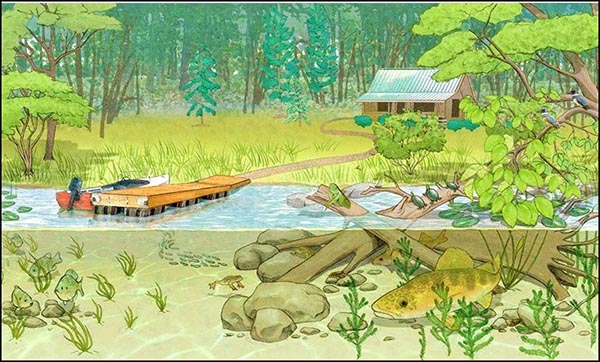
از آنجا که این کار تجربی است، من دیدم امروز از این موضوع حرف بزنم. سالها در این حوزه کار کردم و چون در بسیاری موارد تضاد منافع بود پولی هم نگرفتم، ولی به خاطر یک بدتری مثل تجزیه کشور و سایر مسائل به بیان موضوعات گردشگری حوزه خود ادامه دادم. کار خاصی هم نبودها، مثلا در جایی که خبرگزاری ها سیاه و کثیفش را میدیدند من دو تا بچه را میدیدم که بین درختان مشغول بازی کردن هستند. درختان را میدیدم و فرهنگ لغت ها را ورق میزدم. بعنوان مثال در مورد کشفرود، که یک رودخانه مهم در شمال مشهد هست، خیلی کم کاری شده بود. آنجا که سر زده بودم و درخت توتی کنار نهری دیده بودم عکس و فیلم میگرفتم. از پوشش مردم منطقه عکس و فیلم میگرفتم و به تبلیغ فرهنگ آنها میپرداختم. از مزایای حضور آنها در منطقه میگفتم.
جاهایی بود که در نقشه گردشگری به نظر حرفی برای گفتن نبود، مثلا از زاینده رود الگو میگرفتم. زاینده رود نسبت به کشفرود از نظر پرداخت جلوتره و من سعی میکردم آن را پوشش بدهم. با اینکه در یک کشور بودیم و نقشه راه ایجاب میکرد کاری که در مورد زاینده رود صورت بگیرد در مورد کشفرود هم همان صورت بگیرد، اگر میدیم که ترک فعل میشود و کم کاری است، کاری به کسی نداشتم خودم وارد میشدم و در حد توانم به تشبیه این رودخانه و ویژگی های آن با زاینده رود میپرداختم.
در مورد کشفرود خیلی جای کار هست. مثلا نماینده مجلس برای مردم حاشیه مشهد گریه میکند و نام کشفرود را می آورد. نگاه میکنی وارد جزئیات که میشود منظورش همان شهرک چرم شهر و چند نقطه دور و اطراف است. این وظیفه من بود که نام دو نقطه بالاتر مثل روستای عسگریه و دهشک را هم بیاورم.
همانطور که گفتم برخود منافع هم بود و حتی تفاوت در بیان دیدگاه ها هم بود. مثلا پزشکی قانونی از دید خود به صحنه جرمی که در حاشیه رودخانه بود میپرداخت و بابت این بیان خود در قبال مسئولیت خود درآمد هم داشت. در این صورت پرداختن به آن صحنه از دید گردشگری وظیفه او نبوده و اگر جایی دیدین که در کنار پزشکی قانونی کسی از زیبایی های منطقه حرف زده، خارج از حیطه کاری مشاغل بوده و آدم هایی مثل من به موضوع پرداخته اند.
من سعی کردم حوزه ام را گسترده تر از کشفرود تعریف کنم. در سایر نقاط کشور هم رودخانه وضعیت کم آبی کم و بیش مشابهی دارند. وقتیکه وزیر نیرو سرانه آب هر فرد را 130 لیتر تعیین میکند، من از دید او به طبیعت نگاه نمیکنم. حساب میکنم حیات وحش هم حقابه دارد. منابع طبیعی هم باید بتوانند از این آب بهره ببرند. نه اینکه آبی را در پشت سدها نگه داریم و به مردم بگوییم شما فقط در آن دو سوم نباش که بیش از 130 لیتر مصرف میکنی. روی نقشه میروم و حرف از پارک ها و فضای سبز میزنم.
دشمن هر کس جهل اوست
اینجاست که با من مخالفت میشود. خیلی ها که از قبل هم میدانستم معلوم الحال بوده اند و وقتی حرف از منافع میشود زیر پا را خالی میکنند را در یک دسته قرار میدهم که حتما فقط به آنها تذکر دهم. در طول زمان که از گروه خارج میشوند، برای آنها میگویم که کم کاری کردیم که ترک زدین؟
نه، کم کاری نبوده. فقط موافق نبودند باغ باشد و روستا باشد. آنها زرق و برق شهر را میخواستند و پیشرفت را در کشتار مارمولک ها میدیدن!
بنابراین، یک روی نقشه گردشگری منطقه کار میکنم. دو، گروهی برای تذکر فقط به کسانی میدهم که آب را از حد خود بیشتر مصرف کرده اند. سه، میدانم که آنها نیز گروه های مخالف بیشتری نسبت به من دارند.
یک جا حرف از ورزش زده ام. در این جا، نام مکان به اسم زمین بازی می آید. در این حوزه هم دست زیاد است. مخالف هم زیاد است. مثلا من میگویم اینجا مکانی است برای بازی والیبال. همزمان چند نفر مخالف پیدا میشوند. آن هم درست در حالی که دوی ماراتن کیش با زنان لخت برگزار شده و در کشور صدا کرده.
فرهنگ ورزشی که این چیزها را برنمیدارد. جالب اینکه کلی خبر برای تماشای نامشروع بازی ها ساخته میشود و اینجا میگویی جریان نفوذ مانع از دیده شدن موضوع ورزشی و ارتقای سطح منطقه میشده است. در این حالت هم، باید با ظرافت از کنار افکار تجزیه طلبانه و مانع تراشانه که گاه در قالب والد صورت میگیرد رد شد.
گذاشتن موضوعات ورزشی و گردشگری در کنار حوزه آب و جایی که حرف از پشه و مگس میزنند کار ساده ای نیست. در اینجا حرف از کاشت گیاهانی باید زد که وجود آنها مانع از پشه است. بومی منطقه هم باید باشند.
نگاه کنید، کار یک شهردار و چند نفر حرفه ای در حوزه شهری، روستایی و گردشگری را باید انجام دهید. انتظار کسب درآمد هم نباید داشته باشید. فقط میتوانید امیدوار باشید که آب و هوای بهتری لایق منطقه شود. منطقه ای حفاظت شده باقی بماند و جنگل ها حفظ شوند.
مخالفت بسیار است. از تبدیل شبانه باغها و جنگلها و تغییر کاربری بگیرید که رو برمیگردانند تا سر و صداهای شبانه که گومس گومس سر شما میزنند. بدون توجه به اینها فقط امیدوار باشید و جاهای مختلف نقشه را نگاه کنید که چه کسی در حفظ محیط زیست موفق تر بوده و همان را برای منطقه خود تا حد توانتان اعمال کنید.
_______________________
Acting in line with social responsibility is also an experimental work. After you work for a while, you realize that you have to advertise on different platforms. Sometimes you are the only one who talks about the reality of an entity or phenomenon and the others refuse to express it for various reasons and you continue until your opponents see the positive impact and everyone tries to hinder or stop your progress in some way. Some cheat, some prevent you from earning money, some try to talk like you and some leave your social circle and everyone reacts in some way. Especially when they see that one of them is this.
Since this is an experimental work, I thought I would talk about this topic today. I worked in this field for years and because there was a conflict of interest in many cases, I did not get paid, but because of a worse situation like the disintegration of the country and other issues, I continued to express tourism issues in my field. There was nothing special to do, for example, where the news agencies saw it as black and dirty, I saw two children playing among the trees. I saw the trees and leafed through dictionaries. For example, there was very little done about the Kashfrud, which is an important river in the north of Mashhad. I took photos and videos of the places I had visited and saw a mulberry tree by a stream. I took photos and videos of the people of the region and promoted their culture. I talked about the benefits of their presence in the region.
There were places that seemed to have nothing to say on the tourism map, for example, I took ZayandeRud as an example. Zayandeh Rood is ahead of Kashfrud in terms of coverage, and I tried to cover it. Even though we were in the same country and the roadmap required that the same thing be done about the Zayandeh Rood should be done about the Kashf Rood, if we were to say that the verb was omitted and that there was little to be done, I would have intervened myself and compared this river and its characteristics to the Zayandeh Rood to the best of my ability.
There is a lot to be done about the Kashf Rood. For example, a member of parliament cries for the people on the outskirts of Mashhad and mentions the name of Kashf Rood. If you look closely, he means the same town of Charmshahr and a few nearby points. It was my duty to also mention the names of two higher points, such as the villages of Asgariyeh and Deheshk.
As I said, there were also interests and even differences in expressing opinions. For example, a forensic doctor would look at a crime scene on the banks of the river from his own perspective and would receive income for this statement in return for his responsibility. In this case, addressing that scene from a tourism perspective was not his job, and if you saw someone talking about the beauty of the region alongside forensic medicine, it was outside the scope of the profession and people like me have addressed the issue.
I tried to define my scope wider than Kashafrud. In other parts of the country, rivers are in a more or less similar water shortage situation. When the Minister of Energy sets the per capita water limit at 130 liters per person, I don't look at nature from his perspective. I think wildlife also has rights. Natural resources should be able to benefit from this water. Not that we keep water behind dams and tell people not to consume more than 130 liters in the two-thirds. I go on the map and talk about parks and green spaces.
The enemy of everyone is their ignorance
This is where I get opposed. I put many people in the same category, whom I already knew were already in the clear and who get out of hand when it comes to interests, in a way that I will definitely just warn them. Over time, When they left the group , I told them that did we not do enough to make them leave?
No, it was not a lack of work. They just did not agree that it should be a garden or a village. They wanted the glamour of the city and saw progress in killing lizards!
So, one, I am working on a tourism map of the region. Two, I only give a group to warn those who have consumed more water than they should. Three, I know that they also have more opposing groups than I do.
I talked about sports somewhere. Here, the name of the place comes from the name of the playground. There are many hands in this area too. There are also many opponents. For example, I say that this is a place to play volleyball. At the same time, several opponents are found. And that is right when Marathon of Kish was held with naked women and made a noise in the country.
Sports culture that does not tolerate these things. Interestingly, a lot of news is made for watching games illegally, and here you say that the flow of influence was preventing the issue of sports from being seen and improving the level of the region. In this case, too, one must delicately avoid the separatist and obstructive thoughts that sometimes take the form of a parent.
Putting sports and tourism issues next to the water area and where they talk about mosquitoes and flies is not an easy task. Here, we should talk about planting plants that prevent mosquitoes. They should also be native to the area.
Look, you have to do the work of a mayor and a few professionals in the urban, rural, and tourism fields. You should not expect to make money either. You can only hope that the region will deserve better weather.
There is a lot of opposition. From the nightly conversion of gardens and changes in use that turn people away to the nightly noises that make you dizzy. Regardless of these, just hope and look at different places on the map to see who has been more successful in preserving the environment and apply the same to your region to the best of your ability.
آزادسازی سواحل رودخانه در کنار بزرگراه
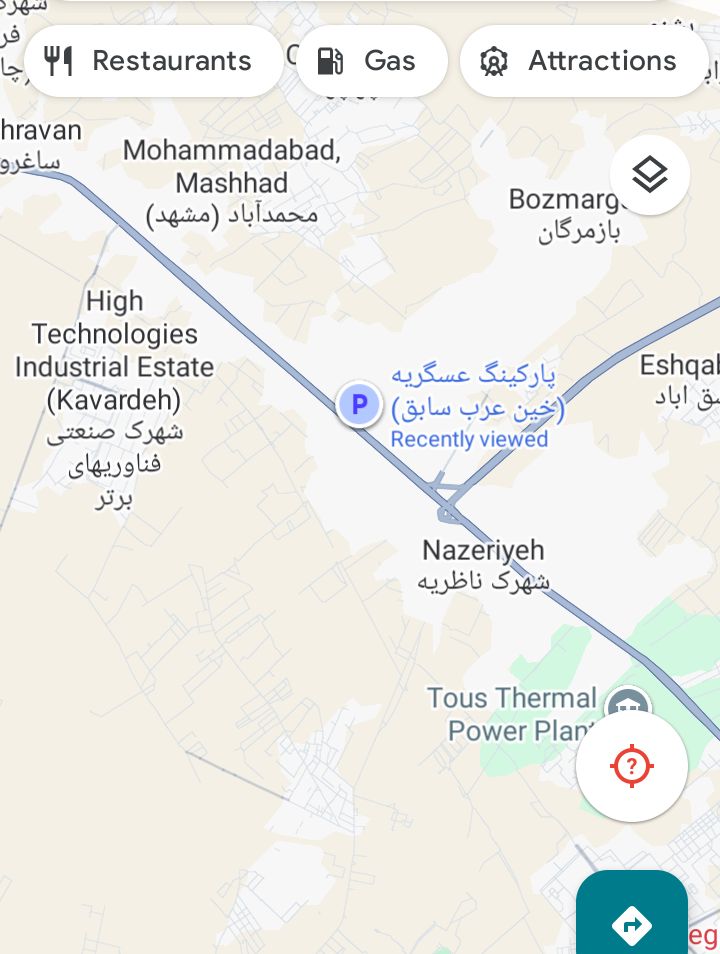
من روستای عسکریه در کنار ساحل کشفرود رفته ام. این روستا مثل خیلی مکان های دیگه آن اطراف شهرتش به درختان توت هست. در آن مکان ها و حوالی درخت توت بقدری ارزش داره که نام کوچه را به نام درخت میزنند. البته این مکان قبلا هم همین طور بوده است و شهر توس به نام درختان توسکا و توس بوده است. اینجا سالها آبادی سرسبزی بوده است و ساحل رودخانه کشفرود که به راحتی میتوان درخت توت صد ساله را آنجا یافت، محل تنفس شمال دشت مشهد بوده است.
حالا چند سالی هست که در سایه بزرگراهی که زده اند، صنایع از نقاط مختلف به این مکان نقل مکان کرده اند و شهرت درختی آن را با افزایش آلاینده ها تحت الشعاع قرار داده اند. کسی که دیگر در خین عرب و جای بزرگراه آن اجازه آلایندگی نداشته به عسگریه نقل مکان کرده و درست در کنار کشفرود سوله احداث کرده و در حال انتشار گازهای آلاینده است. تبلیغ هم میکنند. دیروز تو دیوار آگهی ها را میگشتم و دیدم یکی در سوله بزرگی کلی ماشین انداخته و کارگر روزمزد از شاهنامه و توس استخدام میکنه.
توس و شاهنامه قرار است شهرتشان به آرامگاه فردوسی باشد. قرار است باغات توس در کنار آرامگاه فردوسی جهانی شوند و قرار است سواحل کشفرود آزادسازی شوند. برای همین تصمیم گرفته اند پوشش گیاهی کشفرود تقویت شود و جای سواحل کشفرود گز، بید و نی بکارند تا این رودخانه احیا شود. نه اینکه، یک جای رودخانه اگر قدرت سیاست حفظ محیط زیست زیاد شد و سواحل را از عده ای سودجو آزاد کرد باز شاهد این باشیم که آنجا که قدرت کمتری داشته محل نقل مکان صنایع بوده است. آن ساحل کشفرود را که آزاد کردیم دو قدم بالاتر سوله بزنند و طوری ساحل بالاتر را محو کنند که حتی ساکنین آن هم به یاد نیاورند که روزی آنجا رودخانه بوده است! یک مرکز تامین برق هم برای اینها اختصاص بدهیم که هر قدر آلایندگی درست کنند این هم به آنها اضافه شود و این بار مازوت بسوزاند. طرح تفصیلی هم انقدر طول بکشد که آب رودخانه و آبهای چاه های اطراف از خشکسالی تمام شوند.
برای مسکن و جا برای زندگی هم انقدر جا کم بیاید که اگر هتلی زنجیره ای آنجا یک پارکینگی زد، بشود محل زندگی یک بدبخت بیچاره تحصیل کرده ای که به جز کارگری روزمزد برای او شغلی درست نشده و همین که چهار تا کتابش رو روی زمین پهن کند باید خدایش را شکر کند!
______________________
Relocation of Khin Arab Industries to Askarieh - Kashfrud Beach
I have been to the village of Askarieh, next to the Kashfrud beach. This village, like many other places around it, is famous for its mulberry trees. In those places and around, mulberry trees are so valuable that they name the alley after the tree. Of course, this place has been like that before, and the city of Toos was named after the alder and birch trees. This has been a green settlement for years, and the bank of the Kashfrud River, where you can easily find a hundred-year-old mulberry tree, has been a breathing place for the northern Mashhad plain.
For several years now, in the shadow of the highway they have built, industries have moved to this place from different places, and its reputation for trees has been overshadowed by an increase in pollutants. Someone who was no longer allowed to pollute in Khin Arab and its highway location has moved to Askarieh and built a shed right next to Kashfrud and is emitting polluting gases. They are also advertising. Yesterday I was looking through the wall of advertisements and saw someone in a large shed with a whole bunch of cars and hiring daily wage workers from Shahnameh and Toos.
Toos and Toos are supposed to be famous for the tomb of Ferdowsi. Toos gardens next to Ferdowsi's tomb are supposed to be made international and the banks of Kashfrud are supposed to be liberated. That is why they have decided to strengthen the vegetation of Kashfrud and plant Gaz, willow and reeds in place of the banks of Kashfrud to revive this river. No, if the power of environmental protection policy increases and the banks are freed from some profiteers, we will still see that where it had less power was the place where industries were relocated. They should build a shed two steps higher on that bank of Kashfrud that we liberated and erase the higher bank in such a way that even its residents will not remember that there was once a river there! Let's also allocate a power supply center for them so that no matter how much pollution they create, this will also be added to them and this time they will burn diesel fuel. The detailed plan should also take so long that the water of the river and the water of the nearby wells runs out due to drought.
There is so little space for housing and living space that if a chain hotel were to build a parking lot there, it would become the living space of a poor, educated person who has no job except as a daily wage laborer and who would have to thank God for spreading his four books on the floor!
آنچه از مسیر خانه تا مدرسه میبینید
خونه نزدیک پارک رو که تحویل دادیم رفتیم چند خیابان آنطرف تر. من هر روز صبح بلند میشدم و میگفتم ای بد نیست و بعدازظهر که حجم تردد ماشین ها بالا میرفت میگفتم چه جای بدی ساکن شدیم.
همان خانه نزدیک پارک هم دیگه جای سابق نبود. درختانش رو به خاطر مطب صاحبخانه قطع کرده بودند و 16 واحدی به جای فضای باز و درختانش چند طبقه ساخته بودند. اونجا قرار بود به دلیل تراکم جمعیت مدرسه بشه و کی به این قرارها اهمیت میده، اونم جای وسط شهری که پادگان کنارش به پارک تغییر کاربری داده.
به خیالمان آمدیم کنار شهر و اینجا دیگه فضای سبزه، ولی همین جا هم از دود ماشینها در امان نیستیم. دیروز که قالیباف اومده بود مشهد همه جای توس و مشهد رو آلودگی گرفته بود. یعنی شنبه و روز اول هفته بود و یک حجم دود تحمیلی بابت این داشتیم و یک حجم اضافه تر هم بابت یک روز حضور یک مقام مسئول در کشور. دیروز توس و مشهد، حتی از آذربایجان غربی و شرقی که رزمایش داشتند دودی تر و آلوده تر بود.
تا موضوع آلودگی هوا میشه قضیه سیاسی میشه و جایگاه خبرش پایین می آید. دلیلش هم اینه که در این رابطه مطلب آنقدری زیاد و تکرار شده که هر چند وقت یک بار باید برای آمار دادن بریم و خودمان را در لیست آلوده ترین شهرهای دنیا پیدا کنیم تا ثابت کنیم و بگیم که با آلودگی هوا رودخانه ها که خشک شده اند هیچ، بلکه کانون ریزگرد و آلودگی هوا هم شده اند. این مطلب سیاسی میشه و گل و بلبل کمتری داره و سعی میکنیم کمتر بگیم. این درحالیه که مقابله با آلودگی هوا مربوط به تمام دوره هاست و در خصوص موضوعاتی که با جان مردم درگیر است، هرگونه کار سیاسی یک خطای بزرگ محسوب میشه. امروز ارز را گران کرده اند. دلایل مختلفی هم داره. یکیش اینه که الآن عده بیشتری ایرانی نیاز به ارز مسافرتی دارند و کریسمس باید بروند خارج و ارز خارج میکنند. از آنطرف، قبلا هم اداره مالیات یک تاریخ اول دی ماه داده بود و سخنگوی اصناف گفته بود گران میکنیم. حالا هم همزمان که این ایرانی ها میخواهند بروند خارج و پول هایشان را به سکه تبدیل کنند، دولت یادش آمده که حرف از دوگانه سوز کردن خودروها و گرانی بنزین بزنه. سال 98 هم تو همین آبان و آذر بود که میخواستند بنزین را گران کنند. این گرانی چرا باید این طرف سال باشد و همزمانی با کریسمس داره و سکه خریدن اصلاح طلب ها یک مقدار عجیبه. همزمان یک جایی به اسم شورای خلیج فارس میگه سه تا جزیره تنب بزرگ و کوچک و ابوموسی را تقدیم کنید! شاید این اصلاح طلب ها میروند کریسمس آنطرف و التماس آمریکا و اینها میکنند که ما ناتو میخواهیم. یک سلسله رفتارها در حد حکومتی داریم که تکرار میشوند و پاسخ ها هم همانطور تکرار شونده است. فقط این وسط مشت محکم آمریکا و رژیم صهیونیستی را کم داشته ایم که 23 خرداد 1404 پس از آن سلسله تکرارها، بعنوان عملیات نوآورانه دشمن تقدیم ما شد و بیش از هزار نفر شهید و زخمی داشتیم!
امارات و چند کشور نقطه ای خلیج فارس، اسم خودشان را شورای خلیج فارس گذاشته اند. در این مرحله ادعا کرده اند که میدان گازی آرش متعلق به عربستان و کویته. در صورتی که این خلیج به استناد اسناد تاریخی متعلق به ایران هست و نامش خلیج فارسه. حتی اگر مثل دریای هند سمت شرق کشور خشک بشه که بعدا روی نقاشی بگویند که رود سند از آنجا نمیگذشته، آثارش رو از نقشه های ماهواره ای نمی توانند پاک کنند و ما انتظار نداریم که خلیج فارس رو هم مثل دریای هند خشک کنند که بعد بگویند قطار سریع السیر به جایش میزنیم. ایران هنوز هم مرزهایی داره که با همسایگانش به درستی تعیین نشده اند و منابع طبیعی مشترک مرزها رو تعیین نمیکنند. آنچه که مرزها رو مشخص میکند تاریخ، فرهنگ و جغرافیاست.
امارات، با نقش مافیایی خود در همکاری با جنایات رژیم صهیونی، خیلی همدست آن شده است و در تخریب و بی آب و علف سازی منطقه نقش پر رنگی دارد. از قتل عام مردم سودان تحت عنوان نیروهای واکنش سریع گرفته تا جنوب عربستان و یمن، این اماراتی ها نیرو فرستاده اند، برای گرفتن چاه های نفت و گاز منطقه. فقط خط و نشان نیست که میکشند. هر قدر از چاه های نفت و گاز و طلا برداشت میکنند، همانقدر خرج سلاح و کشتار میکنند. این طور نیست که عربستان هم بیکار نشسته باشه. از آنطرف میگه که آن صحرایش (مرداب سابقش) را داره جنگل کاری میکنه و از آنطرف میبینیم چنان طوفانی به هوا بلند شد که تنها یک عامل آن را توجیه میکند و آن هم آزمایش های هسته ای هست. آمریکا از توافق هسته ای با روسیه خارج شده و در حال انجام آزمایش های هسته ای هست. امارات روی دیگه یک سکه است که آن روی دیگه اش رژیم صهیونیستی هست.
با وجود اینها ما یکسره باید لرزه ها و پس لرزه ها رو چک کنیم. ببینیم دلار چطور پرید و هر چند وقت یک بار خلیج فارس و مسجد الاقصی سرتیتر اخبار بشوند. هم مسجد الاقصی آثارباستانی هست که شکننده شده و هم خلیج فارس. از هر دوی اینها به عنوان میراث طبیعی و آثار باستانی باید به یک اندازه حفاظت صورت بگیرد. آن کسی که امروز پایه های مسجد الاقصی را سست میکنه دیروز قنیطره سوریه را با خاک یکسان کرده. خبری از آثار باستانی و طبیعت در آن منطقه نیست. اینها تنظیم کننده رطوبت منطقه بودند. آن آمریکایی از جزایر قناری و جاهای خوش آب و هوا کنترل جنگ و مرزهای کشورهای منطقه رو میخواهد در دست بگیره.
________________________
We moved a few streets away from the house near the park that we had handed over. I would wake up every morning and say, "Oh, it's not bad," and in the afternoon, when the traffic volume increased, I would say, "What a bad place we've settled in."
That house near the park was no longer the same place it used to be. The trees had been cut down for the landlord's office, and 16 units had been built instead of the open space and the trees. It was supposed to be a school there because of the density of the population, and who cares about these appointments, it's in the middle of the city, and the barracks next to it have been converted into a park.
We thought we were near the city, and here it was green space, but even here we are not safe from the smoke of the cars. Yesterday, when Ghalibaf came to Mashhad, all of Toos and Mashhad were polluted. That is, it was Saturday and the first day of the week, and we had an imposed amount of smoke for this, and an additional amount for the day an official was present in the country. Yesterday, Toos and Mashhad were even smoggier and more polluted than West and East Azerbaijan, where they were conducting military exercises.
When it comes to air pollution, the issue becomes political and its news status drops. The reason is that there has been so much and repeated talk about this issue that every now and then we have to go to the statistics and find ourselves on the list of the most polluted cities in the world to prove and say that the rivers that have dried up due to air pollution have not only become centers of dust and air pollution. This issue becomes political and has less to say and we try to say less. This is while dealing with air pollution is relevant to all periods and any political work on issues that affect people's lives is considered a big mistake. Today, they have made the currency expensive. There are various reasons. One is that now more Iranians need travel currency and have to go abroad for Christmas and export currency. On the other hand, the tax office had previously given a date of January 1st and the spokesperson for the guilds had said that we would make it expensive. Now, at the same time that these Iranians want to go abroad and exchange their money for coins, the government has forgotten to talk about making cars dual-fuel and increasing the price of gasoline. In 2019, they wanted to increase the price of gasoline in November and December. Why should this increase be this year? It coincides with Christmas. And the reformists' buying of coins is a bit strange. At the same time, a place called the Persian Gulf Council is saying to donate the three islands of Big and Little Tunb and Abu Musa! Maybe these reformists will go over there for Christmas and beg America and they will say that we want NATO. We have a series of behaviors at the level of a government that are repeated, and the responses are also repeated. Only in the meantime, we have lacked the strong fist of America and the Zionist regime, which on June 13, 1404, after that series of repetitions, was donated to us as an innovative operation by the enemy, and we had more than a thousand martyrs and wounded!
The Emirates and several countries in the Persian Gulf have named themselves the Persian Gulf Council. At this stage, they have claimed that the Arash gas field belongs to Saudi Arabia and Kuwait. However, this gulf belongs to Iran according to historical documents and is called the Persian Gulf. Even if it dries up like the Indian Ocean to the east of the country, and later they say on a painting that the Indus River did not pass through there, they cannot erase its traces from satellite maps, and we do not expect them to dry up the Persian Gulf like the Indian Ocean and then say that we will build a high-speed train in its place. Iran still has borders that are not properly defined with its neighbors and do not define the common natural resources of the borders. What defines the borders is history, culture, and geography.
The UAE, with its mafia role in cooperating with the crimes of the Zionist regime, has become very complicit in it and has played a prominent role in the destruction, dewatering, and weeding of the region. From the massacre of the people of Sudan under the guise of rapid reaction forces to southern Saudi Arabia and Yemen, these Emiratis have sent forces to seize the region's oil and gas wells. They are not just drawing lines and signs. The more they extract from the oil, gas, and gold wells, the more they spend on weapons and killing. It is not like Saudi Arabia is sitting idle. On the other hand, he says that he is reforesting his desert (his former swamp), and on the other hand, we see such a storm that only one factor justifies it, and that is nuclear tests. The United States has withdrawn from the nuclear agreement with Russia and is conducting nuclear tests. The Emirates is one side of a coin, the other side of which is the Zionist regime.
Despite all this, we absolutely must check the tremors and aftershocks. Let's see how the dollar jumped and how often the Persian Gulf and Al-Aqsa Mosque make headlines. Both Al-Aqsa Mosque are ancient monuments that have become fragile, and so is the Persian Gulf. Both of these should be protected equally as natural heritage and ancient monuments. The person who is weakening the foundations of Al-Aqsa Mosque today razed Quneitra, Syria, to the ground yesterday. There is no mention of ancient monuments or nature in that area. These were the regulators of the region's humidity. That American from the Canary Islands and places with good weather wants to take control of the war and the borders of the countries in the region.