
Hello Abroad
This Weblog is for Foreingers
Hello Abroad
This Weblog is for Foreingersدرباره من
 از اونهام که می گم آدم بایست حرف خودشو بزنه، اما یاد گرفتم که هر حرفی رو تو جاش بزنم، اینجا، هرچی می خوام رو می گم
ادامه...
از اونهام که می گم آدم بایست حرف خودشو بزنه، اما یاد گرفتم که هر حرفی رو تو جاش بزنم، اینجا، هرچی می خوام رو می گم
ادامه...
تریاک و مشتقات آن
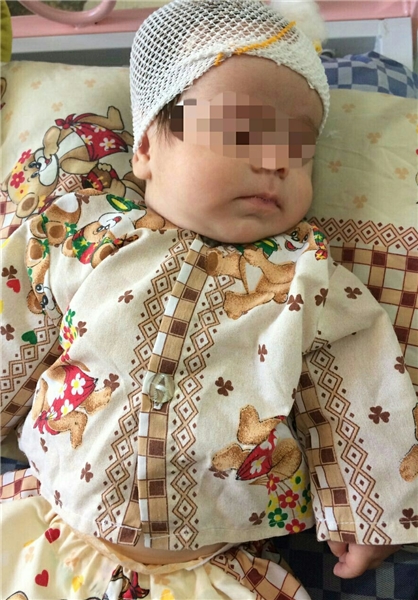
«نازنین» نوزاد سه ماههای است که به دلیل مصرف شیره تریاک دچار مسمومیت شدید شده و چند روزی است که در بخش (NICU) مراقبتهای ویژه نوزادان بیمارستان بستری است.
اگر شما یا کسی که میشناسید با مشکل اعتیاد به سو مصرف تریاک مواجه است، این مقاله میتواند اطلاعات مفیدی را در اختیار شما قرار دهد. در ادامه با ما همراه باشید تا بیشتر در مورد شربت تریاک، کاربردها، عوارض و روشهای درمانی مرتبط با آن بدانید. این اطلاعات برای کسانی که به دنبال راهی برای رهایی از این اعتیاد هستند، بسیار مفید است. تیم کلینیک اینهنگ در کنار شماست تا قدمبهقدم این مسیر درمانی را طی کنید.
سو مصرف تریاک در اقلام متنوعی شامل تریاک خام، شیره و شربت آن میباشد.
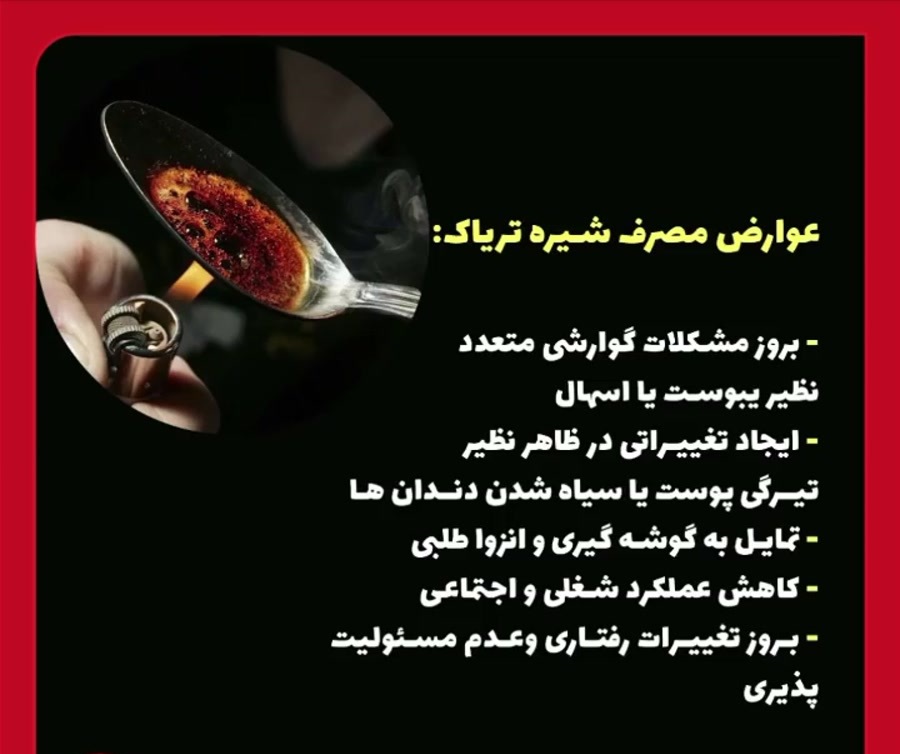
چگونه میتوان از اعتیاد به شربت تریاک رهایی یافت؟
درمان اعتیاد به شربت تریاک معمولاً شامل کاهش تدریجی مصرف، استفاده از داروهای جایگزین، و درمانهای روانشناختی تحت نظارت پزشکان متخصص است.
شیره تریاک مخدری خطرناکتر از تریاک
تفاوت فراوری تریاک و شیره :
تریاک، شیره خشک شده گیاه خشخاش است که از خراشیدن غنچههای این گیاه به دست میآید. تریاک حاوی حدود ۱۲ درصد مرفین و سایر آلکالوئیدهای اپیوئیدی است.
اما شیره تریاک، محصول فراوری شده و تصفیه شده تریاک است. برای تهیه شیره، ابتدا تریاک و سوخته (باقیمانده تریاک پس از استفاده) را در آب داغ حل میکنند. سپس با گرم کردن و غلیظ کردن، شیره تریاک را تصفیه مینمایند.
در این مرحله مواد به دست آمده را از صافی رد کرده و حرارت می دهند تا سفت شود. شیره تریاک حاوی ترکیبات تریاک محلول در آب شامل مورفین و کدئین است، اما موادی مانند پاپاورین و نوسکاپین در شیره تریاک وجود ندارند زیرا محلول در آب نیستند.
تفاوت شکل ظاهری شیره با تریاک خام
شیره ظاهری تیرهتر، چسبناکتر و براقتر دارد، درحالیکه تریاک معمولاً رنگ قهوهای یا سیاه، با بافتی ناهموار و خشکتر دارد. بوی شیره شبیه به آمونیاک است و تریاک بویی شبیه به افیون دارد 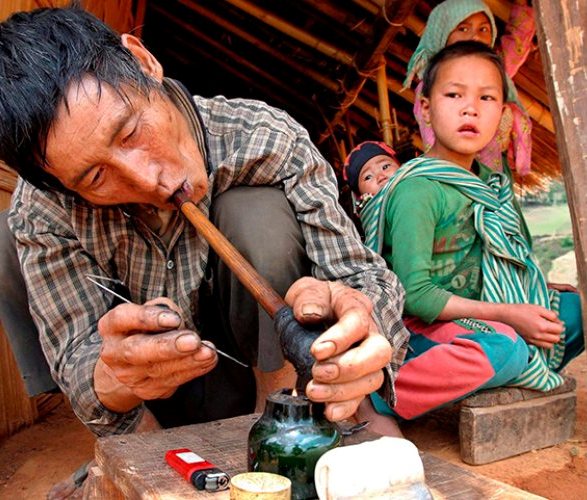
آیا روش مصرف شیره و تریاک با هم تفاوت دارد؟
بله. تریاک معمولاً از طریق دود کردن یا خوراکی مصرف میشود، درحالیکه شیره اغلب از طریق تزریق مصرف میشود و جذب سریعتری دارد. این تفاوتها در روش مصرف میتواند منجر به تفاوتهایی در سرعت اثر و شدت عوارض شود.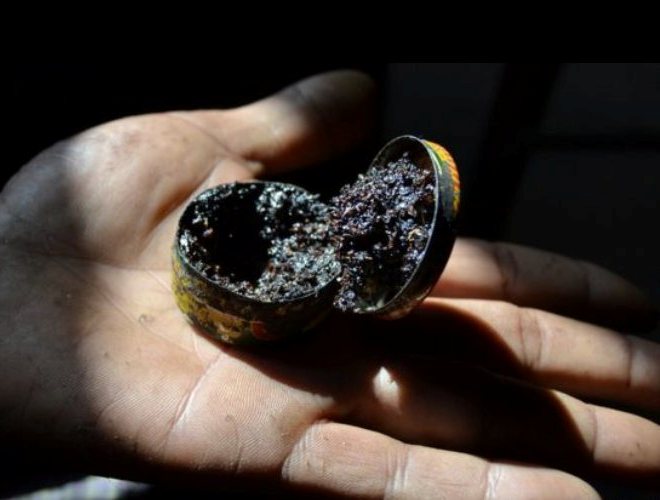
شیره تریاک باعث کاهش اضطراب و ایجاد آرامش می شود ، آنها همچنین حالت سرخوشی ایجاد می کنند و خلق و خوی فرد را بهبود می بخشند. به همین دلیل است که آب تریاک به عنوان یک ماده مخدر اعتیاد آور محسوب می شود. در صورت وجود علائمی مانند مشکلات سیستم عصبی مرکزی، مشکلات تنفسی و بزرگ شدن قرنیه چشم، باید به مسمومیت با شیره تریاک مشکوک بود. یکی از مهم ترین عوارض مصرف آب تریاک تاثیر آن بر مغز و نخاع است. در برخی تحقیقات پزشکی تایید شده است که بین اعتیاد به آب تریاک و بیماری های قلبی عروقی و سکته قلبی رابطه مستقیم وجود دارد. از دیگر عوارض مصرف آب تریاک می توان به تشنج، تیرگی صورت، مشکلات کبدی، سردردهای شدید، حالت تهوع و غیره اشاره کرد.
آیا میتوان شیره تریاک را خانگی تهیه کرد؟
بله، شیره تریاک میتواند در خانه تهیه شود. برای تهیه آن، بهتر است از تریاک طبیعی و خام استفاده شود و سپس با مخلوط کردن آن با آب، در قابلمه به مدت حدود ۳ تا ۴ ساعت افزودنیهایی مانند دارچین و کنجد به آن داده شود. پس از آن، شیره تریاک آماده استفاده خواهد
بود.
تریاک و مشتقات آن؛ ماده افیونی که در قدیم برای تسکین درد استفاده میشد اما به منظور خوشی کوتاه مدت استفاده میشه
خشخاش تریاک
روغن دانه خشخاش به دلیل دارا بودن درصد بالای اسید لینولئیک (68٪) از نظر سلامت، از اهمیت زیادی برخوردار است و به پایین آمدن سطح کلسترول خون در بدن انسان کمک می کند و همچنین در معالجه بیماری های قلبی و عروقی در سیستم انسانی کاربرد دارد.
صابون خشخاش یکی از صابون های طبیعی است و با خواص زیادی که دارد یک صابون ضد لک قوی محسوب می شود. این صابون از ترکیب روغن آفتابگردان، روغن خشخاش، روغن نارگیل، هیدروکسید سدیم، گلیسیرین بهداشتی و آب مقطر به وجود آمده است. این محصول برای رفع مشکلات پوست و مو بسیار مفید می باشد. خشخاش گیاهی گل دار است که طبعی سرد و خشک دارد
سمزدایی پزشکی (Detox)
در سمزدایی، بدن فرد تحتنظر تیم پزشکی از مواد مخدر پاکسازی میشود.
این فرایند میتواند در بیمارستان، کلینیک ترک اعتیاد یا کمپهای تخصصی انجام شود و معمولاً با دارو و مراقبتهای پزشکی همراه است تا علائم ترک کاهش یابد.
مرکز ترک تریاک
میزان مصرف و مدتزمان وابستگی فرد به تریاک، نقش بسیار مهمی در روند ترک و پیچیدگی آن دارد. برخلاف باور اشتباهی که برخی افراد دارند مبنی بر اینکه میتوان مصرف ...
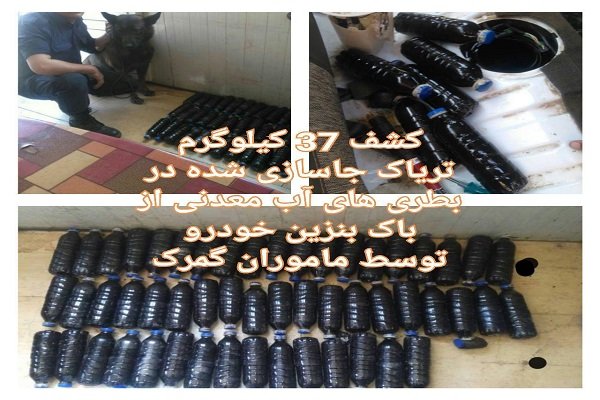
در آخر بد نیست اشاره کنیم که شیرهکشخانهها از حدود قرن ۱۶ میلادی در ایران شروع به کار کردند. اما رضاشاه این اماکن را تعطیل و اداره آنها را ممنوع نمود. با وجود این، در سال ۱۳۱۱ شمسی، حداقل هشت شیرهکشخانه به صورت رسمی در محله باغ فردوس تهران فعالیت می کردند.
خاتمه
سالها آرزوی تاسیس مرکزی برای تحقیقات و آموزش و درمان و اطلاع رسانی درباره مواد مخدر را داشتم.
مرکزی که با داشتن یک ازمایشگاه مجهز بتواند هر نوع مخدر موجود و جدیدی را که وارد بازار مواد مخدر ایران می شود را تشخیص دهد و با داشتن یک قسمت اطلاع رسانی قوی که هر خبر و یا تحقیقات علمی انجام شده در رابطه با مواد مخدر و داروهای ترک اعتیاد را به سرعت در اختیار هموطنان قرار دهد؛ جایی برای تحقیق اموزش و درمان درباره مواد مخدر روانگردان، اما اکنون که دیگر به اواخر عمر نزدیک شدم و تحقق این آرزو به نظرم ممکن نیست، بر خودم لازم می دانم انچه را که باید سالها پیش دیگران درباره اعتیاد و مواد مخدر و راههای ترک اعتیاد می نوشتند و امروز باید اجرا می شد را در جایی بنویسم و این امید را داشته باشم که بعد از من افراد دیگری با بینش کافی و بدور از تعصبات این راه را ادامه دهند.
_____________________
"Nazanin" is a three-month-old baby who suffered severe poisoning due to opium syrup consumption and has been hospitalized in the neonatal intensive care unit (NICU) for several days.
If you or someone you know is facing the problem of opium addiction, this article can provide you with useful information. Stay with us to learn more about opium syrup, its uses, side effects, and related treatment methods. This information is very useful for those who are looking for a way to get rid of this addiction. The Inhang Clinic team is with you to walk this treatment path step by step.
Opium abuse comes in a variety of items, including raw opium, its syrup, and its syrup.
How can you get rid of opium syrup addiction?
Treatment for opium addiction usually involves gradual reduction in consumption, use of alternative drugs, and psychological therapies under the supervision of specialist doctors.
Opium syrup is a more dangerous drug than opium
Difference in opium processing and sap:
Opium is the dried sap of the poppy plant, which is obtained by scraping the buds of this plant. Opium contains about 12% morphine and other opioid alkaloids.
However, opium sap is a processed and refined product of opium. To prepare the sap, first the opium and the burnt (residue of opium after use) are dissolved in hot water. Then the opium sap is purified by heating and concentrating.
At this stage, the obtained material is filtered and heated until it hardens. Opium sap contains water-soluble opium compounds, including morphine and codeine, but substances such as papaverine and noscapine are not present in opium sap because they are not soluble in water.
The difference in appearance of sap from raw opium
Sap has a darker, more viscous and shiny appearance, while opium is usually brown or black in color, with a rough and drier texture. The smell of sap is similar to ammonia, and opium has a smell similar to opium
Is there a difference in the way sap and opium are consumed?
Yes. Opium is usually consumed by smoking or eating, while sap is often consumed by injection and is absorbed more quickly. These differences in the method of consumption can lead to differences in the speed of effect and the severity of side effects.
Opium sap reduces anxiety and creates relaxation, they also create a state of euphoria and improve a person's mood. This is why opium juice is considered an addictive drug. If there are symptoms such as central nervous system problems, breathing problems and enlarged corneas of the eyes, opium sap poisoning should be suspected. One of the most important side effects of opium juice consumption is its effect on the brain and spinal cord. Some medical studies have confirmed that there is a direct relationship between opium juice addiction and cardiovascular diseases and heart attacks. Other side effects of opium juice consumption include seizures, facial flushing, liver problems, severe headaches, nausea, etc.
Can opium juice be prepared at home?
Yes, opium juice can be prepared at home. To prepare it, it is best to use natural and raw opium and then mix it with water in a pot for about 3 to 4 hours and add additives such as cinnamon and sesame. After that, the opium juice will be ready to use.
Poppy plant and Poppy
Poppy seed oil is of great importance in terms of health due to its high percentage of linoleic acid (68%) and helps to lower blood cholesterol levels in the human body and is also used in the treatment of cardiovascular diseases in the human system.
Poppy soap is one of the natural soaps and is considered a strong stain-resistant soap with its many properties. This soap is made from a combination of sunflower oil, poppy oil, coconut oil, sodium hydroxide, hygienic glycerin, and distilled water. This product is very useful for solving skin and hair problems. Poppy is a flowering plant that has a cold and dry nature.
Medical Detox
In detoxification, a person's body is cleansed of drugs under the supervision of a medical team.
This process can be done in a hospital, addiction treatment clinic, or specialized camps and is usually accompanied by medication and medical care to reduce withdrawal symptoms.
Opium Withdrawal Center
The amount of consumption and the duration of a person's dependence on opium play a very important role in the withdrawal process and its complexity. Contrary to the mistaken belief that some people have that it can be consumed ...
Finally, it is worth mentioning that the sap houses started operating in Iran around the 16th century. But Reza Shah closed these places and banned their operation. Despite this, in 1932, at least eight liquor shops were officially operating in the Ferdows garden, neighborhood of Tehran.
For years, I had dreamed of establishing a center for research, education, treatment, and information about drugs.
A center that, with a well-equipped laboratory, could identify any existing or new drug that enters the Iranian drug market, and with a strong information section that would quickly provide any news or scientific research conducted on drugs and addiction treatment drugs to its compatriots; a place for research, education, and treatment about psychotropic drugs. But now that I am nearing the end of my life and I do not think it is possible to fulfill this wish, I consider it necessary for myself to write somewhere what others should have written about addiction and drugs and ways to quit addiction years ago and should be implemented today, and I hope that after me, other people with sufficient insight and free from prejudices will continue this path.
طلب و اراده در رجعت
از دیرباز علاقه به رجعت و جاودانگی در انسان ها بوده است و برای آن هزینه میکرده اند: اینکه انسان زندگی جاودانه داشته باشد و پس از مرگ، زندگی دوباره ای را تجربه کند.
با باستانشناسی اهرام مصر، فرعونیان بسیاری را مومیایی شده پیدا کرده اند. در آن زمان که فرعون خدا خوانده میشد، او خود میدانست که میمیرد، ولی اعتقاد داشت روزی به کالبد خود برمیگردد. از این روی تواناترین انسان ها را برای کالبدشناسی و مومیایی کردن بدنش پس از مرگ برمیگزید تا به بهترین نحو آنچه از او باقی مانده است را نگه دارند تا آن روز که انسان آموخت چطور روح را به کالبد بدن کنترل شده منتقل کند او یکی از کسانی باشد که طلب و اراده بازگشت در کالبدش داشته است.
از آن زمان فرزندان حضرت آدم به صورت های مختلف که زندگی پس از زندگی را تجربه کرد به این می اندیشید که کدام مخلوقات خدا خواب میبینند و کدام ها روحشان توانایی جداشدن از بدن دارند که پس از خواب به آن برگردند. اگر آن انسان نسل نو به این علم دست می یافت تکلیف خیلی از وصیت کننده ها و سرمایه گذاران در این زمینه روشن بود: آنها که ادعای خدایی میکردند، و آنها برای ستاندن حق از باطل چشم به گذر زمان دوخته بودند، در اولویت استفاده از این علم رجعت بودند. برای ما ایرانیان نیز دور نیست آن زمان که نتیجه سرمایه گذاری در این زمینه را ببینند، کما اینکه ما شاهد بوده آیم کسانی مثل دکترحسابی، آن زمان که خاک کره ماه ارزان بود یک تکه زمین به نام خواجه نصیر الدین طوسی خرید و از آن زمان ارزشش بالاتر رفته است.
هر دو گروه حق و باطل در جستجوی دستیابی به اکسیر جوانی و علم رجعت برای جاودانگی هستند. تفاوت در نوع جستجو است که اخلاقی باشد یا نه باشد. در این جستجو فریب باشد و یا پایبندی به علوم دینی و اخلاق اسلامی.
________
Humans have long been interested in return and immortality, and they have paid for it: that humans have eternal life and experience a new life after death.
With the archaeology of the Egyptian pyramids, many pharaohs have been found mummified. At that time, when the pharaoh was called God, he himself knew that he would die, but he believed that one day he would return to his body. Therefore, he chose the most capable humans to embalm his body after death in order to best preserve what was left of him so that on the day when man learned how to transfer the soul to a controlled body, he would be one of those who had the desire and will to return to his body.
Since then, the children of Adam, in various ways, who experienced the afterlife, wondered which of God's creatures dream and which of their souls had the ability to separate from the body and return to it after sleep. If the new generation of people had access to this knowledge, the task of many bequesters and investors in this field would have been clear: those who claimed to be God, and who were looking to the passage of time to distinguish truth from falsehood, would have prioritized using this science of return. For us Iranians, the time is not far when we will see the results of investing in this field, as we have witnessed people like Professor Hasabi, who bought a piece of land named after Khwaja Nasir al-Din Tusi when the moon dust was cheap, and its value has increased since then. Both groups of truth and falsehood are in search of achieving the elixir of youth and the science of return for immortality. The difference is in the type of search, whether it is ethical or not. In this search, there may be deception or adherence to religious sciences and Islamic ethics.
در باکو چه خبر است؟
من قبلاً یک تحقیق سرانگشتی از همسایه شمالغربی، جمهوری آذربایجان، کرده ام:
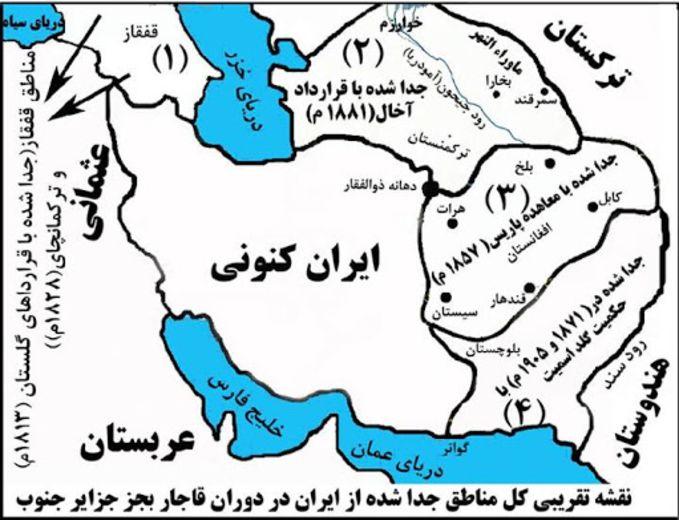
اینها اساسا کتابخانه عمومی به آن معنا که ما تاکنون داشته ایم، ندارند که با آن تاریخ بخوانند، چه برسد به اینکه بخواهند تاریخ و نحوه جدا شدن خاکشان از ایران در دوران قاجار را بخوانند!
حال که تنش ایران- اسرائیل بالا گرفته و یک چند گروه تروریستی صهیونیستی در مرز ایران و آذربایجان مستقر شدند و یک چند دعوت از فراماسونرها برای جنبش فراماسونری در باکو صورت گرفت و قبلش هم شهادت مشکوک شهید رئیسی و تیم همراه او در سانحه سقوط بالگرد در نزدیکی مرز جمهوری آذربایجان صورت گرفت، علی اف رئیس جمهور آذربایجان رونمایی کرد:
دولت علیف از ایران خواسته ۲.۵۳ میلیون دلار اجاره بابت ۳۰ سال استفاده از ساختمانهایی بپردازد که همه آنها را قبلا خریداری کرده. باکو میگوید اجاره زمین زیر ساختمانها حتی در صورت خرید آنها توسط یک کشور خارجی باید پرداخت شود. یک مرکز فرهنگی، یک مرکز آموزشی و دفتر صدا و سیما در خطرند!
ضمنا کوریدور زنگزور هم که دالانی است بین جمهوری آذربایجان و ارمنستان درست در مرز ایران رو هم میخواهند بگیرند! اینجاست که باید بگیم در آذربایجان چه خبره؟
جالب اینکه با همه این شهادت ها در جنگ 12 روزه و استفاده از خاک آذربایجان برای حملات نیابتی اسرائیل به ایران، مسعود پزشکیان به عنوان رئیس جمهور ایران میگه باید ببینیم ما چه کرده ایم که این قوم و خویش ما باهامون اینطور رفتار میکنه!
مثلا، زمان حکومت حزب بعث در عراق ما چه کرده بودیم که این حزب بهمون حمله کرد؟
جز اینکه در میدان دیپلماسی موفق بودیم و میخواست پیروزی را در میدان نبرد از ما بگیرد؟
چه کردیم؟
جز اینکه قبل از جنگ ۸ ساله سال ۵۹ در فوتبال دوستانه ایران-عراق داشت گل میخورد، یک بار اونجا بهمون حمله نظامی کرد؟
در همین جنگ قره باغ، ما به تحکیم روابط جمهوری آذربایجان و ارمنستان کمک کردیم. حتی در این حال شهید دادیم.
بشماریم که ما چقدر دوستانه با اینها رفتار کردیم و در عوض اینها با ناسپاسی و کوچک و بی مقدار شمردن ما حقمان را ضایع کردن و در عوض آنچه خود داشت را ز بیگانه طلب کردند!
چشم انداز پیش رو با این دولت های همسایه را باید در اندیشه های خصمانه و تجزیه طلبانه برای ایران جستجو کرد، نه چیز دیگر.
______________________
I have already done a cursory research on the northwestern neighbor, the Republic of Azerbaijan:
They basically do not have a public library in the sense that we have had so far, with which to read history, let alone want to read the history and how their land was separated from Iran during the Qajar era!
A rough map of the separated regions of Iran during the Qajar era
Now that Iran-Israel tensions have escalated and several Zionist terrorist groups have settled on the Iran-Azerbaijan border, and several invitations have been made to Freemasons for the Freemasonry movement in Baku, and before that, the suspicious martyrdom of Shahid Raisi and his team in a helicopter crash near the border of the Republic of Azerbaijan, Azerbaijani President Aliyev has announced:
The Aliyev government has asked Iran to pay $2.53 million in rent for 30 years of use of buildings that it has already purchased. Baku says that the rent for the land under the buildings must be paid even if they are purchased by a foreign country. A cultural center, an educational center, and the office of the Iranian Broadcasting Corporation are at risk!
They also want to seize the Zangezur Corridor, which is a corridor between the Republic of Azerbaijan and Armenia, right on the border of Iran! This is where we need to say what is going on in Azerbaijan?
Interestingly, with all these martyrdoms in the 12-day war and the use of Azerbaijani soil for Israeli proxy attacks on Iran, Masoud Pezeshkian, as the President of Iran, says that we should see what we have done to make our people and relatives treat us like this!
For example, during the Baath Party's rule in Iraq, what had we done to make this party attack us?
Apart from being successful in the field of diplomacy and wanting to take away our victory on the battlefield?
What did we do?
Apart from the fact that before the 8-year war in 1979, Iran-Iraq was scoring goals in a friendly football match, and once they attacked us there militarily?
In the same Karabakh war, we helped strengthen relations between the Republic of Azerbaijan and Armenia. We even gave martyrs during this time.
Let us count how friendly we have been with them, and in return, they have wasted our rights by being ingratitude, belittling us, and demanding from foreigners what they had instead!
The future prospects with these neighboring states should be seen in hostile and separatist ideas for Iran, nothing else.
لیست قتل عام های صهیونیست
قابل توجه اون کسانی که میگن تقصیر حماس بود که حمله ۷ اکتبر رو انجام داد.
لیست برخی از جنایات صهیونیست ها قبل از تاسیس حمـاس :
1.قتل عام حیفا1937
2.قتل عام قدس 1937
3.کشتار حیفا1938
4.قتل عام بلد الشیخ1939
5.کشتار حیفا1939
6.قتل عام حیفا1947
7.کشتار العباسیه1947
8.قتل عام الخصاص1947
9.کشتار باب العمود1947
10.کشتار قدس1947
11.قتل عام الشیخ بریک1947
12.کشتار یافا و دیر یاسین1948
13.قتل عام خان یونس 1956
14.قتل عام قدس 1967
15.کشتار صبرا و شتیلا 1982
حمـاس در سال 1987 تاسیس شد
لیست بالا فقط جنایات قبل از 1987 است
چندین برابر این جنایات بعد از 1987 و قبل از ۷ اکتبر انجام شد.
نمونه آن قتل عام فلسطین سال ۲۰۰۰ بود. آن زمان هم به مردم فلسطین گرسنگی داده بودند و از سلاح های نامتعارف مثل بمب فسفری استفاده کرده بودند. یه بیست سال زمان برده که کشورهای مختلف در سواحل غزه سرمایه گذاری کردند و بیمارستان به نام های اسپانیا و اندونزی و سازمان ملل تأسیس کردند که پس از آن اغلب قریب به اتفاق زیر بمب های چند تنی یک سال اخیر رژیم صهیونسیتی نابود شدند.
تاکنون طرح های سازش رژیم صهیونی با حماس از آنجا که یکطرفه به نفع آمریکا و اسرائیل بسته شده اند موفقیت آمیز نبوده است.
لازم به ذکر است که رژیم صهیونی حتی به کسانیکه با او سازش داشته اند رحم نداشته و در روزهای اخیر کرانه باختری را نیز بسرعت در حال بلعیدن در خود است.
_______________________
Notable are those who say it was Hamas' fault that it carried out the October 7 attack.
List of some of the crimes committed by the Zionists before the establishment of Hamas:
1. Haifa Massacre 1937
2. Al-Quds Massacre 1937
3. Haifa Massacre 1938
4. Balad Al-Sheikh Massacre 1939
5. Haifa Massacre 1939
6. Haifa Massacre 1947
7. Al-Abbasiyah Massacre 1947
8. Al-Khasas Massacre 1947
9. Bab Al-Amoud Massacre 1947
10. Al-Quds Massacre 1947
11. Al-Sheikh Barik Massacre 1947
12. Jaffa and Deir Yassin Massacre 1948
13. Khan Yunis Massacre 1956
14. Al-Quds Massacre 1967
15. Sabra and Shatila Massacre 1982
Hamas was established in 1987
The above list is only the crimes before 1987
Several times these crimes were committed after It was carried out since 1987 and before October 7.
An example of this was the Palestinian massacre in 2000. At that time, they also starved the Palestinian people and used unconventional weapons such as phosphorus bombs. It took twenty years for various countries to invest in the Gaza coast and establish hospitals in the names of Spain, Indonesia, and the United Nations, after which most of them were almost destroyed under the multi-ton bombs of the Zionist regime in the last year.
So far, the Zionist regime's reconciliation plans with Hamas have not been successful because they have been unilaterally closed in favor of America and Israel.
It should be noted that the Zionist regime has shown no mercy even to those who have made compromises with it, and in recent days it has also been rapidly swallowing the West Bank.
برون سپاری دهه نودی های امروز
زمانی که دبیرستان میرفتم و به سن دهه نودی های الان ۱۴-۱۵ ساله بودم برای گرفتن رتبه مسابقات با همسن های خودم در رقابت بودم. در این رقابت آدمهای کمی رقیبم نبودن، مخصوصا سطح استانی به این ور. مثلا میدیدی دختر مسئول آموزش و پرورش و یا فلان مسئول رقیبته. آن زمان مثل الان هم آنقدر الکی نبود. در عدالت بیشتری دختر مسئول باید با ما رقابت میکرد.
من اونجا برای اولین بار از زبان دختر یک مسئول متوجه شدم که پدر مادر اینها که معمولاً هر دو شاغلند روزهایی می آید که هر دو باید بروند سفر کاری و بچه ها رو تو خونه که نه، ولی لابد خونه پدربزرگ و مادربزرگ تنها بگذارند.
برام وقتی از دختره پرسیدن که پدر مادرت نیستند ناراحت نمیشی؟ جالب بود که گفت چرا، اولش، ولی وقتی برمیگردند میگیم چرا زود برگشتین؟!
یعنی نبودن حضور پدر مادر در آن سن برایشان فضایی فراهم میکرد که احساس تفریح بیشتری بکنند.
البته این برای نسل جدید هم کم و بیش بوده، ولی شرایط فرهنگی امروز با دیروز فرق کرده. امروز به جرئت میتونیم بگیم خانواده های بیشتری از فرزندان خود میخواهند تو خونه تنها بمونند. تعداد بیشتری از پدرها و مادرها به دلیل ماموریت همزمان هردو، فرزندان خود را در خانه تنها میگذارند، و جای پدربزرگ و مادربزرگ را هم پرستار کودکی، خانه داری کسی از بیرون گرفته. یعنی فرض خانواده های بیشتری اینه که وقت گذاشتن برای نظارت بر اعمال و رفتار بچه ها لزوما وظیفه خودشان نیست و آن را برای کم کردن هزینه ها مثل خیلی کارهای دیگر در جامعه برون سپاری میکنند!
در این شرایط دیگه فقط صحبت از یک مسئول و دو مسئول خاص نیست. طیف وسیعی از جامعه را در بر میگیره. فرهنگ خانواده ها عوض شده و تعداد بیشتری به برون سپاری وظیفه تربیت فرزند فکر میکنند. حالا عکس العمل بچه های اینها مشابه همه؟
کاش بود. من در دسته تفریح های جمعی دختر مسئول آموزش پرورش مثلا دیدم با بالش بازی در تاریکی شب و ترساندن از جن در همان فضا میانه بدی ندارد. ماها که خانواده بالا سرمان بوده از این کارها نمیکردیم، ولی حالا نسل امروز ببینه پدر مادرش بالا سرش نیست به همون اندازه شیطنت بازی های دهه شصتی ها کفایت میکنه یا سطح بالاتری داره؟
مطمئنا تعداد بیشتری از خودشان تا قبل از رسیدن پدر مادرها بازی را تا حد آتیش پارگی پیش میبرند. این طور هم نیست که خانواده ها فرزندان خود را پیش پدربزرگ و مادربزرگ بگذارند. یک وقت میبینی حتی بچه ها از سر لج خانه را به آتش و آتش بازی میکشند که چرا ما رو تو خونه تنها گذاشته اند!
خانواده، آن نقش نظارتی کافی را بازی نمیکند و اینجاست که میگی دوره عوض شده. اینجاست که میگی دیگه این مسئول تولید وسایل آتش بازیه که تنها طرف این بچه هاست. اونه که باید تولیداتش رو کم خطر تولید کنه!
امروز هوش مصنوعی گوگل رو ملزم کرده اند که سن زیر هجده سال بچه ها را تخمین بزند و اجازه دسترسی آنها به هر محتوایی را که مناسب سنشان نیست ندهد.
به این فکر کنید که نوجوان های تنها رها شده در خانه ها با تفکرات متفاوت خطرناکی زیاد شده اند.
اونقدر هم وضعشان وخیم است که یکی مثل من و خانم پرستار اینها که دیر به صحنه میرسد و یا حتی در صحنه قرار است شریک جرم فرض شود، از آنها اعلام برائت میکند.
در چنین شرایطی، آیا کودک مظلوم غزه در گرسنگی و قحطی دریافته میشود؟
خانواده ها که از نظر مالی وضع خوبی داشته اند که فرزند این چنین آتش پاره ای تحویل جامعه بدهند که سرشان شلوغ مشکلات خانوادگی این چنینی است وقت نمیکنند به چیز دیگری فکر کنند.
به هر حال، این وظیفه من بود در قبال آنها که بگویم و گوشزد کنم که در اموال این خانواده ها که توسط فرزندانشان چنین برباد میرود و اسراف میشود سهمی برای فقرا بود، از جمله کودکان مظلوم فلسطین.
________________
When I was in high school and in the 1990s, I was 14-15 years old, competing with my peers to get a ranking in competitions. In this competition, I had few competitors, especially at the provincial level. For example, you would see the daughter of the education and training officer or some other official as your competitor. Back then, it wasn't as bad as it is now. In fairness, the daughter of an official should have competed with us.
There, I first learned from the daughter of an official that parents, who are usually both employed, sometimes have to go on business trips and leave the children at home, but not at their grandparents' house.
When they asked the girl, "Aren't you upset that your parents aren't here?" It was interesting that she said, "Why, first of all, but when they come back, we'll say, 'Why did you come back so early?!'" That is, the absence of parents at that age provided them with a space to feel more fun.
Of course, this was more or less the case for the new generation, but today's cultural conditions are different from yesterday. Today, we can boldly say that more families want their children to stay home alone. More and more fathers and mothers are leaving their children home alone due to simultaneous missions, and the grandparents' place has been taken by a babysitter or someone else's housekeeper. This means that more families assume that taking the time to monitor the actions and behavior of their children is not necessarily their responsibility and that they outsource it to reduce costs, like many other tasks in society!
In these circumstances, it is no longer just about one or two specific responsible persons. It covers a wide range of society. The culture of families has changed and more and more people are thinking about outsourcing the task of raising children. Now, are the reactions of these children the same as everyone else?
I wish it were. In the group of collective entertainments, for example, I saw that the girl in charge of education and upbringing had no bad idea about playing with pillows in the dark of night and scaring the genie in the same space. We, who had a family, didn't do these things, but now that today's generation sees that their parents are not in charge, is the mischief of the games of the sixties enough or is it at a higher level?
Certainly, more of them will continue playing the game until the fire breaks out before their parents arrive. It's not like families leave their children with their grandparents. At one point, you'll even see children stubbornly setting the house on fire and playing with fireworks, wondering why they left us alone at home!
The family doesn't play that sufficient supervisory role, and this is where you say that times have changed. This is where you say that it's the fireworks manufacturer who is the only one on the side of these children. They should produce their products in a low-risk manner!
Today, Google's artificial intelligence has been required to estimate the age of children under eighteen and not allow them to access any content that is not appropriate for their age.
Think about the number of teenagers left alone in their homes with dangerously different ideas.
Their situation is so dire that someone like me and the nurse, who arrives late to the scene or is even supposed to be an accomplice, declares them innocent.
In such a situation, will the oppressed child of Gaza be found hungry and in famine?
Families who are financially well-off to hand over such a child to society, who are busy with such family problems, do not have time to think about anything else.
Anyway, it was my duty to tell them and point out that in the property of these families, which is being wasted and squandered by their children, there was a share for the poor, including the oppressed children of Palestine.