
Hello Abroad
This Weblog is for Foreingers
Hello Abroad
This Weblog is for Foreingersدرباره من
 از اونهام که می گم آدم بایست حرف خودشو بزنه، اما یاد گرفتم که هر حرفی رو تو جاش بزنم، اینجا، هرچی می خوام رو می گم
ادامه...
از اونهام که می گم آدم بایست حرف خودشو بزنه، اما یاد گرفتم که هر حرفی رو تو جاش بزنم، اینجا، هرچی می خوام رو می گم
ادامه...
دولت لبنان به کجا میرود؟
رژیم صهیونیستی دو شب پیش با اجرای بمباران موزاییکی گسترده و استفاده همزمان از چند نوع موشک، منطقه المُصیْلح در نزدیکی شهر صیدای لبنان را هدف حمله هوایی قرار داد. این بمباران به نابودی بیش از سیصد دستگاه جرثقیل، لودر و ماشینآلات حفاری متعلق به شرکتهای خصوصی منجر شد و از نظر میزان خسارت مادی، حادثهای کمسابقه به شمار میآید. اما آنچه این حمله را از یک عملیات صرفاً نظامی فراتر میبرد، پیام سیاسی و امنیتی آن است؛ چرا که بمباران در نزدیکی منزل نبیه بری، رئیس مجلس لبنان صورت گرفت؛۲ اقدامی که بسیاری از ناظران آن را پیامی مستقیم و هشدارآمیز از سوی رژیم صهیونیستی به محور مقاومت و رهبری سیاسی لبنان ارزیابی میکنند.
روز بعد از آن نیز دو انفجار در نزدیکی بیمارستان «صدر» منطقه زینبیه دمشق در سوریه رخ داد. قبل از آن تجمع ضد شیعی در آن منطقه صورت گرفته بود.
در هر دو اتفاق هولناک دو اتفاق یک مورد مشترک است و آن هدف قرار گرفتن جامعه شیعی شامات است. جامعه شیعی شامات، قبل از آنکه امام موسی صدر به لبنان برود و پایگاه شیعیان را در آن تقویت کند، در مناطق فقیر نشین و با وضع اقتصادی نامطلوب زندگی میکردند. در آن زمان، تقسیم بندی قدرت سیاسی هم در دست گروه های سنی و مسیحی بوده است. این هم جالب است که همه آنها گروه های سنی، و گروه های مسیحی، جداگانه شاخه نظامی داشتند. در قانون اساسی لبنان آمده است که هر گروه سیاسی اجازه داشتن شاخه نظامی دارد. شیعیان چون گروه سیاسی نبودند و تا زمان امام موسی صدر، هیچ چیز نداشتند. حتی وضع اقتصادی مناسب، چه برسد که شاخه نظامی داشته باشند.
اینگونه شد که با پایگذاری های بسیار زیادی که امام موسی صدر در لبنان انجام داد، قدرت شیعیان به محور مقاومت افزوده شد. امام موسی صدر، نه تنها پایه های مقاومت را در لبنان و منطقه شامات گسترده کرد، بلکه در آفریقا، الجزایر، نیجر و سودان نیز تلاش کرد تا هسته های مذهبی شیعی را قدرتمند کند، و همه این کارها را با آموزه های دینی، بیان زیبا و مستدل و برقراری ارتباط بین المللی با هم پی میگرفت. رژیم صهیونیستی که باور نمیکرد یک سید مسلمان ایرانی بتواند چنین جهان اسلام را زنده کند، طرح حذف او را آغاز کرد.
در ابتدا در طول دوران پهلوی این سید را تحت نظر گرفته (به جهت تحت نظر بودن پدر بزرگوارشان، آیت الله صدر) و سپس تمام حرکات او را پی گرفته، به مرحله ای رسید که ایشان در عرصه بین المللی شخصی شناخته شده و تاثیر گذار شد. آنگاه با همکاری فالانژیست های لبنان، صهیونیستها و به شکل خائنانه ای، معمر قذافی، این سید بزرگوار در سفرش به لیبی ربوده شد و پس از آن مورد بزرگترین ناپدیدسازی تاریخ قرار گرفت و خبرها تا مدت ها از آن میرسید که در زندان های صهیونیست ها نگهداری میشود، یا در لیبی بوده و حکومت پست معمر قذافی در لیبی هیچ پاسخی از وضعیت او که بعنوان مهمان شریف ایرانی در لیبی به سر میبرد، به ایران نداد.
معمر قذافی، کسی بود که چهل سال به مردم آفریقا خدمت کرد تا آنها از زیر بار استعمار و حکومت دست نشانده پس از آن بیرون بیاورد و معنی استقلال را دریابند، اما به چند دلیل و با کمک دست های جریان استعمار، همان خود او را نیز به طرز فجیعی سرنگون کردند. معمر قذافی در سر به نیستی موسی صدر، بعنوان رهبر محبوب ملتی در همان نزدیکی، در لبنان، نقش موثری داشته است.
نبش امل در سال ۱۹۷۱ توسط سید موسی صدر و مصطفی چمران پایهگذاری شد. در زمان جنگ داخلی، جنبش امل برای حفظ کیان و جان شیعیان به دفاع از مردم پرداخت. هماکنون نبیه بری دبیرکل جنبش امل است.
در ادامه این گزارش با اشاره به اینکه رئیس جمهور لبنان، ژوزف عون، برای حل مشکلات، با نبیه بری رئیس مجلس و حزب الله تماس میگیرد، مواضع دوگانه او را بررسی میکنیم:
بعد از اعلام انصراف سلیمان فرنجیه به نفع ژوزف عون، بسیاری اعلام کردند که ژوزف عون تنها شانس ریاست جمهوری لبنان به شمار میرود. چون به طور دستکاری شده ای توسط آمریکا و فرانسه و غرب، مدت هاست که کابینه لبنان تشکیل نمیشود و هر نخست وزیر نمی تواند از قدرت نخست وزیریش تا پایان دوره استفاده کند. از سال 1388 که در ایران فتنه 88 صورت گرفت، در لبنان تشکیل دولت ها با چالش مواجه بوده و مردم لبنان مدت ها عادت کرده اند که بدون داشتن دولت و حکومت زندگی کنند. دوره های شش ماهه، نه ماهه و صدو پنجاه روزه برای نداشتن دولت برای مردم لبنان عادی شده بود. نزدیک 15 سال است که وضع تشکیل دولت در لبنان از حالت عادی خارج شده و گروه های مختلفی که تشکیل دهنده ساختار سیاسی در لبنان هستند، نمی توانند به جمع بندی برای تشکیل حکومت در لبنان برسند. شیعیان در این مدت، با ایثار و فداکاری از حقوق خود کنار میروند، تا با قانون اساسی ضعیف لبنان، علی رغم اینکه قوی ترین پایگاه مردمی در لبنان را دارند، نخست وزیری را به یکی از اشخاص مسیحی تقدیم کنند.1
از سویی دیگر، با وجود این که کاملا مشخص است که به چه دلیل نبیه بری از سیاست دوستی با ایران و حزب الله لبنان پیروی میکند، ژوزف عون مواضع متفاوتی میگیرد:
گزافه گویی های مجدد عون: پیام ما عدم دخالت در امور داخلی لبنان است
رئیسجمهور لبنان در گفتوگویی با شبکه سعودی بدون اشاره به دخالتهای آمریکا و تعیین تکلیف برای دولت این کشور برای خلع سلاح مقاومت، گفت: «پیام ما روشن است و آن عدم دخالت ایران در امور ماست.»
این اظهارات درحالی است که لاریجانی دبیر شورای عالی امنیت ملی ایران در سفر به لبنان تاکید کرد که ایران هرگز در امور داخلی این کشور دخالت نکرده است.
______________
1- طبق قانون اساسی لبنان، نخست وزیر حتما باید مسیحی باشد، رئیس جمهور سنی باشد و رئیس مجلس میتواند شیعه باشد. زبان عربی زبان رسمی کشور است و قانون موارد استفاده از زبان فرانسه را تعیین خواهد کرد.
_____________________________________________________
Two nights ago, the Zionist regime carried out a widespread mosaic bombing and the simultaneous use of several types of missiles, targeting the Musileh area near the Lebanese city of Saida( Sidon). This bombing led to the destruction of more than three hundred cranes, loaders and drilling machines belonging to private companies and is considered an unprecedented incident in terms of the amount of material damage. However, what makes this attack more than a purely military operation is its political and security message; because the bombing took place near the home of Nabih Berri, the speaker of the Lebanese parliament;2 an action that many observers consider a direct and warning message from the Zionist regime to the axis of resistance and the Lebanese political leadership.
The next day, two explosions occurred near the Sadr Hospital in the Zainabiyah area of Damascus in Syria. Before that, an anti-Shiite rally had taken place in that area.
In both horrific incidents, the two incidents have one thing in common: the targeting of the Shiite community of the Levant. Before Imam Musa al-Sadr went to Lebanon and strengthened the Shia base there, the Shia community of the Levant lived in poor areas with unfavorable economic conditions. At that time, the division of political power was also in the hands of Sunni and Christian groups. It is also interesting that all of them, Sunni groups and Christian groups, had separate military branches. The Lebanese constitution states that each political group is allowed to have a military branch. The Shiites were not a political group and until the time of Imam Musa al-Sadr, they had nothing. Even a suitable economic situation, let alone a military branch. Thus, with the many initiatives that Imam Musa al-Sadr made in Lebanon, the power of the Shiites was added to the axis of resistance. Imam Musa al-Sadr not only expanded the bases of resistance in Lebanon and the Levant region, but also tried to strengthen the Shia religious cores in Africa, Algeria, Niger and Sudan, and he pursued all these works with religious teachings, beautiful and reasoned expression, and establishing international relations. The Zionist regime, which did not believe that an Iranian Muslim leader could revive such an Islamic world, began a plan to eliminate him.
Initially, during the Pahlavi era, they monitored this leader (due to his being under the supervision of their venerable father, Ayatollah Sadr), and then followed all his movements, reaching a stage where he became a well-known and influential figure in the international arena. Then, with the cooperation of the Lebanese Phalangists, the Zionists, and treacherously, Muammar Gaddafi, this venerable leader was kidnapped on his trip to Libya and was then subjected to the greatest disappearance in history. For a long time, there were reports that he was being held in Zionist prisons, or that he was in Libya, and that the corrupt government of Muammar Gaddafi in Libya did not give Iran any answers about his status as an honored Iranian guest in Libya.
Muammar Gaddafi was someone who served the people of Africa for forty years to free them from the burden of colonialism and the puppet government that followed and to help them understand the meaning of independence, but for several reasons and with the help of the hands of the colonialist movement, he himself was tragically overthrown. Muammar Gaddafi played an effective role in the demise of Musa Sadr, as the popular leader of a nearby nation, in Lebanon.
The Amal Movement was founded in 1971 by Sayyid Musa Sadr and Mustafa Chamran. During the civil war, the Amal Movement defended the people to protect the life and soul of the Shiites. Nabih Berri is currently the Secretary General of the Amal Movement.
In the following, this report will examine the dual positions of Lebanese President Joseph Aoun, noting that he is contacting Parliament Speaker Nabih Berri and Hezbollah to resolve the problems:
After Suleiman Franjieh announced his resignation in favor of Joseph Aoun, many declared that Joseph Aoun was the only chance to become the president of Lebanon. Because manipulated by America, France and the West, the Lebanese cabinet has not been formed for a long time and every prime minister cannot use the power of the prime minister until the end of his term. Since 2009, when the 88 sedition took place in Iran, forming governments in Lebanon has faced challenges and the Lebanese people have long been accustomed to living without a government. Periods of six months, nine months and one hundred and fifty days of not having a government had become normal for the Lebanese people. For nearly 15 years, the situation of forming a government in Lebanon has been out of the ordinary and the various groups that make up the political structure in Lebanon cannot reach a conclusion on forming a government in Lebanon. During this time, the Shiites are sacrificing their rights in order to present a Christian as prime minister with the weak Lebanese constitution, despite having the strongest popular base in Lebanon. 1
On the other hand, despite the fact that it is quite clear why Nabih Berri follows a policy of friendship with Iran and Hezbollah in Lebanon, Joseph Aoun takes different positions:
Aoun's renewed exaggerations: Our message is non-interference in Lebanon's internal affairs
In an interview with the Saudi network, without referring to American interference and setting a task for the government of this country to disarm the resistance, the Lebanese president said: "Our message is clear and that is Iran's non-interference in our affairs."
These statements come at a time when Larijani, the secretary of Iran's Supreme National Security Council, emphasized during a visit to Lebanon that Iran has never interfered in the internal affairs of this country.
______________
1- According to the Lebanese constitution, the prime minister must be a Christian, the president must be a Sunni, and the speaker of parliament can be a Shiite. Arabic is the official language of the country, and the law will determine the cases in which French is used.
جریان آنفالو و لغو ازدواج این روزها
دیروز صبحم رو با کیک شروع کردم. یک خانم شاغل پرمشغله بودم که در بهترین حالت پولش قدر یک کیک پر شکر رسیده و صبح وقتی برای لقمه نان پنیر نگذاشته.
حالا در واقعیت، چندان اینطوری نبود و یکی داشت در سبک زندگی من دخالت میکرد: کیک پز خانه
ما خیلی در اموراتش پس از ارتباطاتش با شبکه های اجتماعی نمیتونیم دخالت کنیم. میره تو این شبکه ها و سایت ها و حتی برای اینکه نفهمیم نام کاربریش چه چیز بوده، به جز اینکه پاکشون میکنه، یکی هم جدا برای روز مبادا داره که اگر بهش گفتیم کجایی؟ بگه مثلا من اینجام
همون موقع که پر شکر شده بودم و این حد از شکر آدم سالم و جوان پرتحرک رو از پا درمیاره، چه برسه به سنین و وضعیت های مختلف دیگه، رفتم که برای خودم چایی بریزم که دیدم بعله، این داره اول صبحی، کیک درست میکنه. تخم مرغ ها رو داشت با جدیت تمام مخلوط میکرد و خیلی مشغول شد.
حتی اگر یکی جلویش صدبار با قندهایی که به خوردش میده، جان بدهد باز هم کیک میپزه.
میدونستم که این حرف رو بارها یک جایی خونده و خودم هم بهش گفته ام که با ترک مصرف شکر حدود شش ماه علاوه بر ثبات قند خون، کاهش وزن به سلامت کلی خواهید رسید و ریسک ابتلا به دیابت نوع 2، بیماری های قلبی و پیری زودرس کاهش می یابد.
فقط در این حد گفتن بسنده کردم که میشه توی کیکت امروز شکر نریزی؟
خیلی به ندرت کیک میپزه و اگر بگی امروز میخوام که کیک بپزی، میگه حوصله ندارم و باشه وقتی که دلم بخواهد.
حالا دو روزه مثل وظیفه، داره کیک با دستورهای مختلف کیک پزی میپزه.
گفتیم امروز چه خبره؟ روزی موسوم به روز دختر؟ روز جهانی کیک؟ این روز دختر مثل جشن عروسی قرار شده که هفت شبانه روز با انبوهی از کیک های تخم مرغی شکری پر شود؟
جشن تولد ما انقدر کیک نمیپزد که در چنین روز سیاسی گونه ای قصد پخت کیک کرده.
لباس ضدمین بپوشیم و در حالی که عوارض مضرات خوردن این کیک رو برعهده گرفته ایم کیک را برش بزنیم؟
دلخوری من به تقریبا همه، غیر از خود او حسابی منتقل شده بود. بوی کیک به مشامت خورده باشه و نخواهی بخوری؟
سهم تو از زندگی چیست؟
خلاصه اینکه گذشت و نفهمیدم چطور تمام آن صحنه های پخت کیک و تولیدات آن از صحنه محو شد. گو اینکه کسی حد مصرف کیک را نه برای من، بلکه برای سایر اعضای خانه گفته بود.
هنگام شب که رسید، با سروصدای دختران در محله حدس میزدم که جریانی سیاسی ادامه دار در حال رخ دادن است. آن از صبح که قرار بود برای روز دوم با کیک شروع شود و آن از شب که میخواستم بخوابم و در ذهنم محو شدن سرو صداهای همسایه ها را تداعی میکردم که یعنی من آنها را نخواهم شنید و شبی آرام در خواب خواهم داشت.
قبل از خواب مروری کردم به وقایع شبکه های اجتماعی: مهم ترین آنها سفید شویی باهنر بود. همانکه گفته بود فقط ده درصد مردم حزب اللهی هستند و باقی حزب شیطانن!
تو تلویزیون آوردنش جلو دوربین و این گفت من یک ساعت حرف زدم و شما همان یک کلمه من را برداشته این؟ چه بگویم که منظورم روشها بوده است و نه کلمه ها!
هر دو تلویزیون و آقای باهنر، خرسند از رابطه پدر و پسری برنامه را خاتمه دادند و کلمه حزب الله به تاریخ پیوست و ما خیلی سعی کردیم که بلغور کنیم تغییر پارادایم، یعنی تغییر در روشها و این چه دستاورد مهمی برای جامعه بشریت بوده است.
این آقای باهنر چه بگوید که دوربین و تریبون دستش است و ما وقتی میخوایم یک کلمه درباره موسی صدر ناپدید شده حرف بزنیم، با این روزهای دختر و کلمات نغوریده به جای پرداختن به اصل ماجرا اول باید بگوییم که چه روز و شب نچسبی را به خیر گذرانده ایم.
جامعه بشریت امروز صبح هم جشن گرفته بود. من شبکه های اجتماعی رو باز کردم و پر شدم از تولیدات هوش مصنوعی: دختری که خودش را متصل به سیاست ورزش و جوانان دولت میدانسته، حجاب کامل داشته و برنامه هوش مصنوعی تولید کرده که بگه: دو هزار سال پیش زنان موی آویزان داشته اند و چیزی سرشان نبوده است.همزمان، آن چینی که رابطه متقابل هم داشت، رقص و آهنگی چینی پخش میکرد و چند نفری هم که اراده مشابهی داشتند پخش زنده کنفرانس رایگان در وتساپ رو تبلیغ میکردند.
دستم درد گرفت، از اینکه یک ساعت این ایرانی های اسپانسر شده رو آنفالو کنم.
مشغول آنفالو کردن بودم که یاد جناب خواستگاری افتادم که چند روز پیش من رو آنفالو کرده بود. جریان هم از این قرار بوده که به آنها در شبکه تلگرام یک چیزی گفته شده بود که منجر به آنفالو کردن در شبکه های غیر آن میشد.
صبح از خواب بیدار شدیم و دیدیم در کانال های ما برحسب میزان کاربران دنبال کننده، لغو دنبال زده اند و این برای کانال های نزدیک تر به جریانات دیگر ممکن بود به صدهزار و دویست هزار نفر برسد.
از آن جناب خواستگار خنده ام گرفته بود. یک زمانی اگر بین دوست و آشنا به جای کلمه خواستگار از خواستار استفاده میکردم، معنیش پایین آمدن سطح اجتماعیم بود که یعنی حتی خودش هم انقدر محتاج یک خواستگاره که اگر حرف میزنه، میگه خواستاری داشتم!
تا همین حد کلمات مهم بودند بین ما. دقیقا باید کلمه خواستگار را بدون تشابه استفاده میکردیم و معنیش نزدیک بودن فرد بود و جای داشتن در قلب او که منجر به خواستگاری میشده است. آن زمان هم دوست پسر و دوست دختر داشتیم و خواستگار تفاوت کلاسیک بالایی داشت و خانواده او که درگیر ماجرا میشدند، معنیش این بود که پیش آن پسر و خانواده انقدر اجر و قرب داشته ای که به خواستگاریت بیایند.
در دوره گذاری که هتل ها جای میزبانان فامیلی را میگرفتند، هنوز فالو و آنفالو کردن مفهوم اجتماعی خاصی بین مردم نداشت.
یک خانواده هایی بودن که زمان زیادی را برای خواستگاری رفتن به خانه دخترها سپری میکردن. یک واسطه ای بود که معرفی میکرد و اینها راهی خانه دختر میشدن. من شماره یکی از آنها را نگه داشتم و یک دفعه او را عضو یک کانالی کردم.
این فکر خوبی بود. اگر او خواستگار طی این یکی دو دهه قبل بود، یعنی انقدر در قلبش و یا خانواده اش جای داشتم که هنوز شماره من را ذخیره نگه داشته باشند. با کمال تعجب، روزی که جریان سیاسی تلگرام موضوعی را مطرح کرده بود، مثل گروه های نفوذی در کانال ها که لغو عضویت باید بزنند، این همزمان آمده بود بیرون.
حالا این خواستگاره، آن زمان خواستار بوده؟
شاید. ای بسا، خواستار فالو کننده بوده. خودم دیدم که چقدر عرق داشته و من رو آنفالو کرده. با خودم فکر میکنم که اگر آن خواستگاری منجر به ازدواج میشد، چند درصد احتمال وجود داشت که آن ازدواج سیاسی با شبکه های اجتماعی متزلزل بشه و پس از آنفالو کردن لغو ازدواج بشه!
____________________________________
Yesterday I started my morning with cake. I was a busy working woman who, at best, had enough money to buy a sugary cake and didn't have time for a piece of cheese bread in the morning.
Now, in reality, it wasn't so much like that and someone was interfering in my lifestyle: a cake maker
We can't interfere much in her affairs after her connections to social networks. She goes to these networks and sites and even so that we don't know what her username was, besides deleting them, she has one separately for the day in case we ask her where are you? She can say, for example, I'm here
At that moment, I was full of sugar and this amount of sugar would knock out a healthy and active young person, let alone other ages and situations, I went to pour myself some tea when I saw, oh my, she was making a cake first thing in the morning. She was mixing the eggs with all seriousness and she got very busy.
Even if someone dies in front of her a hundred times from the sugar she feeds her, she will still bake a cake.
I knew she had read this somewhere many times and I have told her myself that by quitting sugar for about six months, in addition to stabilizing her blood sugar, you will achieve overall health by losing weight and reducing your risk of type 2 diabetes, heart disease and premature aging.
Did I just say that can you not put sugar in your cake today?
She bakes cakes very rarely and if you say I want you to bake a cake today, she says I am not in the mood and that it is okay when I feel like it.
Now for two days, she has been baking cakes with different cake recipes as if it were her duty.
We said what is going on today? A day called Girls' Day? International Cake Day? This Girls' Day is like a wedding party, filled with a multitude of sugary egg cakes for seven days and nights?
Our birthday party doesn't bake so many cakes that she decided to bake a cake on such a political day.
Should we wear anti-mine clothing and cut the cake while we are taking on the harmful effects of eating this cake?
My annoyance had been transmitted to almost everyone, except for him. The smell of the cake has hit your nose and you won't eat it?
What is your share of life?
In short, it passed and I didn't understand how all those scenes of baking the cake and its products disappeared from the scene. It was as if someone had said the limit of cake consumption not for me, but for the other members of the house.
When night came, I guessed from the noise of the girls in the neighborhood that an ongoing political process was taking place. From the morning when it was supposed to start with cake for the second day and from the night when I was about to sleep and I imagined the disappearance of the noises of the neighbors in my mind, which meant that I wouldn't hear them and would have a peaceful night's sleep.
Before going to bed, I reviewed the events on social networks: the most important of them was the whitewashing of Bahonar. As he had said, only ten percent of the people are Hezbollah members, and the rest are the party of Satan!
He was brought to the camera on TV and he said, "I spoke for an hour and you took away my one word." What can I say, I meant methods, not words!
Both the TV and Mr. Bahonar, happy with the father-son relationship, ended the program, and the word Hezbollah went down in history, and we tried very hard to talk about the paradigm shift, that is, the change in methods, and what an important achievement this has been for the human community.
What can Mr. Bahonar say when he has the camera and the podium in his hands, and when we want to say a word about the disappearance of Musa Sadr, with these days of girlhood and unspoken words, instead of addressing the essence of the story, we should first say what a day and night of inaction we have spent.
The human community was celebrating this morning as well. I opened social media and was filled with artificial intelligence products: a girl who considered herself connected to the government's sports and youth policy, wore a full hijab and created an artificial intelligence program that said: Two thousand years ago, women had hanging hair and nothing on their heads. At the same time, the Chinese who also had a mutual relationship was broadcasting a Chinese dance and song, and several people with the same intention were advertising a free conference live broadcast on WhatsApp.
My hands hurt from unfollowing these sponsored Iranians for an hour.
I was in the middle of unfollowing when I remembered the matchmaker who had unfollowed me a few days ago. The situation was that they had been told something on the Telegram network that would lead to unfollowing on other networks.
We woke up in the morning and saw that they had unfollowed our channels based on the number of users following them, and for channels closer to other trends, this could reach 100,200,000 people.
I laughed at that matchmaker. Once upon a time, if I used the word matchmaker instead of the word matchmaker between friends and acquaintances, it meant that my social status had dropped, which meant that even he needed a matchmaker so much that if he spoke, he would say that I had a matchmaker!
That's how important words were between us. We had to use the word matchmaker without any similarity, and it meant being close to the person and having a place in their heart, which led to a matchmaker. At that time, we had boyfriends and girlfriends, and the matchmaker had a high classical difference, and his family, who got involved in the matter, meant that you had been so kind and generous to that boy and his family that they came to propose to you.
In the era when hotels replaced family hosts, following and unfollowing still had no special social meaning among people.
There were families who spent a lot of time going to the girls' houses to propose. There was a middleman who introduced them, and they went to the girl's house. I saved one of their numbers and at one point added him to a channel.
That was a good idea. If he had been a suitor for a decade or two, I would have been important enough to his heart or his family that they still had my number saved. With a comma Surprisingly, the day the Telegram political stream raised a topic, such as groups in the channels that should be unsubscribed, this came out at the same time.
Now, was this suitor a suitor at that time?
Maybe. Or maybe, he was a suitor for a follower. I saw for myself how much he sweated and unfollowed me. I think to myself that if that suitor had led to marriage, what percentage of the chances were there that that political marriage would be shaken by social media and the marriage would be annulled after the unfollowing!
بازار تره بار؛ از واقعیت تا رویا
تره بار انواع مختلفی دارد و میوه و سبزی را شامل میشود. میوه،
تره باری است که حاوی دانه است و انسان معمولا دانه های آن را نمیخورد. از
این نظر سبزیجات شامل جعفری و کرفس مانند سیب، تره باری هستند که دانه
ندارند. خیار، گوجه و بادمجان نیز در دسته میوه و سبزی تره بار قرار
میگیرند.
بازار تره بار معمولاً میوه های تازه با قیمت مناسب و
اغلب عمده فروشی می آورد که چون براساس نرخ نامه است و بر آن نظارت صورت
میگیرد کمتر تخلف گران فروشی در آن رخ می دهد.
با این حال در
حال حاضر افزایش هزینه های تولید از جمله هزینه بسته بندی، نگهداری، حمل
ونقل و دستمزد کارگر، در کنار کاهش عرضه برخی محصولات فصلی، فشار مضاعفی بر
بازار وارد کرده است. باغداران می گویند هزینه های کاشت و برداشت به شدت
بالا رفته و قیمت نهایی در میدان مرکزی دیگر پاسخگوی هزینه تولید نیست. این
موضوع باعث شده قیمت پایه در مبدأ به صورت زنجیره ای بر کل بازار تأثیر
بگذارد.
اکنون می خواهم مدل بازارهای تره بار خودمان را با چین
مقایسه کنم. بازار تره بار داخلی به شکل محدود در مناطق مشخص شده و در
اختیار تعداد معدودی از افراد دارای مجوز میدان بار است. در چین مدل
متفاوتی که شامل حمایت از فروش پراکنده بدون نیاز به مجوز در هر جای کشور
وجود دارد. همچنین برای خرید تضمینی هم دولت مدلی حمایتی قرار داده است.
این دو بخش حمایتی دولت، آخرین چیزی است که از یک زیرساخت اقتصادی در چین
دیده میشود. در کشور چین سرمایه گذاری در بخش تولید جایگاه ویژه ای دارد و
دولت این کشور از هرآنچه تولید خوانده میشود تا حد ممکن حمایت میکند. قریب
به چند دهه است که شاهد سیاست گذاری های هدفمند در بخش کشاورزی این کشور
هستیم. چندی پیش، مستندی دیدم که نشان میداد روستایی در چین حول یک درخت
شکل گرفته بود. خانوادهای با کاشت یک درخت آغاز کردند، و چون کارشان رونق
گرفت، در همانجا ساکن شدند. دولت با مشاهده این موفقیت، آزمایشگاهی در
نزدیکی روستا تأسیس کرد تا نهالهای مقاوم همان درخت را تکثیر و در اختیار
دیگر روستاییان قرار دهد. به مرور، با توزیع این نهالها، جمعیت روستایی
گسترش یافت و اشتغال پایدار ایجاد شد. اما دولت چین در همین نقطه متوقف
نماند؛ با رشد جمعیت روستایی، نیاز به بازار فروش پدید آمد و دولت با
راهاندازی پلتفرم خردهفروشی آنلاین روستایی، امکان معرفی و فروش مستقیم
محصولات محلی را برای همه روستاییان فراهم کرد.
با استفاده از
این سایت تضمین خرید به سفارشهایی که داده میشود به روستایی ها داده
میشود. بعنوان مثال، اگر یکی تضمین کرده است که لباس محلی خاصی خریداری
میشود، همان تا چند دهه نان مردم آن روستا را از محل خرید آن لباس میدهد و
تا جایی حتی پیش میرود که بعد از چند دهه میبینیم در ارائه لباس نیز توسعه
یافته شده اند و آن لباس دیگر کالای درجه پایین نیست، بلکه کالایی لوکس
محسوب میشود و مردم آن روستا نیز پولدارتر شده اند.
این
پلتفرمها تنها نمایشگاه مجازی نیستند، بلکه دولت خرید محصولات را نیز
تضمین میکند. مثلاً اگر سفارش تولید لباس محلی خاصی ثبت شود، آن سفارش
سالها منبع درآمد روستاییان میگردد. نتیجهی این سیاستها، رشد پایدار،
افزایش ثروت روستاییان و تبدیل کالاهای سنتی به محصولات لوکس بوده است.
در
مقابل، در ایران حتی خرید تضمینی گندم نیز تنها شامل تولیدکنندگان عمده
میشود و کشاورزان خرد از آن بیبهرهاند. در ظاهر، شهرداریها وظیفهی
ساماندهی دستفروشان را بر عهده دارند، اما در عمل تنها گروه محدودی با
پرداخت هزینه و دریافت کارت مجوز، اجازهی فعالیت پیدا میکنند.
تازهواردان با موانع اداری و نظارتی روبهرو میشوند و عملاً از چرخه فروش
حذف میگردند.
سایتی مانند «باسلام» در ایران با هدفی مشابه
پلتفرمهای چینی ایجاد شد، اما در عمل بیشتر در اختیار شرکتهای مستقر در
پارک علم و فناوری تهران، قم و کرج قرار گرفته است. فروشندگان واقعی مناطق
دوردست سهم اندکی از سود این پلتفرمها دارند و عملاً نقش فرعی در اقتصاد
دیجیتال یافتهاند. در سایر استان ها هم در آمدهای بالا نصیب شرکت های پارک
علم و فناوری مراکز است.
از سوی دیگر، دولت طرحی برای توسعهی
«بازارهای کنار جادهای ترهبار» ارائه کرده است؛ طرحی که در واقع پاسخی
دیرهنگام به تلاش خودجوش کشاورزان برای فروش محصولات در کنار جادههاست.
اما حتی این طرح نیز با محدودیت و دخالت دولتی همراه بوده است و نه تنها به
کشاورزان کمکی نکرده، بلکه مانع فعالیت آزادانهی آنان شده است.
در
چین، دولت به جای تمرکز بر ساخت جادههای عظیم، زیرساخت اینترنت پایدار و
انبارهای محلی را توسعه داده است. در این مدل، روستاییان میتوانند محصولات
خود را از همان محل زندگیشان به سراسر کشور عرضه کنند. حتی اگر جادهها
آسفالت نشده باشند، سیستم لجستیک و فناوری ارتباطی، چرخه تولید تا مصرف را
بهصورت هوشمندانه مدیریت میکند.
اما در ایران، سیاست توسعه
معمولاً با تخریب همراه است. به جای آنکه دولت انبارهای کوچک، سردخانهها و
امکانات محلی برای بازاریابی ایجاد کند، مسیر توسعه را در احداث جاده و
کمربند شهری میبیند. نمونه بارز آن، طرح احداث کمربند جنوبی مشهد است که
با وجود مخالفت مردم و فعالان محیط زیست، در دل مناطق سبز کوهپارک اجرا
میشود. این سیاست نه تنها طبیعت را نابود میکند، بلکه ساکنان بومی را نیز
از منابع درآمدی خود محروم میسازد و آنان را وادار میکند برای یافتن
کار، روزانه ساعتها در مسیرهای پرترافیک رفتوآمد کنند. نتیجه، آلودگی،
فرسایش روحی و اتلاف عمر است؛ اما در آمار رسمی، این افزایش رفتوآمد به
عنوان «افزایش اشتغال» معرفی میشود!
ولی دولت این کار را
ادامه می دهد؛ چرا که منفعت خودش را در آن می بیند سبک زندگی او نابود کردن
زندگی عده زیادی از مردم و مجبور ساختن آنها به بردگی برای خودش است. و
این بردگان باید که روزانه ساعت های زیادی از عمرشان را در مسافرت ها هدر
دهند تا وقتی برای اعتراض علیه وزیر راه و دولت پشتیبانش نداشته باشد.
جالب
است دولت با نابودی محیط زیست و احداث جاده هایی از این دست همزمان هم
وزیر راه را موجه جلوه می دهد، هم وزیر کار را. وزیر کار با افتخار خواهد
گفت که من در این منطقه صد در صد افزایش نیروی کار داشته ام و منظورش همان
بدبخت هایی است که مانده اند و تصمیم گرفتند با جاده خود را به محل کارهای
کارگری در مرکز شهر برسانند.
این دولتی است که معتقد است برای پیشرفت باید مردم زیر چرخ دنده ها پیشرفت له شوند.
قبل
از این هم دولتی داشتیم که معتقد بود آب و هوا جزو حقوق همگانی است و برای
آزاد سازی مسیر رودخانه ها و دریاها تلاش کرد که شهیدش کردند.
شهید
رئیسی عزیز که قدرش را ندانستیم به آرامی داشت فضای سبز و محیط زیست ایران
را از چنگال امثال این وزیر راه نجات می داد. شهید شد و متاسفانه قدرت در
دست کسانی افتاد که سبک زندگی شان نیازمند تعداد زیادی کارگر و انسان آزار
دیده بود تا ایشان در راحتی و رفاه وزیر شوند.
__________________________
Vegetables
come in many varieties and include fruits and vegetables. Fruits are
vegetables that contain seeds, and humans usually do not eat their
seeds. In this regard, vegetables including parsley and celery, like
apples, are vegetables that do not have seeds. Cucumbers, tomatoes, and
eggplants are also included in the vegetable fruit and vegetable
category.
The vegetable market usually brings fresh fruits
at reasonable prices and is often sold in bulk, and since it is based on
a price list and is monitored, there are fewer violations of
overpricing.
However, currently, the increase
in production costs, including packaging, storage, transportation, and
labor costs, along with the reduction in the supply of some seasonal
products, has put additional pressure on the market. Gardeners say that
planting and harvesting costs have increased sharply and the final price
in the central square no longer reflects the cost of production. This
has caused the base price at the source to affect the entire market in a
chain.
Now I want to compare our vegetable market model
with China. The domestic vegetable market is limited to designated areas
and is available to a limited number of people with a market license.
In China, there is a different model that includes supporting scattered
sales without the need for a license anywhere in the country. The
government has also provided a support model for guaranteed purchases.
These two government support sectors are the last thing that is seen
from an economic infrastructure in China. In China, investment in the
production sector has a special place, and the government of this
country supports everything called production as much as possible. We
have been witnessing targeted policies in the agricultural sector of
this country for almost several decades. Not long ago, I saw a
documentary that showed that a village in China was formed around a
tree. A family started by planting a tree, and when their business
prospered, they settled there. Seeing this success, the government
established a laboratory near the village to propagate resistant
seedlings of the same tree and provide them to other villagers.
Gradually, by distributing these seedlings, the rural population
expanded and sustainable employment was created. But the Chinese
government did not stop there; With the growth of the rural population,
the need for a sales market arose, and the government launched an online
rural retail platform to introduce and sell local products directly to
all villagers.
Using this site, villagers are guaranteed to
buy orders. For example, if someone guarantees that a specific local
dress will be purchased, he will provide the people of that village with
bread from the place where that dress was purchased for several
decades, and it even goes so far that after several decades we see that
they have also developed in the provision of clothing and that dress is
no longer a low-grade product, but a luxury product, and the people of
that village have also become richer.
These platforms are
not just virtual exhibitions, but the government also guarantees the
purchase of products. For example, if an order for the production of a
specific local dress is registered, that order becomes a source of
income for villagers for years. The result of these policies has been
sustainable growth, increasing the wealth of villagers, and transforming
traditional goods into luxury products.
In contrast, in
Iran, even the guaranteed purchase of wheat only includes major
producers, leaving small farmers without any benefits. On the surface,
municipalities are responsible for organizing street vendors, but in
practice, only a limited group is allowed to operate by paying a fee and
receiving a license card. Newcomers face administrative and regulatory
obstacles and are effectively excluded from the sales cycle.
A
site like “Baslam” was created in Iran with a similar goal to the
Chinese platforms, but in practice it has been mostly provided by
companies based in the Science and Technology Parks of Tehran, Qom, and
Karaj. Real sellers in remote areas have a small share of the profits
from these platforms and have effectively played a secondary role in the
digital economy. In other provinces, high revenues also accrue to
companies in the Science and Technology Parks of the centers.
On
the other hand, the government has presented a plan to develop
“roadside vegetable markets”; A plan that is actually a belated response
to farmers’ spontaneous efforts to sell their produce on the roadside.
But even this plan has been accompanied by restrictions and government
interference, and not only has it not helped farmers, but has also
hindered their free activity.
In China, instead of focusing
on building huge roads, the government has developed a sustainable
internet infrastructure and local warehouses. In this model, villagers
can sell their products from their homes to the whole country. Even if
the roads are not paved, the logistics system and communication
technology intelligently manage the production-to-consumption cycle.
But
in Iran, development policy is usually accompanied by destruction.
Instead of the government creating small warehouses, cold stores, and
local marketing facilities, it sees the path to development in the
construction of roads and urban belts. A clear example of this is the
Mashhad South Belt construction project, which is being implemented in
the heart of the green areas of the Mountain Park, despite the
opposition of the people and environmental activists. This policy not
only destroys nature, but also deprives the native inhabitants of their
sources of income and forces them to commute for hours every day on busy
roads in search of work. The result is pollution, mental exhaustion and
loss of life; but in official statistics, this increase in commuting is
presented as an “increase in employment”!
But the
government continues to do this; because it sees its own benefit in it.
Its lifestyle is to destroy the lives of many people and force them to
become slaves for itself. And these slaves have to waste many hours of
their lives traveling every day until they have no support to protest
against the Minister of Roads and the government.
مزه اسانس های ایرانی زیر دندان آلمان و فرانسه
یک سری کتاب دستم اومده که از انبارگردانی یک جای دیگه و با کلی زحمت و هزینه راه رسیده. کتابها را باز کردیم و قدر یک کارتون کتاب که شامل کاتالوگهای مدار الکتریکی و زبانها برنامه نویسی از رده خارج از بینشان جدا کردیم. موند سه دسته بازاریابی و روشهای سه ثانیه افزایش درآمد و دینی و پزشکی.
قطعا از بین کتابهای دینی و پزشکی، اینها اون کتابهایی بودند که یک دو دهه کسی نگاهشون نکرده بود. حتی یکی دو کتاب سالم دست نخورده هم بینشون پیدا کردیم.
آنها را به دو دسته تقسیم کردیم و من یک تعدادشون رو برای مطالعه دم دستی انتخاب کردم.
از بین این کتابها، یک کتاب آروماتراپی برام جالب بود که یک شبه مطالعه کردم. این کتاب هم از آنجا که بیشتر جنبه کاتالوگ برای اسانس ها داشت، احتمالا در آن کتابخانه قبلی جایی برای بیشتر ماندن نداشته، ولی برای من که رشته دیگری خوانده بودم و همه پولهایم رو خرج یک مشت کاتالوگ کامپیوتری، به اسم رشته کامپیوتر کرده بودم، ارزش بیشتری داشت.
داشتم قبول میکردم که کتاب خوبیه تا اینکه نبود اسانس زرشک، بعنوان یکی از محصولات استراتژیک ایرانی بین اسانس های معرفی شده من رو متعجب کرد. دنبال اسانس زرشک و عناب گشتم. این کتاب رو سال 1381، یک دختر تازه فارغ التحصیل نوشته بود، در سن مناسبی که دستش به یکی از شرکتهای ایرانی رسیده که هدفش احیای طبی سنتی بوده. لابد این سال، سن تولد خیلی از جوانان امروزیه.
تو اینترنت دنبال اسانس زرشک گشتم. زرشک محصول مهمی در کشور ماست. بعد از اسانس گل رز که قرن ها پیش کشف شد، الآن نوبت به کشف اسانس زرشک رسیده. دیدم اغلب سایت ها که با بهای گزاف آن را وارد میکنند، و یکی هم گفته در دسترس نیست و دنبال محصولات مشابه بگرد!
این اسانس رو از آلمان وارد میکنند.
یعنی، عاشقان آلمان انواع زرشک، زعفران، مرزه، آویشن، طلای بدبو (آنغوزه) و غیره رو به صورت فله ای به آلمان میبرند، بدون اینکه حتی نامی از ایران برده شود، آنوقت آلمانی ها روی این مواد با دستگاه هایشان کار میکنند و شاید اسانس را بعدا به بهای گزاف، به ایران برگردانند! اصلا اسانس زرشک که دیگه تو ایران پیدا نمیشه! در حد نایاب شده.
حالا، عاشقان آلمان لابد نمیدانسته اند که انقدر ما به مقصد آنجا صادرات داریم، در ازایش در عوض بمب و تحرکات نظامی علیه کشورمان داریم. اخیرا، اثبات شده که در جنگ دوازده روزه اسرائیل با ایران، آلمان هم همکاری نظامی داشته. اول جنگ نیرو اعزام کرده و با شدت گرفتن جنگ پایش رو پس کشیده. یک چیزی مثل کمک سری قبلش شامل کمک تسلیحاتی- شیمیایی به عراق علیه ایران داشته. آلمان یک بار در حمله صدام به ایران به او کمک کرده و یک بار در حمله اسرائیل به ایران، به اسرائیل و آمریکا کمک تسلیحاتی رسانده.
لابد عاشقان آلمان درباره مُشتی که پلیس آلمانی در دهان دختر معترض به اوضاع گرسنگی در غزه زده، نظری نداشته اند. فیلمش رو براتون اینجا گذاشته ام.
در حال حاضر، ما نه تنها تحریم های این چنینی در خارج از کشور از سمت اروپا و آمریکا داریم، بلکه کسانی در ایران داریم که دو قورت و نیمشان باقیست. از تحریم های خارجی بدترند. مثلا من انتظار دارم سیاست خارجه ما به سمت حمایت از مواضع اسلامی و انسانی باشد. همه اموال ایران را به اسم صادرت مفت میفرستند آن طرف؛ مردم ایران را نادار و ناچیز میکنند. بعد میایند و میگویند مردم ایران چرا بیچاره اند؟ ما در عوض پولداریم و صادرات کرده ایم! روزنامه منتسب به ظریف، روزنامه انتخاب را ببینید که چطور عکس های خنده و شادی آمریکا و اسرائیل دربرابر ضعف نماینده های ایرانی گذاشته است:
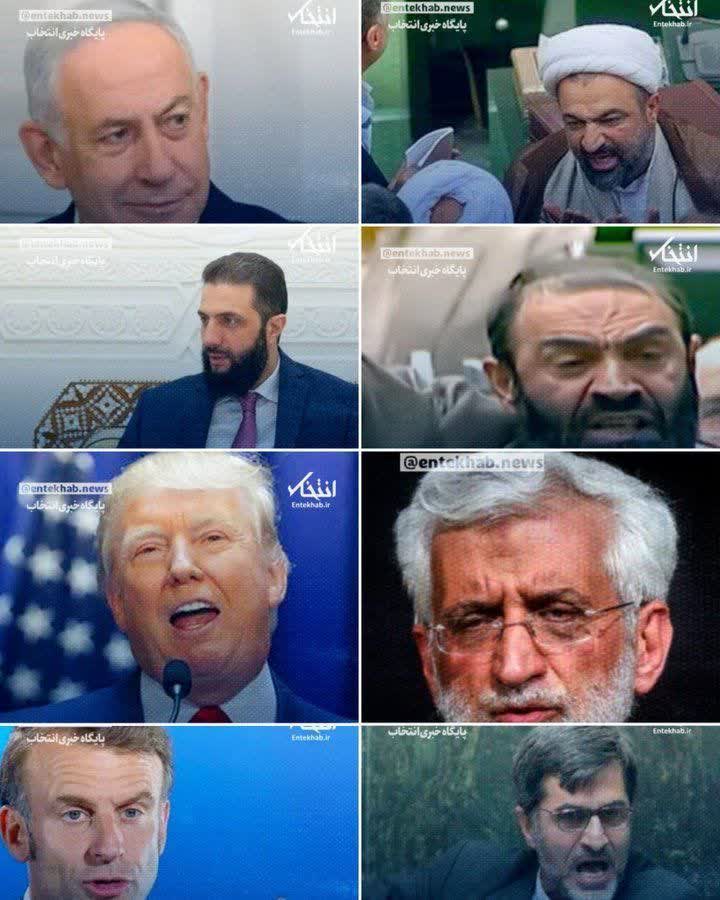
مساله، مساله دو دو تا چهار تاست. مساله، جناح و جناح بازی نیست که تو انتخاب کنی و بگی اگر من امروز طرف نتانیاهو و ترامپ را میگیرم، که تو رو ضعیف و رنجور نشون بدهم. آنکه طرف این دسته شومن ها از غرب رو گرفته، طرف شهوت و خشونت غربی رو گرفته که وقتی فیلم برخورد پلیسش با زن معترض در جمع معترضین رو پخش میکنند میگی نفهمیدم این خشونتش بیشتر بود یا شهوتش!
_____________________________
I have a set of books that I have received from a warehouse somewhere else and with a lot of effort and expense. We opened the books and separated out a cartoon-sized book that included catalogs of electrical circuits and programming languages that were out of date. There were three categories: marketing, three-second methods of increasing income, and religious and medical.
Of the religious and medical books, these were definitely the ones that no one had looked at for a decade or two. We even found one or two intact books among them.
We divided them into two categories and I chose a few to read at hand.
Among these books, one aromatherapy book was interesting to me and I read it overnight. Since this book was mostly a catalog for essential oils, it probably wouldn't have stayed in the previous library for much longer, but for me, who had studied another field and had spent all my money on a bunch of computer catalogs, in the name of computer science, it was more valuable.
I was about to agree that it was a good book until the absence of barberry essential oil, as one of the strategic Iranian products among the essential oils introduced surprised me. I searched for barberry and jujube essential oils. This book was written in 2002 by a newly graduated girl, at the right age to join an Iranian company that aimed to revive traditional medicine. This year is probably the birth year of many young people today.
I searched the Internet for barberry essential oil. Barberry is an important product in our country. After rose essential oil, which was discovered centuries ago, now it is time to discover barberry essential oil. I saw that most sites import it at an exorbitant price, and one said it was not available and to look for similar products!
This essential oil is imported from Germany.
That is, German lovers take all kinds of barberry, saffron, savory, thyme, stinking gold (anguzeh) etc. to Germany in bulk, without even mentioning Iran, then the Germans work on these materials with their machines and maybe later return the essential oil to Iran at an exorbitant price! Barberry essential oil is no longer available in Iran! It has become scarce.
Now, German lovers must not have known that we export so much to that destination, in return for which we get bombs and military movements against our country. Recently, it has been proven that Germany also cooperated militarily in the twelve-day war between Israel and Iran. At first, it sent troops and withdrew as the war intensified. It had something like its previous secret aid, including chemical weapons aid to Iraq against Iran.
German lovers must not have had any idea about the punch that the German police punched in the mouth of a girl protesting the hunger situation in Gaza. I have posted the video of it for you here.
Currently, we not only have sanctions like this abroad from Europe and America, but we also have people in Iran who are still holding on. They are worse than foreign sanctions. For example, I expect our foreign policy to be in the direction of supporting Islamic and humanitarian positions. They send all of Iran’s assets abroad for free in the name of exports; they make the Iranian people poor and insignificant. Then they come and say why are the Iranian people poor? In return, we have money and we have exported! See the newspaper attributed to Zarif, Entebbe, how it has posted photos of America and Israel laughing and celebrating against the weakness of Iranian representatives:
Media Collusion Attributed to Zarif
The issue is a matter of two, two, or four. The issue is not a game of choosing sides and saying, “If I side with Netanyahu and Trump today, I will make you look weak and miserable.” Those who side with this group of showmen from the West, side with Western lust and violence, and when they show the video of the police clashing with a protesting woman in a crowd of protesters, you say, "I don't understand whether it was more violence or lust!"
کرسنت ایران را ضعیف کرد
کرسنت فقط ایران را ضعیف نکرد، بلکه دشمن را به طمع ورزی بیشتر انداخت و برای او راه به اهداف شوم بدتر باز کرد.
دیروز یک مطلبی درباره یک شهروند کانادایی میدیدم که میگفت باورش نمیشه هزینه ها آنقدر بالا رفته که در هفته، یک سالمند فقط یک بار به حمام بره. قبل از آن هم یک ویدئوی دیگه از یک مهاجر ایرانی آنجا دیده بودم که اطرافیانش را تشویق میکرد با روزی فقط یک بستنی قیفی و یک وعده غذا با هزینه های کمتر زندگی را در کانادا بگذرانند.
با این اوصاف وضع کانادا از نظر گردش مالی وضع خوبی نباید داشته باشد.
این در حالی هست که امثال خاوری، مدیرعامل وقت بانک ملی، پول های هنگفت ایرانی ها را ربوده اند و آنجا به باد داده اند.
نتیجه این که منفعت پول دزدی و حرام به کانادا کوتاه مدت بود که امروز میبینیم با اون همه که مال ایرانیان را ربودند، باز هم در بدبختی به سر میبرند
در عین حال، آنها که برای ربودن اموال ایرانیان برنامه ریزی میکنند همچنان در حال ارائه طرح و برنامه اند.
یکی از این طرح ها بازی کردن با قرارداد ضعیف کارشناسی شده کرسنت است.
این قرارداد از اول به نفع ایران بسته نشد و با کش و قوسی که پیدا کرد منجر به خسارات بیشتر بر اموال ایرانیان شد.
ضعف قراردادی و وجود الحاقیه ششم ، کرسنت را به محل بازی طرف مقابل تبدیل کرد که به هیچ عنوان حاضر به همکاری با جمهوری اسلامی ایران نبود
در مدارک ارائه شده به دادگاه گفتند قراردادی میان کرسنت و عباس یزدان پناه منعقد شده است ( شخصیت حقوقی ایکس که در قرارداد «شرکت» نامیده شده) و او مسئولیت بازرگانی گاز مرتبط با میدان سلمان را بر عهده خواهد داشت. این شرکت در جزیره جرسی (یکی از جزایر فرار مالیاتی) ثبت شد و مهم ترین وظیفهاش نهایی کردن ماده ۱۰ قرارداد فروش گاز سلمان به کرسنت بود. در واقع تیم ایرانی باید قیمت را طوری تمام میکرد که بالاتر از قیمت پیشنهادی کرسنت نباشد.
بارها اشاره کردید که قرارداد از اول شل بوده، خب اگر بوده، چرا دولت روحانی این قرارداد شل را فسخ نکرده؟ چرا اجازه داده قراردادی که تا این حد از نظر شما بد بوده، ادامه یابد؟
به گفته کارشناسان اعلام رای متهمان پرونده کرنست توسط قوه قضاییه و مشخص شدن فساد در این قرارداد یکی از راهکارهایی است که میتواند با طرح در یک دادگاه بینالمللی مانع اجرای حکم پرونده کرنست به ضرر ایران شود.
فارغ از مباحث جناحی و حزبی شاید تاکنون کمتر فردی با سوابق بابک زنجانی وجود داشته که ثروتمند شدنش، زندان رفتنش و بازگشت مجددش اینقدر مرموز باشد. برخیها بازگشت مجدد زنجانی را نیاز کشور به وی برای فروش نفت میدانند، اما قوه قضائیه سال گذشته توضیح داد که زنجانی بهدلیل اینکه همه بدهی خود را پس داده، مشمول عفو شده است. بنظر می رسد زنجانی با ۲۵ شرکت برگشته است.
اما این همه ماجرا نیست.
در اوضاع اقتصادی کشور پستی بلندی های زیادی بوده است، اما اینکه سوءاستفاده کنندگان از این شرایط چه برداشت میکنند مهم است.
اگر دشمن از این سواستفاده کنندگان نتیجه بگیرد، (که گرفته) از این ضعف استفاده می کند تا نسل ایرانی ها را بردارد؛ باید برای اوضاع فکری کرد.
در مرحله بعد دشمن (آمریکا و همدستان) با پولهایی که از خودمان دزدیده تجهیزات جنگی آماده می کند. اگر با آنها به حذف فیزیکی ایرانی ها بپردازد چه؟
از دید دشمن تجربه گر اینجا مسأله حل شده است: دیگر شاکی وجود ندارد که شکایت کند.
_____________________
The Crescent not only weakened Iran, but also made the enemy more greedy and paved the way for him to achieve even more sinister goals.
Yesterday, I saw an article about a Canadian citizen who said he couldn't believe that expenses had risen so much that an elderly person could only go to the bathroom once a week. Before that, I had seen another video of an Iranian immigrant there encouraging those around him to live in Canada with only one ice cream cone and one meal a day with lower expenses.
With that said, Canada's situation in terms of financial turnover should not be good.
This is while people like Khavari, the then CEO of Bank Melli, have stolen huge amounts of Iranian money and wasted it there.
The result was that the benefit of stolen and forbidden money to Canada was short-lived, as we see today that all those who stole Iranian property are still in misery.
At the same time, those who plan to steal Iranian property are still presenting plans and programs.
One of these plans is to play with a poorly drafted Crescent contract.
This contract was not concluded in Iran’s favor from the beginning and, with the twists and turns it found, led to further damage to Iranian property.
The weakness of the contract and the existence of the sixth amendment turned Crescent into a playground for the other party, who was not willing to cooperate with the Islamic Republic of Iran in any way.
In the documents submitted to the court, they said that a contract had been concluded between Crescent and Abbas Yazdanpanah (the legal entity X, called the “company” in the contract) and that he would be responsible for the gas trade related to the Salman field. This company was registered in Jersey (one of the tax evasion islands) and its most important task was to finalize Article 10 of the Salman gas sale contract to Crescent. In fact, the Iranian team should have settled the price so that it was not higher than Crescent’s offer.
You have repeatedly mentioned that the contract was Shell from the beginning, so if it was, why didn’t the Rouhani government terminate this Shell contract? Why did it allow a contract that was so bad in your opinion to continue?
According to experts, the announcement of the verdict of the defendants in the Crescent case by the judiciary and the identification of corruption in this contract is one of the solutions that can be presented in an international court to prevent the execution of the Crescent case verdict to the detriment of Iran.
Regardless of factional and partisan discussions, there have probably been few people with Babak Zanjani’s record whose wealth, imprisonment, and return have been so mysterious. Some see Zanjani’s return as the country’s need for him to sell oil, but the judiciary explained last year that Zanjani was pardoned because he had paid off all his debts. It seems that Zanjani returned with 25 companies.
But that’s not all.
There have been many ups and downs in the country's economic situation, but what those who exploit it take from this situation is important.
If the enemy learns from these exploiters that they will use this weakness to take away the Iranian generation, we must think about the situation.
In the next stage, the enemy will prepare war equipment with the money it has stolen from us. What if it uses it to physically eliminate Iranians?
From the perspective of the experienced enemy, the problem has been solved here: there is no longer anyone to complain to.